
Reports that Supreme Leader Ayatollah Ali Khamenei had been killed sparked both celebration and mourning across Iran as Israeli and US strikes reportedly continued. State TV announced Khamenei's death and Tehran declared a 40-day mourning period and seven days of public holidays. Crowds chanted for revenge in some cities while heightened security, closed shops and deserted streets underscored public anxiety. Iranian leaders vowed retaliation as international tensions intensified and many citizens expressed uncertainty about the country's future.
Shock, Jubilation and Fear Across Iran After Reports Say Supreme Leader Khamenei Killed
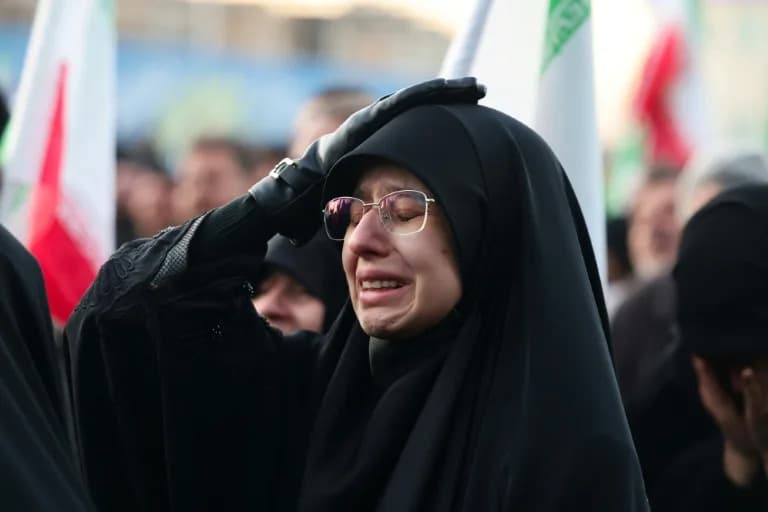
Many Iranians were in mourning over the killing of Ayatollah Ali Khamenei (ATTA KENARE)(ATTA KENARE/AFP/AFP)
Reports that Supreme Leader Ayatollah Ali Khamenei had been killed reverberated across Iran, producing a volatile mix of celebration, grief and anxiety as Israeli and US strikes reportedly continued into a second day.
Public Reactions
When initial reports of Khamenei's death spread, residents in Tehran reacted in contrasting ways: some cheered from apartment balconies and blasted car horns, while others gathered in the streets to mourn. Several people interviewed by AFP declined to give full names, reflecting a persistent wariness about speaking publicly about Iran's leadership.
"Last night... people in all neighbourhoods shouted for joy and took to the streets. This joy was while we were in the middle of a missile war," said a Tehran resident in her 30s, who accused Khamenei of being "stained with blood" and cited past crackdowns on protests.
Others were stunned and silent. "I am in shock. I cannot believe what happened," a Tehran resident in his 30s told AFP.
Official Announcements and Mourning
Iranian state TV announced Khamenei's death in the early hours and said he had "fulfilled his lifelong dream" of martyrdom. Authorities declared a 40-day mourning period and seven days of public holidays. Within hours, mourners dressed in black assembled in Tehran's Enghelab Square and in cities including Shiraz, Yazd, Isfahan and Tabriz, carrying portraits, religious banners and the national flag.
Security and Daily Life
Heightened security measures and an atmosphere of caution followed the reports. Many central districts in Tehran were deserted at dawn, shops remained shuttered, streetlights on major roads were turned off, and police checkpoints and patrols appeared increased compared with last year’s 12-day conflict. Some residents left the capital; at border crossings such as Islam Qala, reporters observed flags lowered to half-mast and black banners raised, though crossings remained open.
Political Response and Tensions
Iranian leaders responded with defiant rhetoric. President Masoud Pezeshkian described the event as a "declaration of war" against Muslims and Shiites, while security chief Ali Larijani warned of retaliation against Israel and the United States. Meanwhile, US President Donald Trump warned of "force that has never been seen before" and urged Iranians to seize power, escalating an already tense international atmosphere.
Some Iranians expressed fear about the future and skepticism that the incident would bring systemic change. "Just the names will change, but I think the regime will stay on," a Tehran native returning through the Razi-Kapikoy crossing into Turkey told AFP.
The situation remains fluid, with the potential for further military and political developments. Many citizens are anxious, travel and commerce have been disrupted in places, and both domestic and international responses will shape what follows.
Help us improve.





















