
The EU's 27 member states urged "maximum restraint" and full respect for international law after a series of strikes exchanged between Iran, the United States and Israel. The statement, issued by Kaja Kallas, demanded protection of civilians and warned against indiscriminate military action. EU ministers also expressed economic concerns, including the risk of disruptions to oil flows and the Strait of Hormuz, while acknowledging internal divisions and limited short-term leverage.
EU Calls for 'Maximum Restraint' and Protection of Civilians After Iran Escalation
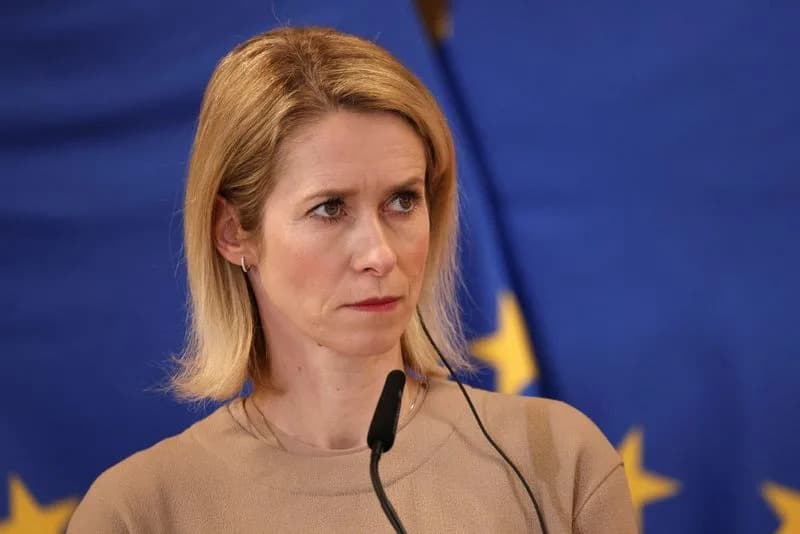
FILE PHOTO: European Union High Representative for Foreign Affairs and Security Policy and European Commission Vice-President Kaja Kallas attends a press conference in Krakow, Poland, February 20, 2026. REUTERS/Kuba Stezycki/File Photo
BRUSSELS, March 1 — The European Union's 27 member states on Sunday urged "maximum restraint" and full respect for international law in response to a recent wave of strikes exchanged between Iran, the United States and Israel, EU foreign policy chief Kaja Kallas said in a joint statement.
What the EU Said
The statement, issued by Kaja Kallas on behalf of all EU members, called for the protection of civilians and strict adherence to international law, including the UN Charter and international humanitarian law.
“We call for maximum restraint, protection of civilians and full respect of international law, including the principles of the United Nations Charter, and international humanitarian law,” the EU declaration said.
Concerns Over Regional Escalation and Economic Impact
The emergency statement followed a video conference of EU foreign ministers convened after the United States and Israel carried out strikes on Iran and Tehran responded with attacks that targeted Israel, U.S. forces and other Gulf countries. The EU described Iran's attacks as violations of the sovereignty of several countries and warned Tehran to refrain from indiscriminate military strikes.
Officials also highlighted economic risks, urging that the conflict must not escalate in ways that could threaten the Middle East, Europe and beyond. The statement warned that disruptions to oil deliveries, supply chains and critical waterways such as the Strait of Hormuz must be avoided because of their potential global repercussions.
Political Divisions and Limited Leverage
The wording reflected a compromise among EU members with differing views on military steps taken by the United States and Israel. German Chancellor Friedrich Merz said it was not the time to lecture partners and allies, while Spanish Prime Minister Pedro Sanchez publicly rejected the U.S. and Israeli strikes, saying they contribute to a more uncertain and hostile international order.
Behind the scenes, diplomats acknowledged Europe's limited short-term influence over the unfolding events. One Western European official said, "Not too many options, I am afraid. Certainly not short-term," and an EU diplomat added that Europeans were effectively "just bystanders" with little leverage over Washington.
The EU called for de-escalation and diplomatic engagement to protect civilians and global economic stability as the situation continued to develop.
Help us improve.





















