
The Associated Press has started calling the joint U.S.-Israeli strikes on Iran and Iran’s retaliatory attacks a “war”, citing the scale, intensity and state-on-state nature of the fighting. Reports say the strikes allegedly killed Supreme Leader Ayatollah Ali Khamenei, prompting missiles and drones to be launched at Israel and Gulf states hosting U.S. forces. AP editors say the situation meets standard definitions of war and point to precedent in Russia-Ukraine and Israel-Hamas coverage.
Why AP Is Calling the U.S.-Israeli Strikes on Iran — and Iran’s Retaliation — a “War”
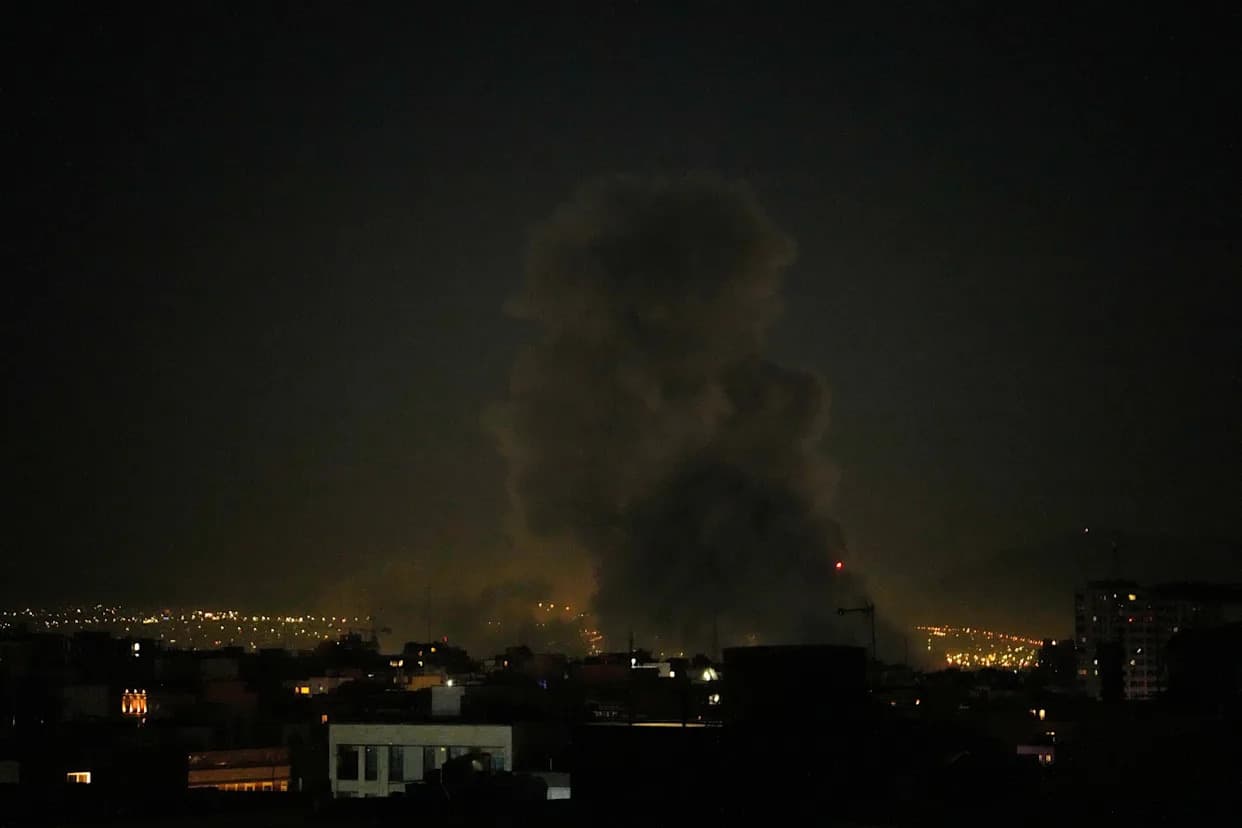
A plume of smoke rises after a strike in Tehran, Iran, Sunday, March 1, 2026. (AP Photo/Vahid Salemi)(ASSOCIATED PRESS)
The Associated Press has begun using the word “war” to describe the joint U.S.-Israeli strikes on Iran and Iran’s subsequent retaliation, reflecting the scale and intensity of the fighting and its regional implications.
What Happened
U.S. and Israeli forces struck significant Iranian military targets. According to some reports, the strikes killed Supreme Leader Ayatollah Ali Khamenei and other senior officials; those reports remain subject to independent confirmation. Iran responded with missile and drone attacks on Israel and on Gulf Arab states that host U.S. forces. Surviving Iranian leaders have publicly vowed retaliation, and U.S. President Donald Trump has repeatedly referred to the situation as a war and called for political changes in Iran.
Why AP Uses the Word “War”
AP editors say the combination of sustained, state-on-state attacks and counterattacks meets common dictionary and editorial criteria for labeling a conflict a war. AP cites broad definitions such as Merriam-Webster’s — “a state of usually open and declared armed hostile conflict between states or nations” — and weighs factors including the number of casualties, intensity and duration of fighting, the level of each party’s involvement and how governments describe the dispute.
Editorial note: AP’s style is to capitalize war only when it is part of a formal name; no formal name for this conflict currently exists.
Precedent and Timing
AP applied similar judgment calls in previous conflicts — notably Russia’s invasion of Ukraine and the Israel-Hamas war — typically adopting the term “war” in the days or weeks after major hostilities began. In this case, AP issued guidance after Israel’s June 2025 attacks and began using the term in the days following Iran’s retaliation; that confrontation lasted 12 days, during which AP said U.S. and Israeli strikes substantially degraded Iran’s air defenses, military leadership and nuclear program.
Ongoing Assessment
Decisions about whether to call a situation a war are made in real time. AP news leaders and standards editors say they will continue to monitor developments and update guidance if circumstances change. Given the current level of combat, AP judges the parties involved to be at war; if fighting ends quickly, AP would still report that the nations had been at war during the period of hostilities.
Note on reporting: Where claims remain contested—such as reports of Khamenei’s death—AP and other reputable outlets seek independent confirmation before treating them as established fact.
Help us improve.





















