
House Republicans and industry groups are pushing back against Health Secretary Robert F. Kennedy Jr.'s initiative to bar SNAP recipients from buying sugary drinks and candy, saying enforcement will raise grocery prices and complicate retail operations. Eighteen states have filed waivers to restrict such purchases; only Colorado and Hawaii are led by Democrats. Trade groups estimate roughly $1.6 billion in upfront costs, and anti-hunger advocates warn some stores might stop accepting SNAP, further limiting access for more than 42 million beneficiaries.
GOP Lawmaker: RFK Jr.'s Push To Block Sugary SNAP Purchases Could Raise Grocery Prices

Samuel Corum / Samuel Corum/Getty Images
A senior House Republican is sharply criticizing Health Secretary Robert F. Kennedy Jr.'s "Make America Healthy Again" campaign, arguing that efforts to restrict SNAP purchases of sugary drinks and candy will increase costs for consumers and create logistical burdens for retailers.
Earlier this year, Kennedy and Agriculture Secretary Brooke Rollins urged states to submit waivers to prohibit purchases of certain unhealthy foods and beverages with Supplemental Nutrition Assistance Program (SNAP) benefits. On Wednesday, Rollins announced that 18 states have filed such waivers seeking to ban soda, energy drinks and candy from SNAP-eligible purchases.
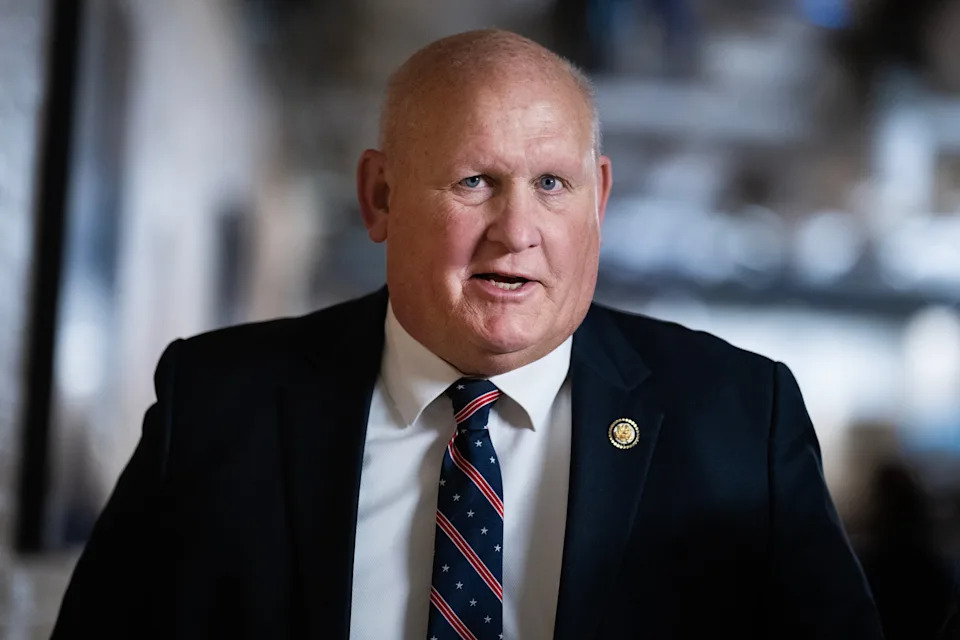
GOP Rep. Glenn Thompson said the states that are embracing Health Secretary Robert F. Kennedy Jr.’s SNAP food ban proposal may not know what they are “getting themselves into.” / Tom Williams/Getty Images
GOP Concerns Over Costs And Complexity
“I think it’s going to drive up the cost of food because of compliance, because all these states are going to have different standards, different labeling standards,” House Agriculture Committee Chair Glenn Thompson told HuffPost.
Thompson, a Pennsylvania Republican who has long opposed a SNAP food ban, warned governors may be underestimating the implementation challenges. “These governors, I think, are wading in in a way that I’m not sure they know what they’re getting themselves into,” he said. “I think the market is really responding to consumer needs. There’s far less sweeteners being used in beverages and snack foods and different things like that. So, I think they’re going to make this so complex for retailers to be able to administer.”
Costs, Coverage And Access Risks
Industry groups contend that enforcing the bans would require costly point-of-sale and inventory-system upgrades. A coalition analysis commissioned in September by the Food Industry Association, the National Association of Convenience Stores and the National Grocers Association estimated roughly $1.6 billion in upfront implementation costs — some of which could be passed on to shoppers through higher prices.
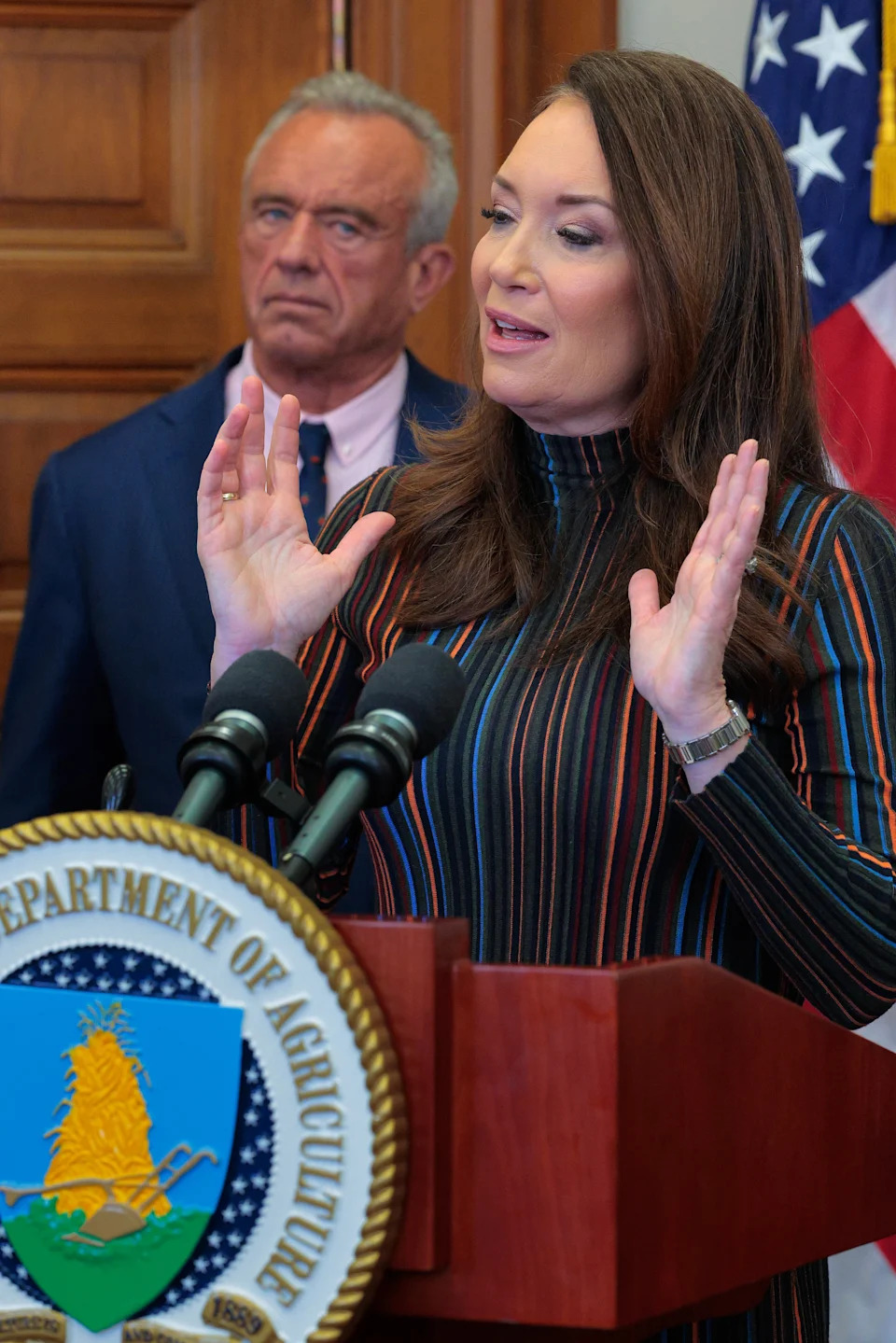
“Each waiver submitted by the states and signed is yet another step closer to fulfilling President Trump’s promise to Make America Healthy Again,” Secretary Brooke Rollins said on Wednesday. / Chip Somodevilla/Getty Images
Advocates at the Food Research & Action Center (FRAC), an anti-hunger organization, also warn that some retailers might stop accepting SNAP rather than invest in new systems — a move that would create a “significant” and “costly barrier” for program participants. More than 42 million Americans rely on SNAP benefits.
Political And Public Context
Of the states that have filed or had waivers approved so far, only Colorado and Hawaii are governed by Democrats; the remainder are led by Republican governors. Kennedy praised the governors who acted, calling their stance an “unwavering commitment to Make America Healthy Again” and urging every governor to submit a waiver to eliminate sugary drinks from SNAP purchases. He said taxpayer dollars should not bankroll products that contribute to the chronic disease epidemic.
The debate comes as many Americans report feeling squeezed by rising prices: inflation remains near 3 percent, a key political concern as President Donald Trump faces scrutiny over affordability issues in his polling. The Daily Beast has reached out to the Department of Health and Human Services and the Department of Agriculture for comment.


