
After U.S. forces captured Nicolás Maduro in Caracas, U.S. Senator Marco Rubio vowed to remove Hezbollah and Iranian operations from Venezuela. Analysts say Hezbollah's presence in Venezuela dates to the mid-1980s and expanded under Hugo Chávez, with reported logistics hubs in Caracas and Margarita Island. Experts warn that dismantling these networks will depend on the composition of any post-Maduro government and likely require sustained involvement from U.S. intelligence and counterterrorism agencies.
Rubio Vows To Expel Hezbollah And Iranian Networks From Venezuela After Maduro's Capture

Hezbollah members salute and raise the group's flags during the funeral for comrades killed in an Israeli strike on their vehicles, in south Lebanon, on April 17, 2024.
The day after U.S. forces captured Nicolás Maduro in Caracas, U.S. Senator Marco Rubio pledged to remove Hezbollah and other Iran-backed networks from Venezuela. Rubio described the groups as a major security threat in the Western Hemisphere and said Washington would not tolerate a Venezuelan state acting as a staging ground for malign foreign influence.
Rubio's Statement
Speaking on CBS' Face the Nation, Rubio declared:
"It's very simple, OK? In the 21st century, under the Trump administration, we are not going to have a country like Venezuela in our own hemisphere, in the sphere of control and the crossroads for Hezbollah, for Iran and for every other malign influence in the world. That's just not gonna exist."He reiterated on NBC's Meet the Press that the aim was clear: No more Iran/Hezbollah presence there.
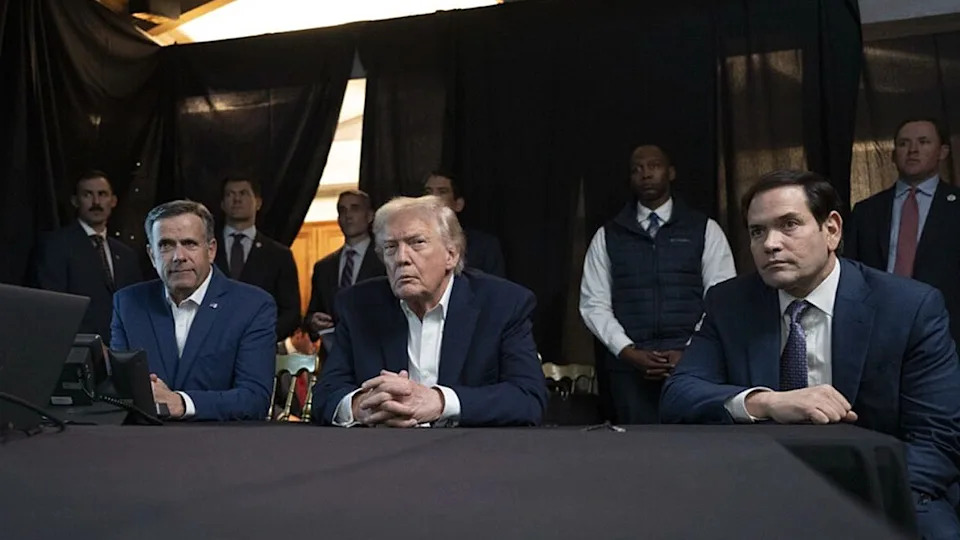
Trump monitors mission to capture Maduro from a secure location at his Mar-a-Lago estate. CIA Director John Ratcliffe, left, and Secretary of State Marco Rubio, right, sit beside him.
Background On Hezbollah's Presence
Analysts cited in reporting say Hezbollah has longstanding ties in Venezuela that date back decades. Security analyst Walid Phares told Fox News Digital that Hezbollah began cultivating a presence in the mid-1980s by recruiting from the local Lebanese diaspora and expanded after the consolidation of power by the late Venezuelan president Hugo Chávez in the early 2000s. Public reporting has tied the group to financial networks, passport fraud, and alleged narcotics trafficking across Latin America.
Reported Hubs And Activities
Phares and others identified Caracas as a command-and-control center and frequently point to Margarita Island as a logistical hub used for financial operations, intelligence collection and, in some reports, drug-related activity. Observers have also alleged cooperation between Venezuelan authorities and Iran- and Hezbollah-linked operatives in campaigns targeting Iranian dissidents abroad.
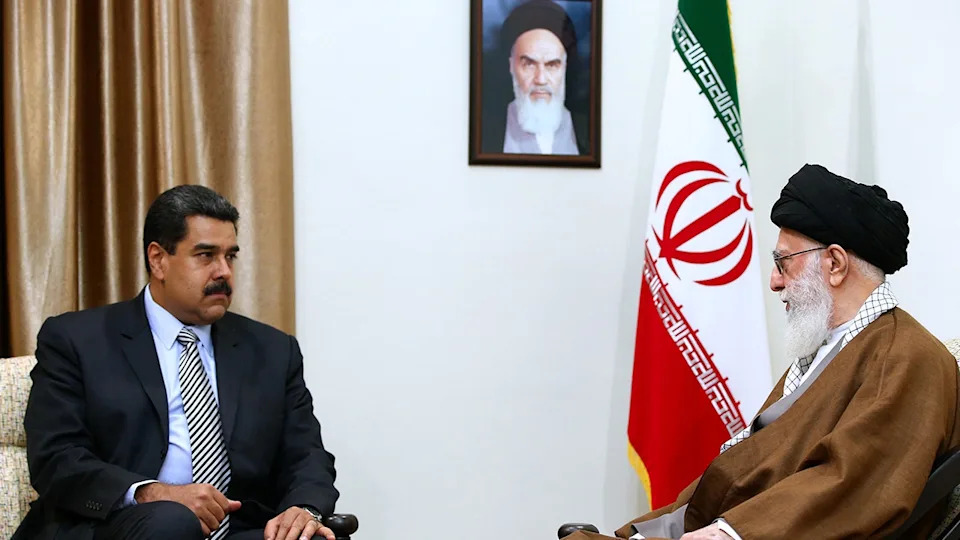
Venezuelan President Nicolas Maduro (L) meets the Supreme Leader of Iran, Ali Khamenei during his visit in Tehran, Iran on Oct. 22, 2016.
Responses And Next Steps
Hezbollah condemned the U.S. operation and expressed solidarity with Venezuela in a statement calling the action "terrorist aggression and American thuggery against the Bolivarian Republic of Venezuela."
Hezbollah statement: "We condemn the terrorist aggression and American thuggery against the Bolivarian Republic of Venezuela"
Experts say uprooting entrenched networks will be complex. Walid Phares suggested a post-Maduro transitional authority committed to dismantling terrorist networks would be one path, but he said U.S. intelligence and counterterrorism agencies would likely play a central role in identifying and disrupting pro-Iranian networks operating on Venezuelan soil.
Matthew Levitt of the Washington Institute emphasized that the ultimate success of any effort will hinge on the nature of the government that follows Maduro. Carrie Filipetti, former deputy assistant secretary of state and now executive director of the Vandenberg Coalition, noted allegations that the Maduro era provided safe haven for Hezbollah operatives, enabling money laundering tied to the drug trade and the acquisition of Venezuelan passports.
What Comes Next
Officials and analysts frame Maduro's capture as a potential turning point, but they warn that the outcome depends on whether a successor government cooperates with efforts to purge foreign malign actors and how extensively U.S. agencies are authorized to act. The path forward is likely to combine local political change with sustained international intelligence and law enforcement work.
Help us improve.


