
Sir Keir Starmer has joined 26 other Council of Europe members seeking updates to the 75‑year‑old ECHR to address people‑smuggling and security concerns. The UK seeks legal guarantees that new migration laws will not be routinely struck down under the convention rather than a full rewrite, which could take years. Critics warn the approach risks repeating David Cameron’s pre‑Brexit mistake of securing symbolic concessions that failed to satisfy hardline critics and voters.
Starmer’s Push To Reform The ECHR Risks Repeating Cameron’s Brexit Mistakes
Dec 11

Sir Keir Starmer has called for a tougher approach to policing Europe’s borders ahead of a meeting between European leaders - Sean Gallup/Getty Images
Sir Keir Starmer’s bid to secure changes to the European Convention on Human Rights (ECHR) has drawn fresh comparisons with David Cameron’s pre‑Brexit negotiations — and not always in a flattering light. The UK has joined 26 other Council of Europe members (27 in total) calling for updates to the 75‑year‑old treaty to address modern challenges such as people‑smuggling and national security.
Supporters argue that failing to modernise the convention risks eroding public confidence in human rights protections. The government, however, is not seeking an outright rewrite of the ECHR — a process that could take years — but rather legal guarantees that new domestic migration laws will be interpreted in a way that avoids routine clashes with the convention and subsequent legal challenges in British courts.
Reforms could include clearer judicial guidance on how rules on family life, the prohibition on torture, and return agreements with countries of origin apply to deportations and asylum cases. Some measures to allow UK judges a firmer approach on migration issues could be introduced as soon as May, officials say.
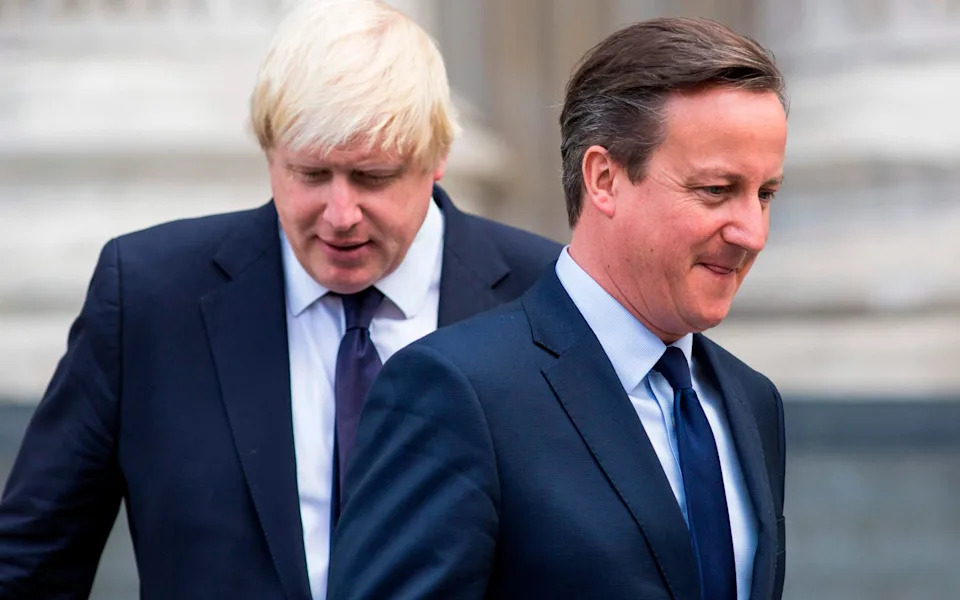
Lord Cameron (right) and Boris Johnson (left) played central, yet opposing, roles in the Brexit saga - Jack Taylor/Getty Images
Why the Cameron Comparison Matters
The strategy is pragmatic in legal terms but politically risky. Critics point to David Cameron’s 2016 attempt to win renegotiated EU concessions: a deal heavy on language but short on legally enforceable changes that ultimately failed to satisfy hardline critics and voters. That miscalculation helped feed the momentum for Brexit — and ended Mr Cameron’s premiership.
Ministers now face a similar dilemma: pursue incremental, technically sound concessions that may look weak to sceptical voters and opponents, or demand a lengthy treaty rewrite that could be slow and uncertain. The UK delegation at a recent Strasbourg meeting included the Deputy Prime Minister, David Lammy, and the Attorney General. Justice ministers from all 46 Council of Europe states attended the summit.
Results From Strasbourg — So Far
The summit produced broadly worded outcomes: a commitment to draft a recommendation on tackling people‑smuggling and a political declaration reaffirming member states’ commitment to the ECHR. For now, critics warn this risks being dismissed as "talks about talks" unless concrete, enforceable guarantees follow.

The 27 states demanded substantive changes to ensure rules did not stop Rwanda-style deals with other countries - Dan Kitwood/Getty Images
Britain has allied with anti‑migrant governments such as Italy and Denmark in seeking tougher safeguards to "stop the boats" and blunt the appeal of populist figures. France and Germany, however, have not signed up to the more hardline position led by the 27 states.
Political Stakes
If the May review produces a compromise perceived as a fudge, opponents — including some Conservatives and Reform Party figures who favour leaving the ECHR — are likely to renew calls for withdrawal. Even a substantive overhaul might not satisfy hardline critics within the UK political right. Shadow figures have already compared the effort to Mr Cameron’s failed renegotiation.
Alain Berset, secretary‑general of the Council of Europe, has called the ECHR a "living instrument" that can adapt to new circumstances, while resisting a binary answer on whether a rewrite is necessary. He also rejected simplistic Brexit comparisons and said Strasbourg judges are aware of modern migration challenges.
There are important differences with the Brexit saga: the UK is not acting alone, and the Council of Europe is a distinct body from the EU. Still, any assurances that arrive must be convincing and legally robust. If negotiators return with language rather than enforceable change, critics will use the failure to extract real reform as a political weapon against Sir Keir in the run‑up to the next election.
The lessons of 2016 should be a clear warning: symbolic concessions can be politically fatal if they fail to satisfy sceptics. For now, the fate of Starmer’s ECHR push will depend on whether negotiators can turn political statements into binding, practical safeguards.


