
The NTSB has warned that a provision in the pending NDAA could increase the risk of another deadly mid‑air collision near Washington, D.C., by permitting military aircraft to rely on TCAS without requiring ADS‑B broadcasting. NTSB Chair Jennifer Homendy called the change a “significant safety setback,” saying ADS‑B offers superior situational awareness and that TCAS alone failed to prevent the January crash that killed 67 people. Lawmakers argue the language sets a safety baseline and restricts exemptions, and any final decision will consider the NTSB’s forthcoming report.
NTSB Warns NDAA Aviation Language Could Increase Risk Of Another Deadly Mid‑Air Collision Near D.C.

Another Deadly Plane Collision Could Occur in D.C., Safety Official Warns, in Fight with Lawmakers Over Pending Bill
The National Transportation Safety Board has warned that a provision in the pending National Defense Authorization Act (NDAA) could raise the risk of another catastrophic mid‑air collision near Washington, D.C., if enacted.
NTSB Chair Jennifer Homendy told reporters on Dec. 10 that the proposed change represents “a significant safety setback,” arguing that it would effectively roll back a key reform the military had agreed to adopt after a fatal January collision. Lawmakers backing the provision say their language establishes minimum safety standards and limits exemptions for military flights, and that they intend to refine the approach once the NTSB releases its final report.
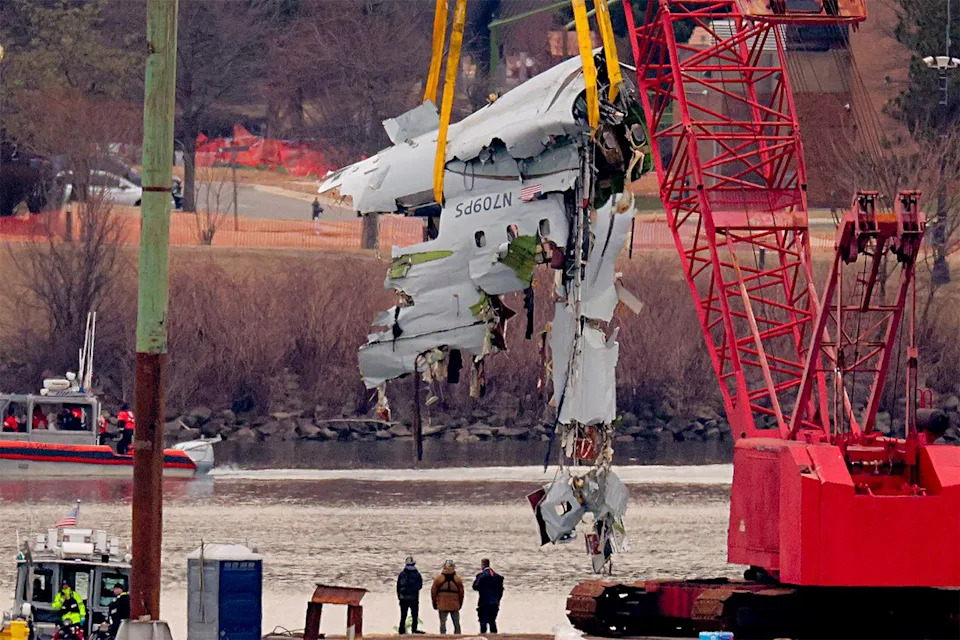
Chip Somodevilla/GettyAftermath of the January plane crash outside Washington, D.C.
In January, an Army Black Hawk helicopter collided with an American Airlines passenger jet just outside Ronald Reagan Washington National Airport, killing all 67 people aboard both aircraft. The NTSB’s ongoing investigation has identified multiple problems in airspace management and a chain of human and procedural errors that contributed to the disaster.
What The NDAA Language Would Change
Under the bill’s language, certain military aircraft operating in the congested D.C. corridor would be required to use TCAS (Traffic Alert and Collision Avoidance System). However, the provision would not mandate ADS‑B (Automatic Dependent Surveillance–Broadcast), a position‑broadcasting technology the military had agreed to implement after the crash and which was not active on the Black Hawk involved in January’s accident.
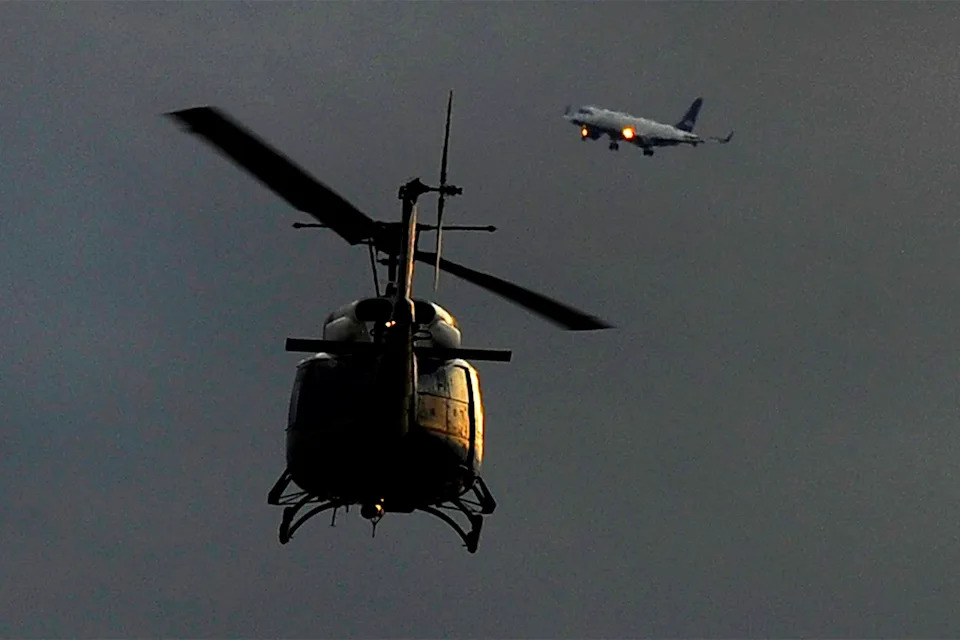
Michael S. Williamson/The Washington Post via GettyA Marine One chopper cruises the Potomac as a plane is on final descent to Ronald Reagan Washington National Airport
Homendy’s view: ADS‑B provides continuous broadcast position and altitude data that improves situational awareness for both controllers and nearby aircraft. Relying on TCAS alone is problematic, she said, because TCAS did not prevent the January collision.
Supporters’ Position And The Waiver Process
Supporters of the NDAA language, including leaders of the House and Senate Armed Services Committees, say the provision sets a legislative minimum that will reduce the number of military flights that avoid broadcasting their positions. They note the bill includes narrow exemptions and a waiver process intended for genuine national‑security cases.
According to a committee aide, any TCAS waiver would require agreement from both the Secretary of the relevant military department and the Secretary of Transportation — a high threshold designed to limit exemptions. Still, Homendy has criticized the waiver and risk‑assessment provisions as insufficient, saying in a letter that military departments "do not ... understand the complexities of the DC airspace, how to conduct a thorough safety risk assessment, or implement appropriate mitigations to ensure safety for all."
What’s Next
The NDAA passed the House this week, though some senators have urged removing the D.C. aviation language. The bill is broadly considered must‑pass legislation because it includes military pay and other priorities, so Congress and the White House are expected to resolve differences before the year‑end recess.
The NTSB’s final report on the January collision is pending and expected soon; lawmakers say they will consider the investigation’s findings in refining any statutory language. Meanwhile, the debate highlights a central tension: how to balance operational military needs and national security with safeguards required to protect commercial passengers, service members, flight crews and communities under busy flight paths.


