Sept. 23 highlights span exploration, science, culture and geopolitics: Lewis and Clark returned to St. Louis in 1806 with help from Sacagawea; Johann Gottfried Galle discovered Neptune in 1846; and Gaston Leroux published The Phantom of the Opera in 1909. In 1950, Congress passed the Internal Security (McCarran) Act, parts of which were later struck down by the courts. Recent tragic events noted include a 2005 Hurricane Rita evacuation bus fire and reported heavy casualties from 2024 cross-border military actions involving Israel and Lebanon.
On This Day — Sept. 23: Lewis & Clark Return, Neptune Discovered, McCarran Act Passed
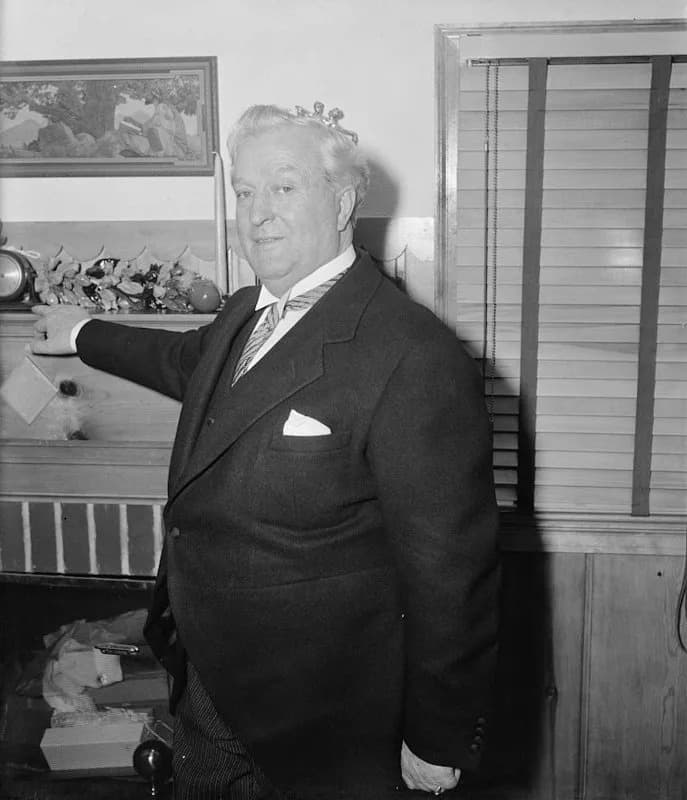
On September 23, 1950, the U.S. Congress adopted the Internal Security Act, which provided for the registration of communists. The legislation was also known as the McCarran Act, named after the bill's primary sponsor, Sen. Pat McCarran, D-Nev. File Photo courtesy of Harris & Ewing/Library of Congress
Sept. 23 — A look back at notable events that occurred on this date across history.

Composer Andrew Lloyd Webber takes part in curtain call ceremonies on January 9, 2006, at New York's Majestic Theatre to mark that "Phantom of the Opera" has become the longest running musical show in Broadway history with it's 7,486th performance. File Photo by Ezio Petersen/UPI
1806: Explorers Meriwether Lewis and William Clark returned to St. Louis after completing their expedition from the Mississippi River to the Pacific Coast and back. The pair received translation and diplomatic assistance from Shoshone woman Sacagawea during the more-than-two-year journey.
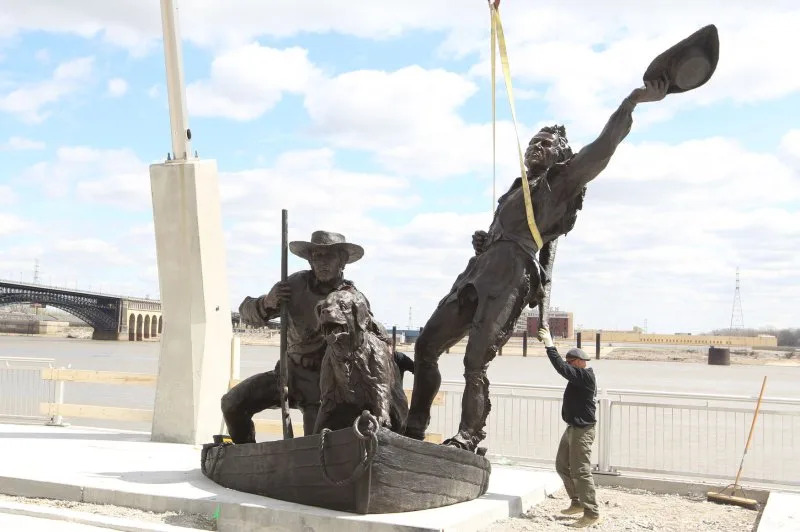
Worker Vlad Zhiromirsky of MW Weber Architects, lines up the Lewis and Clark statue as it is lowered into place on Lenore K. Sullivan Street near the Gateway Arch in St. Louis on April 1, 2016. On September 23, 1806, U.S. explorers Meriwether Lewis and William Clark returned to St. Louis on their historic journey from the Mississippi River to the Pacific Coast and back. File Photo by Bill Greenblatt/UPI
1846: German astronomer Johann Gottfried Galle identified the planet Neptune at the Berlin Observatory. Later spacecraft imagery, including Voyager 2's 1996 false-color images, helped scientists study Neptune's atmosphere and appearance in greater detail.
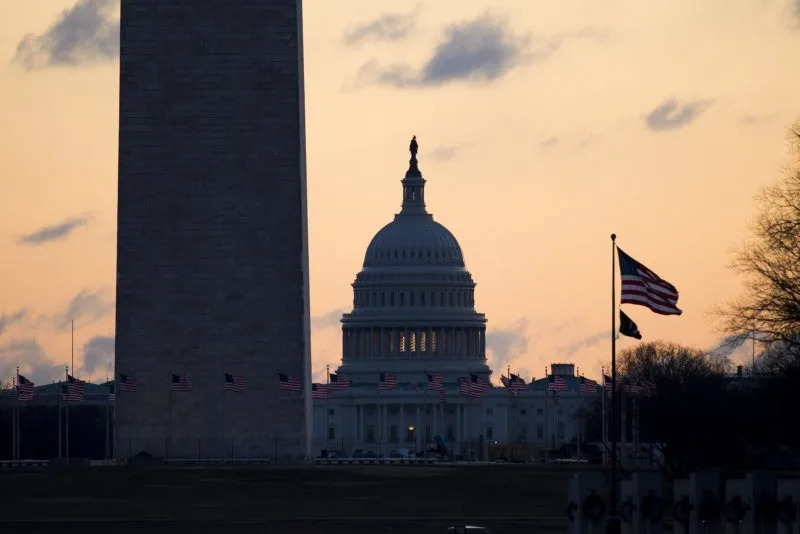
On September 23, 1950, the U.S. Congress adopted the Internal Security Act, which provided for the registration of communists. File Photo by Kevin Dietsch/UPI
1909: Gaston Leroux's novel The Phantom of the Opera was published, later inspiring numerous stage and screen adaptations.

File Photo by David Yee/UPI
1950: The U.S. Congress passed the Internal Security Act, commonly known as the McCarran Act, which required registration of certain members of the Communist Party and included other national security provisions. Many of the act’s provisions were later challenged in court, and some were struck down by the U.S. Supreme Court.
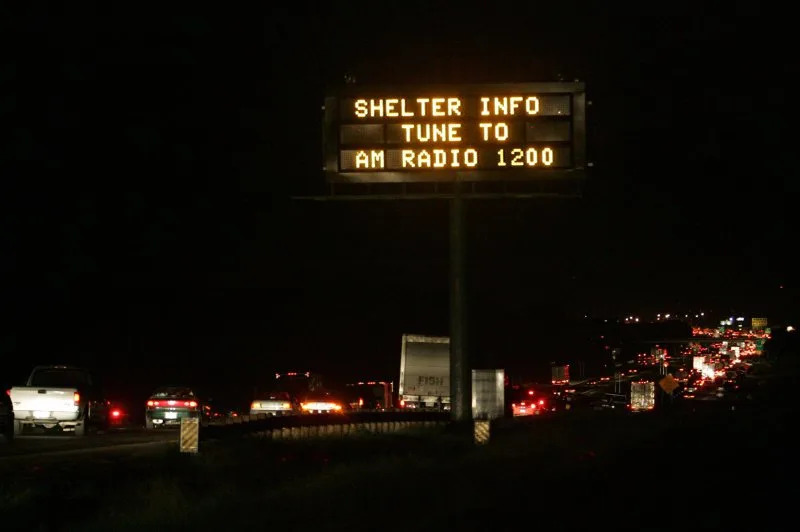
Hurricane Rita evacuees move away from the Texas Gulf on Interstate 10 outside of Houston early on September 23, 2005. Later that day, a fire killed 23 people on a bus carrying Texas nursing home evacuees inland. File Photo by Chris Carson/UPI
1959: Soviet Premier Nikita Khrushchev visited Iowa cornfields to learn about American agriculture and famously urged that the earth "be furrowed by plows, not rockets and tanks."
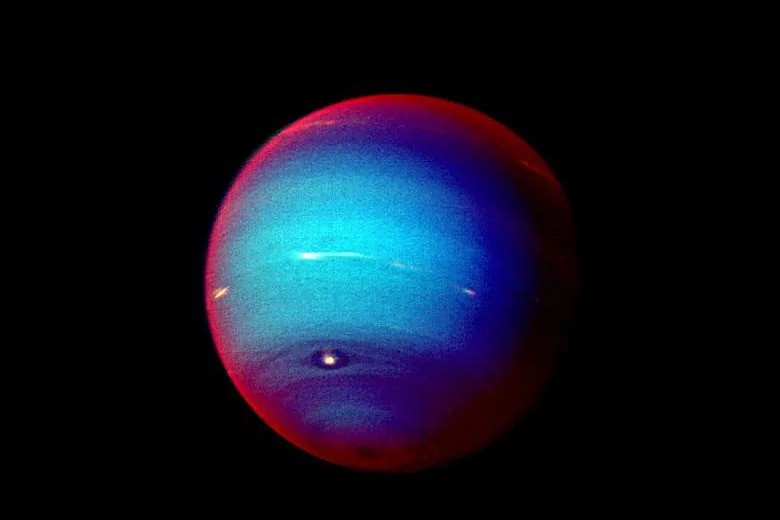
This false color photograph of Neptune was made from Voyager 2 images taken in January 1996. On September 23, 1846, German astronomer Johann Gottfried Galle discovered the planet Neptune at the Berlin Observatory. Neptune generally is the eighth planet from the sun. File Photo courtesy of NASA
1966: A Rolling Stones concert at London's Royal Albert Hall was temporarily halted when screaming fans rushed the stage and attacked Mick Jagger. The incident contributed to a temporary ban on pop concerts at the venue.
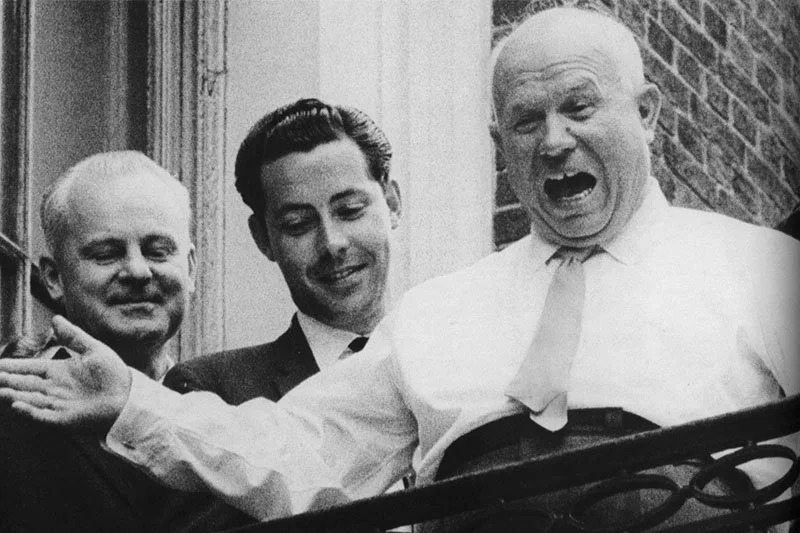
Soviet Premier Nikita Khrushchev shouts "This is my America" at a New York cabbie from his window at the Russian U.N. delegation's headquarters during the 1960 United Nations General Assembly. On September 23, 1959, Khrushchev visited the corn fields of Iowa to find out what made the American farmer tick and urged that the earth "be furrowed by plows, not rockets and tanks." File Photo by Gary Haynes/UPI
1973: Juan Perón was elected president of Argentina after 18 years in exile. Isabel Perón, his vice president and second wife, succeeded him after his death less than a year into his term.

File Photo by Abir Sultan/EPA-EFE
1991: Forty-four United Nations inspectors were detained in Baghdad after attempting to remove documents related to Iraq's weapons programs. The inspectors were released five days later.
2005: During mass evacuations ahead of Hurricane Rita, a fire on a bus carrying nursing home evacuees in Texas killed 23 people. Earlier that day, thousands of evacuees were moving inland along Interstate 10 outside Houston.
2008: A 22-year-old student opened fire at a vocational college in Kauhajoki, Finland (about 205 miles north of Helsinki), killing 11 students before taking his own life.
2024: Israeli airborne operations into Lebanon were reported by regional media and authorities to have resulted in heavy casualties, with nearly 500 people killed and thousands injured. Casualty figures and details remain subject to ongoing verification and reporting.
Note: This compilation summarizes widely reported historical events for Sept. 23. Some details—particularly for recent or contested incidents—are based on media and official reports and may evolve as more information becomes available.
Help us improve.