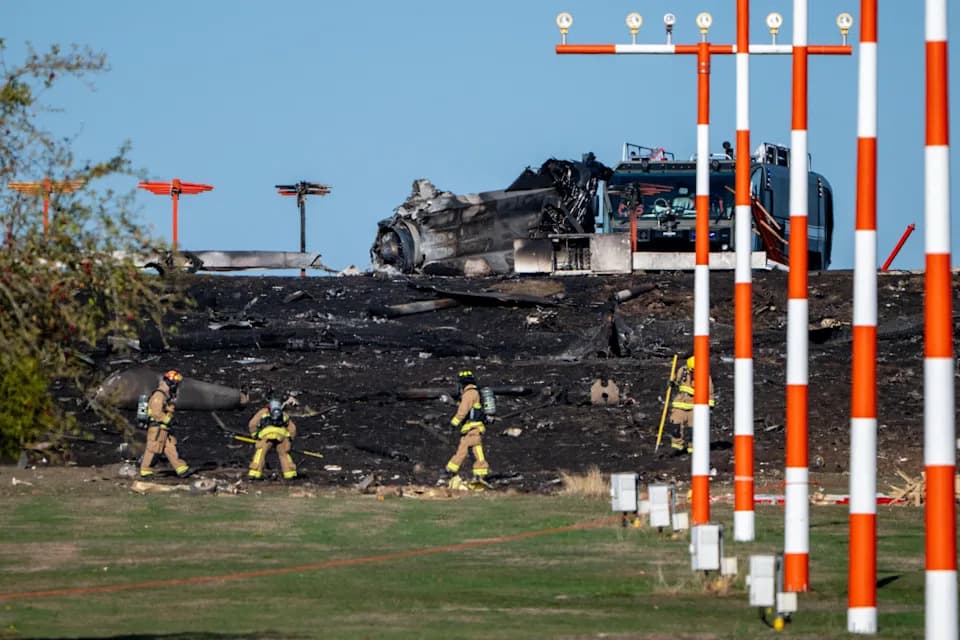
An Air Combat Command probe found that misaligned variable vanes inside an F-16C's engine compressor caused vibratory stresses that led to two fan blades breaking, triggering catastrophic engine failure. The unnamed Thunderbirds pilot ejected on Dec. 3 near Trona, Calif., suffered minor injuries, and the $33.4 million aircraft was destroyed. Investigators warned such core damage can go undetected until scheduled overhauls and noted similar blade fractures in the same engine type.
Air Combat Command: Misaligned Vanes, Broken Fan Blades Blamed For F-16C Crash Near Trona
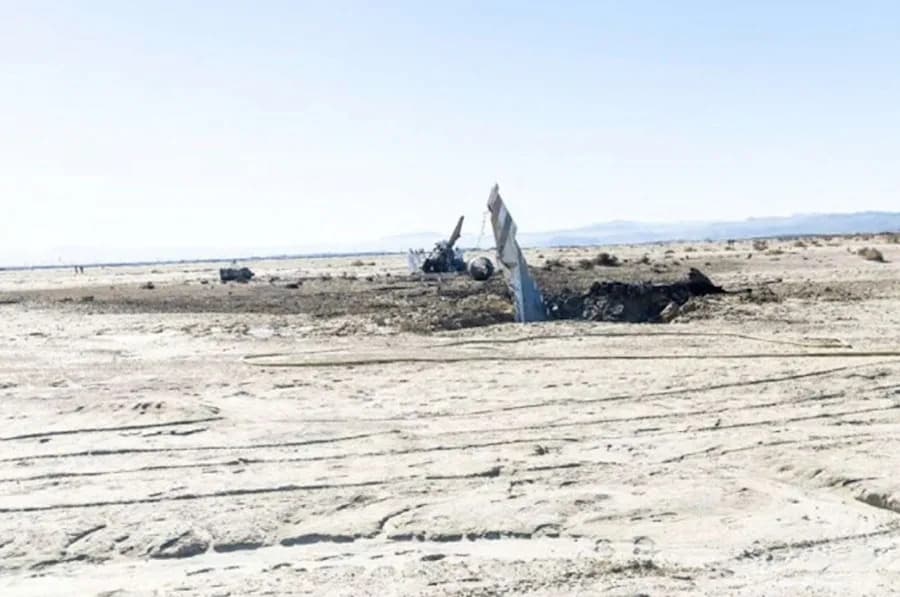
An Air Combat Command investigation concluded that broken fan blades caused the engine failure that forced a Thunderbirds pilot to eject from an F-16C Falcon during a low-altitude training flight in California on Dec. 3. The unnamed pilot sustained minor injuries; the $33.4 million aircraft was destroyed on impact.
Investigation Findings
The report attributes the mishap to "misaligned, or turned, variable vanes" inside the engine's compressor. Those misaligned vanes produced vibratory stresses that led to the separation of two compressor blades, producing what investigators described as "catastrophic engine damage."
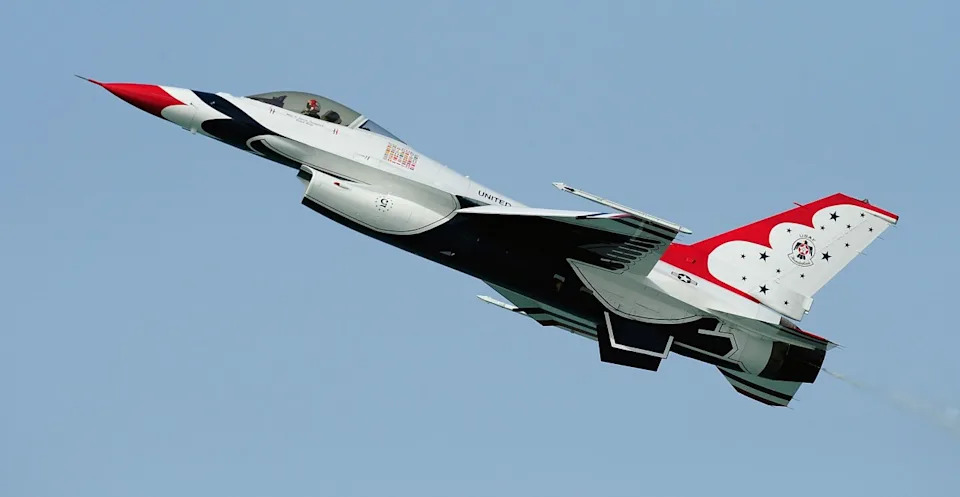
FILE IMAGE: A USAF Thunderbird F-16 performs at the eighth annual Defence Force Air Show at The Strand on September 26, 2009, in Townsville, Australia. (Photo by Ian Hitchcock/Getty Images)
Visibility and Maintenance Concerns
Investigators noted the jet had appeared to operate normally the day before the accident. Mechanics would not have been able to detect the misalignment without disassembling the engine, meaning the core damage can progress unseen between scheduled overhauls. The report also points out that this accident follows a series of compressor-blade fractures in the same engine model that were similarly traced to vane problems.
"The core of the engine is only inspected during scheduled maintenance when a core component reaches its overhaul threshold, leaving time for potential damage to progress undetected," investigators said.
Unresolved Questions
Investigators have not determined what initially caused the variable vanes to shift and begin the chain reaction. The report recommends continued review of inspection intervals and maintenance practices for engines with similar variable-vane designs.
FILE IMAGE: A USAF Thunderbird F-16 performs at the eighth annual Defence Force Air Show at The Strand on September 26, 2009, in Townsville, Australia. (Photo by Ian Hitchcock/Getty Images)
Help us improve.