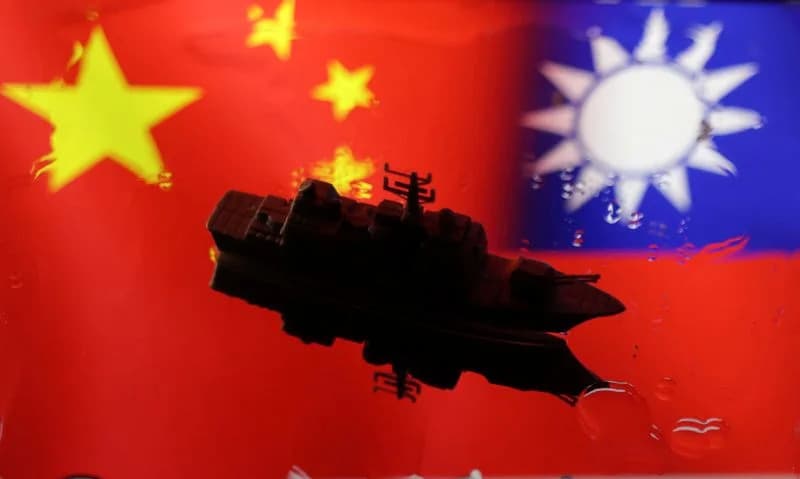
Two New Zealand naval ships, HMNZS Te Mana and HMNZS Aotearoa, transited the Taiwan Strait on September 18 while heading to joint drills with the Philippines. Officials described the movement as a routine, safe transit conducted in international waters and consistent with international law. The passage underscores ongoing naval activity in the region amid rising cross-strait tensions as China increases pressure on Taiwan and Taipei boosts defence spending.
Two New Zealand Warships Transit Taiwan Strait Ahead Of Joint Drills With Philippines
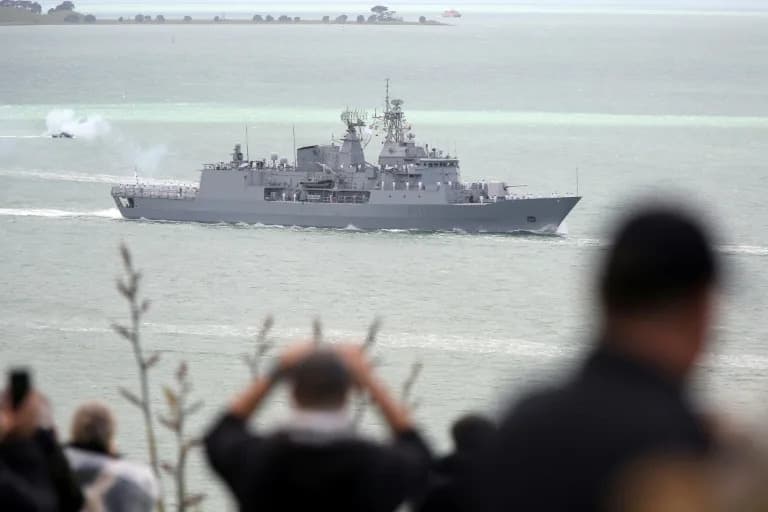
HMNZS Te Mana from New Zealand photographed in Waitemata Harbour in November 2016. (Michael Bradley)
Two New Zealand naval vessels — the Anzac-class frigate HMNZS Te Mana and the fleet sustainment ship HMNZS Aotearoa — transited the Taiwan Strait on September 18, the New Zealand Defence Force said on Tuesday.
China regards Taiwan as part of its territory and asserts jurisdiction over the Taiwan Strait, a key international shipping lane. New Zealand, the United States, Australia and other nations treat the strait as international waters open to all vessels under international law.
The two ships were en route to a planned joint exercise with the Philippines. A Defence Force spokesman said the Royal New Zealand Navy "has a long record of regional deployments that include routine passages along established routes as ships move between engagements."
"As part of its passage, the Task Group completed a transit of the Taiwan Strait," the spokesman said.
Prime Minister Christopher Luxon described the movement on Monday as a "routine transit" and said it was "conducted in international waters and in accordance with international law." He added that the operation was safe and standard practice for the navy.
New Zealand vessels also transited the strait in November 2025. The passage comes amid rising cross-strait tensions as China has increased military pressure on Taiwan while Taipei has boosted defence spending.
Why It Matters
Transits such as this reaffirm New Zealand's and other countries' position that the Taiwan Strait remains open to international navigation. They also reflect the broader regional security context in which routine naval movements are viewed through a strategic lens.
Help us improve.