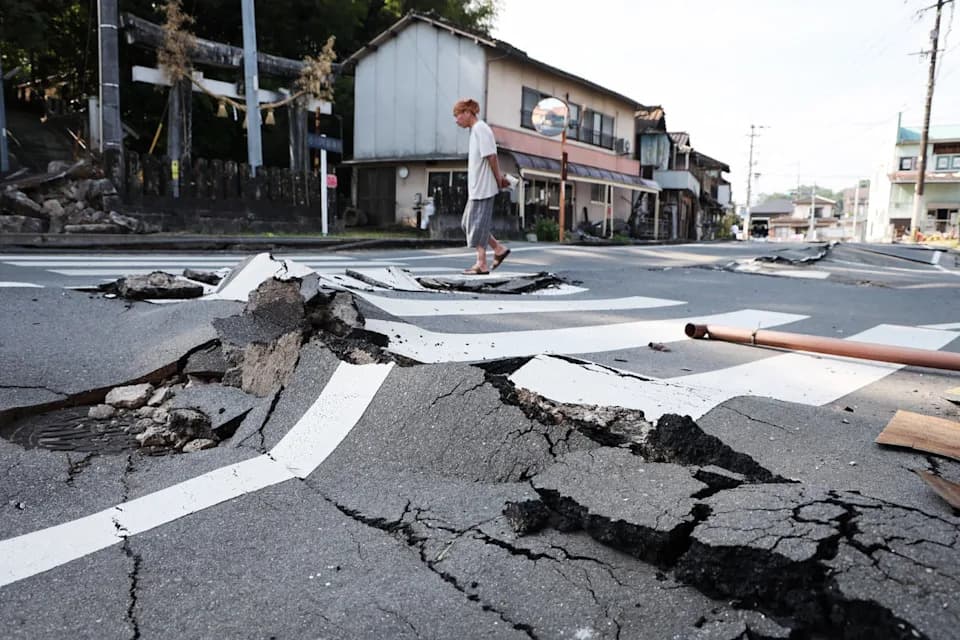
On Sept. 21, 1999, a 7.6-magnitude quake known as the Chi‑Chi (921) earthquake struck central Taiwan, killing more than 2,400 people and displacing about 100,000. Investigations found that poor design and construction practices worsened the damage, fueling public outrage and political consequences. The disaster prompted sweeping reforms in seismic codes, building oversight and disaster planning, leaving a lasting legacy in Taiwan's approach to earthquake resilience.
27 Years Since the 1999 Chi‑Chi (921) Earthquake: 2,400+ Dead, 100,000 Displaced — How Taiwan Rebuilt Resilience
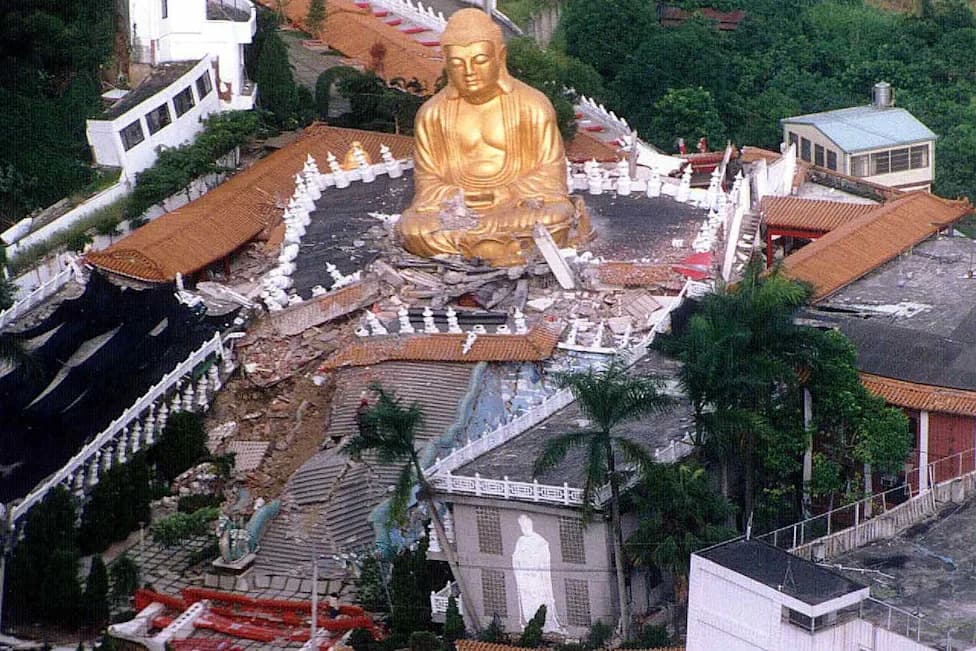
The Taiwan earthquake of 1999Credit: JOHNSON LIU/AFP via Getty
On Sept. 21, 1999, at about 1:47 a.m. local time, a 7.6-magnitude earthquake known as the Chi‑Chi or 921 earthquake struck central Taiwan. The temblor's epicenter was in Nantou County, but violent shaking, landslides and collapsed infrastructure caused devastation across the island from Taichung to Taipei.
Human Cost and Immediate Aftermath
The quake killed more than 2,400 people and left roughly 100,000 residents homeless. Thousands of buildings were destroyed or badly damaged, roads buckled and bridges collapsed, leaving communities cut off and rescue teams racing to find survivors.
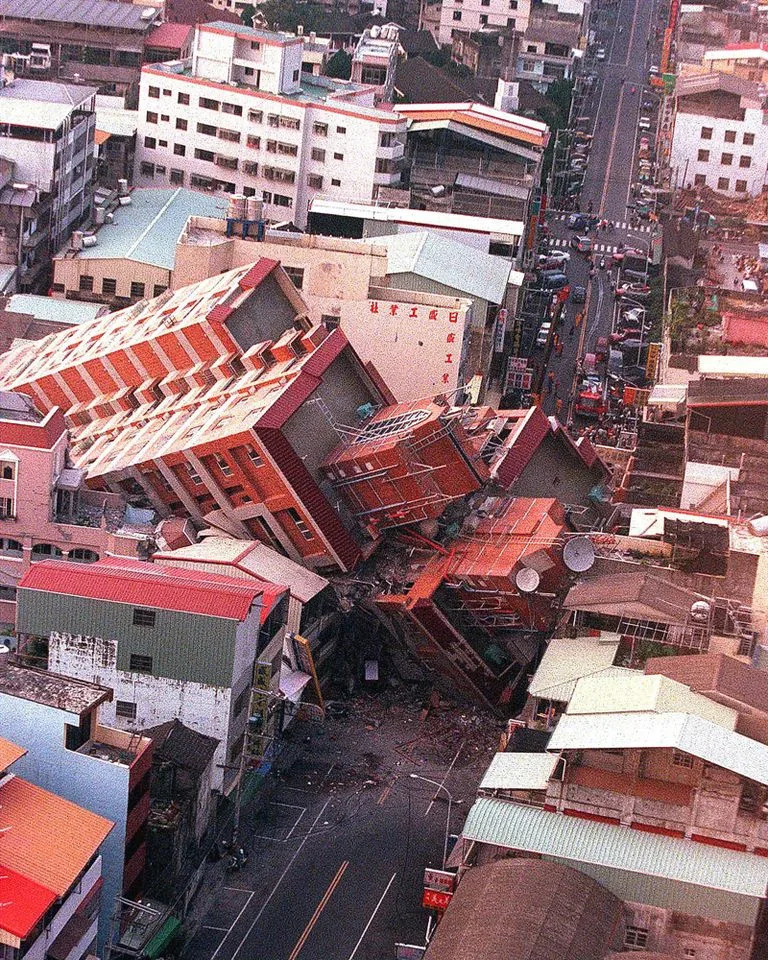
An aerial view of Tungshih, in Taichung, Taiwan, after the earthquake of 1999Credit: CHEN KUNG-KU/AFP via Getty
"Ten years on, I am still afraid of earthquakes," survivor Sun Chi-kuang told the Taipei Times, recalling six days trapped beneath rubble with his brother before they dug free. His brother, Sun Chi-fong, described Sept. 21 as the day they were reborn.
Why Damage Was So Severe
Post-quake investigations found that many structural failures were not caused solely by ground shaking but were exacerbated by poor design, weak lower floors and human error during construction. Sociologists and engineers pointed to lapses in oversight and enforcement as factors that magnified the disaster's toll.
Political and Policy Consequences
Public anger over construction standards and the government response produced significant political fallout. Critics say the ruling Kuomintang (KMT) faced intense scrutiny for its early handling of the disaster, and the episode contributed to wider debate about accountability and public safety ahead of the March 2000 presidential election.
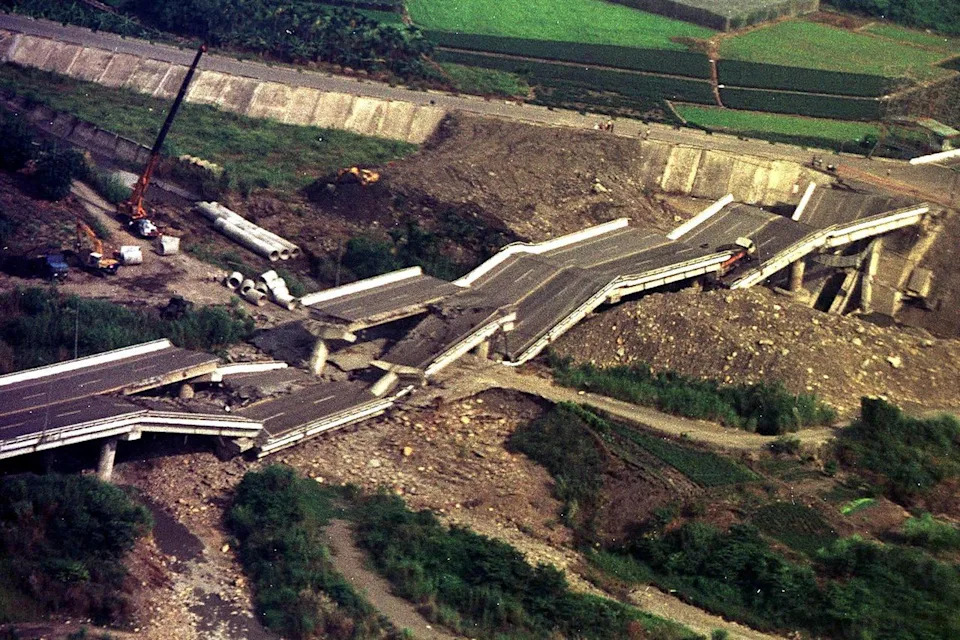
A destroyed bridge link between Minchien and Chushan lies in pieces 26 September 1999 in Nantou CountyCredit: LIN HSIN-MING/AFP via Getty
Reforms and Long-Term Legacy
Experts view the Chi‑Chi earthquake as a watershed moment. Taiwan strengthened seismic design codes, improved building inspection and permit processes, and developed more comprehensive disaster-reduction plans. Though nothing can be made entirely earthquake-proof, these changes have made buildings and emergency systems more resilient.
Taiwan lies along the Pacific "Ring of Fire," so seismic risk is an ongoing reality. Subsequent quakes — including devastating events in 2016 and a major tremor in April 2024 — tested these improvements; observers say enhanced regulations and newer construction technologies helped reduce fatalities compared with 1999.
Remembering Survivors and Lessons Learned
Survivors describe lasting trauma alongside gratitude for rescue efforts and the reforms that followed. The Chi‑Chi earthquake remains a defining event in Taiwan’s modern history, reshaping how governments, engineers and communities prepare for and respond to major seismic events.
Sources: contemporary reporting and analyses from History.com, The New York Times, Taipei Times, Voice of America, academic experts and subsequent news coverage.
Help us improve.