President Trump said the U.S. is negotiating a "massive" potash deal with Belarus that he claims would be cheaper than Canadian imports. Canadian potash currently supplies over 80% of U.S. farm needs and was valued at about $4.2 billion in 2025; it remains exempt from recent U.S. tariffs. The proposal has raised geopolitical concerns because Belarus is a close Russian partner, and European leaders have warned of potential Russian strikes or covert operations. Canada has responded to U.S. tariffs with $27.6 billion in retaliatory duties.
Trump Says U.S. Pursuing ‘Massive’ Potash Deal With Belarus as Trade, Security Concerns Grow
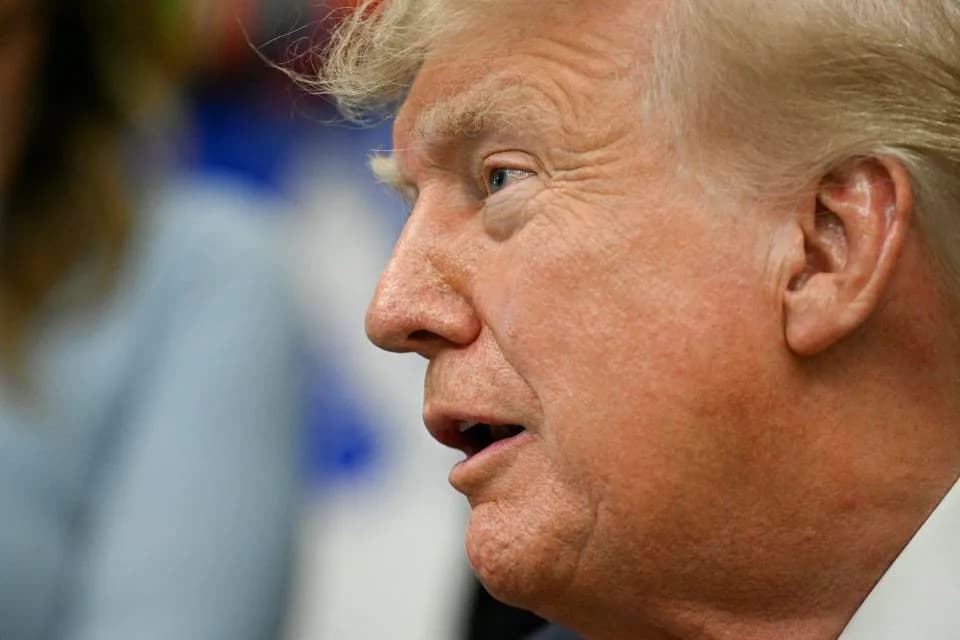
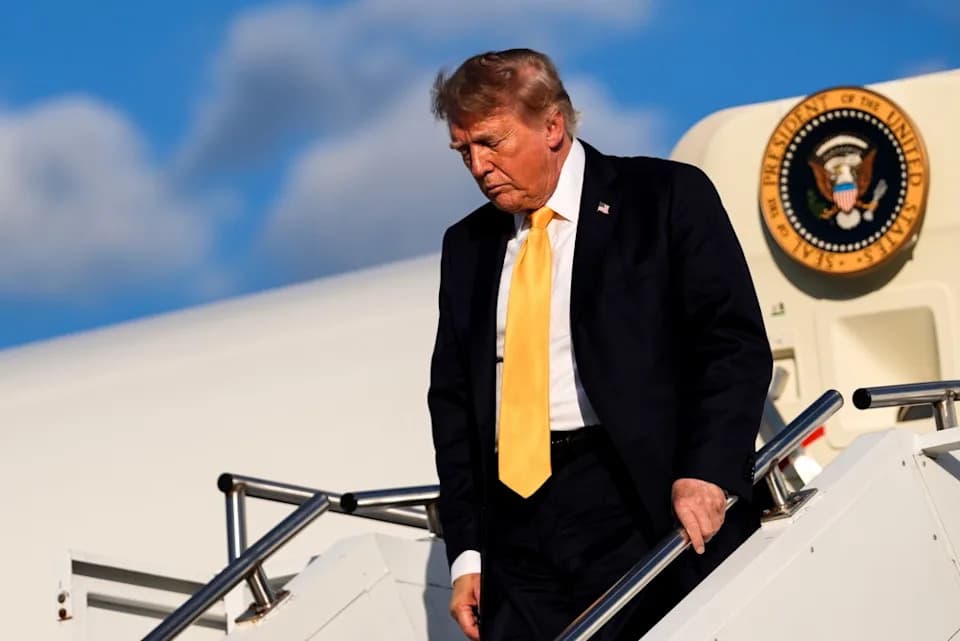
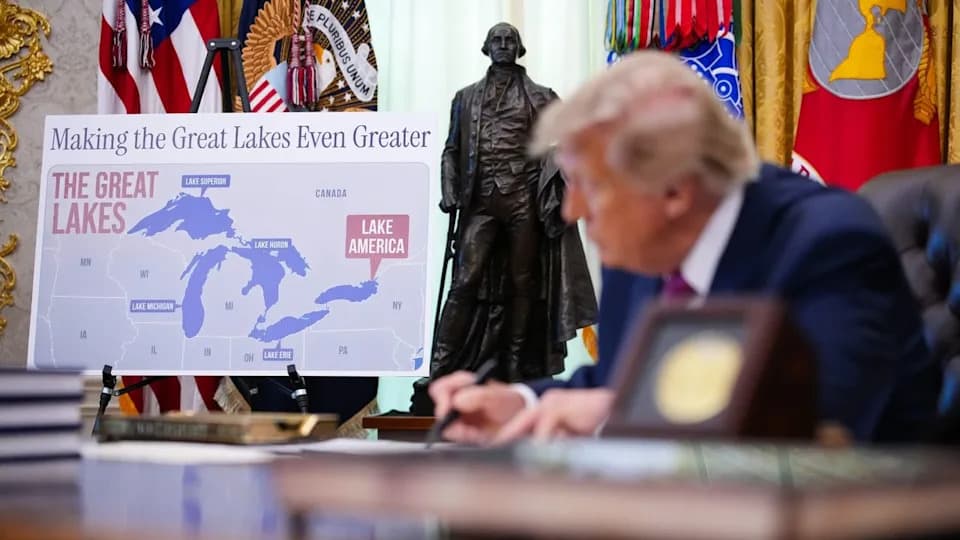
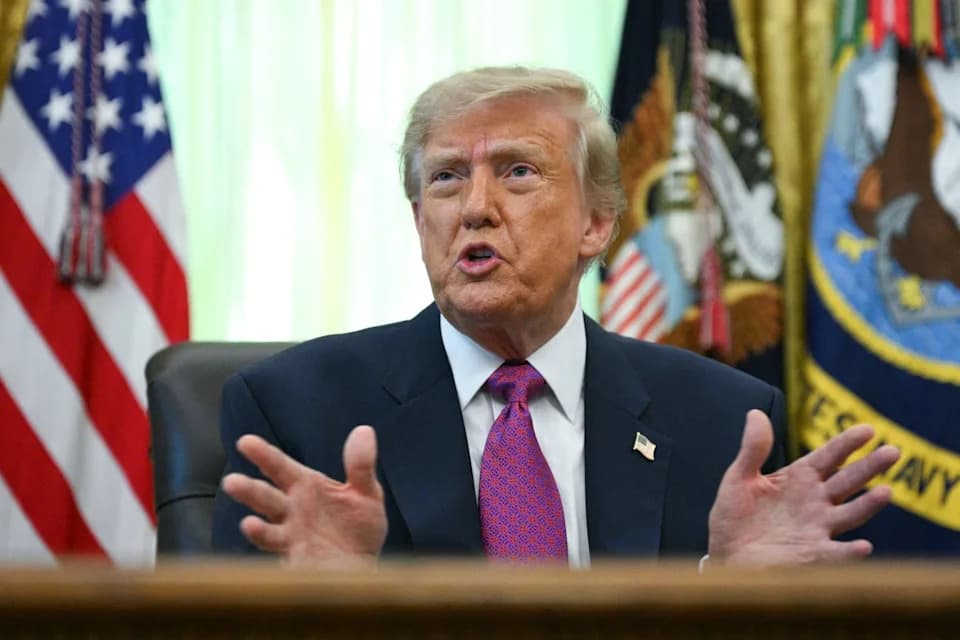
US President Donald Trump speaks about healthcare in the Oval Office of the White House in Washington, DC, on September 18, 2026.
President Donald Trump announced Monday that the United States is negotiating a "massive deal" to buy potash, a key fertilizer ingredient, from Belarus — a move he said would be substantially cheaper than current Canadian supplies. The remarks have amplified debates over trade, agricultural supply chains and geopolitical risk given Belarus's close ties to Russia.
What Trump Said
"We are in talks to buy potash from Belarus — it would be for substantially less than we are currently paying to Canada," the president wrote in a post Monday.
Why Potash Matters
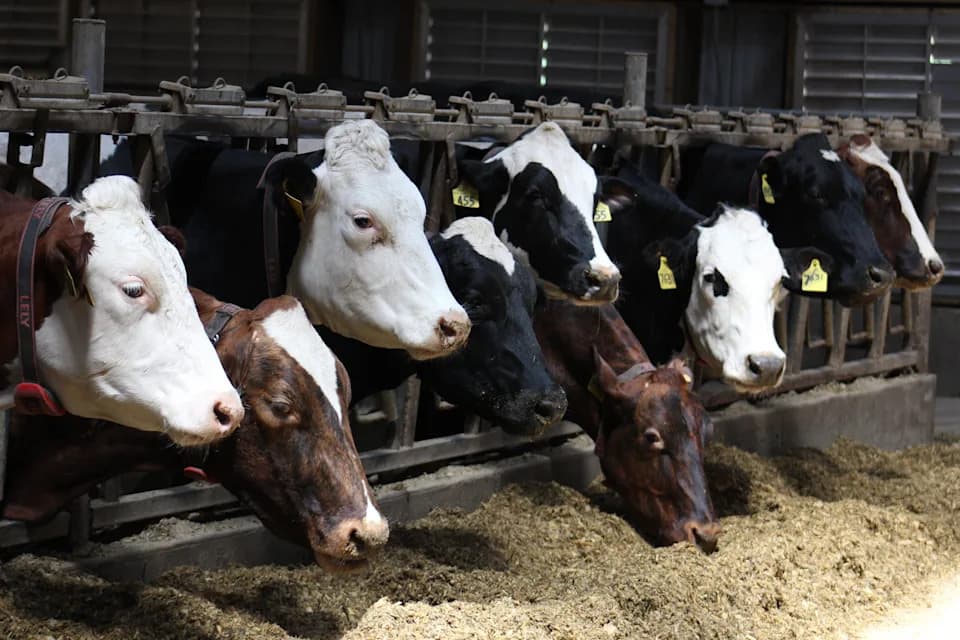
Potash is the common name for potassium-bearing salts used widely in fertilizer to support crop yields. According to Natural Resources Canada, the U.S. imported about $4.2 billion worth of potash from Canada in 2025, and Canadian suppliers provide more than 80% of the potash used on U.S. farms. Maintaining affordable, reliable access to potash is important for American agriculture and food prices.
Trade Context
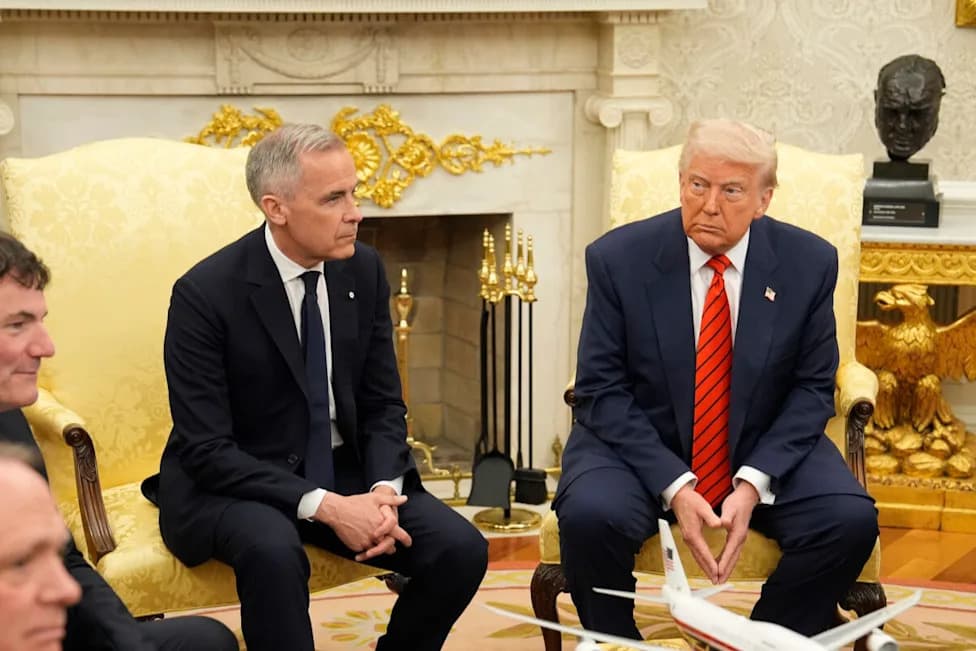
The announcement comes amid an escalating tariff dispute between Washington and Ottawa. In July, the U.S. approved 50% tariffs on a range of Canadian imports. Canada subsequently imposed retaliatory duties targeting $27.6 billion of U.S. goods across sectors including steel, dairy, agricultural equipment, electronics, appliances, and paper and pulp. Despite the broader tariff measures, Canadian potash has been exempt from the U.S. duties to date.
Geopolitical Concerns
Belarus is a major global exporter of potash but is also a close strategic partner of Russia. While Minsk is not a direct combatant in Russia's multi-year invasion of Ukraine, it has provided territory and logistics support that can facilitate Russian military operations. That alliance has prompted officials and analysts to caution about potential risks of deepening trade ties.
European leaders have voiced security worries: Polish Prime Minister Donald Tusk warned that Russia might plan strikes on countries supporting Ukraine, citing intelligence shared through NATO, and French President Emmanuel Macron has highlighted risks of cyber and drone operations that could be disguised as accidents.
What Comes Next
Details remain sparse about the proposed potash deal, including price, volume, timeline and whether congressional or regulatory steps would be required. Agriculture and national security stakeholders will likely scrutinize any agreement for both economic and strategic implications.
Originally published on Forbes.com. Photo caption in original: U.S. President Donald Trump speaks in the Oval Office, Sept. 18, 2026.
Help us improve.