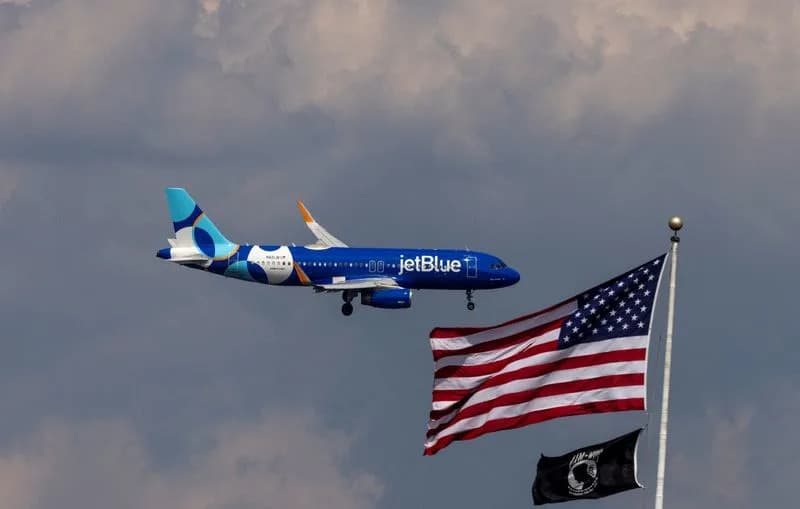
The DOT has revised a Biden-era rule and exempted airlines from responsibility for ten types of flight disruptions, potentially eliminating many refund claims. Exemptions include unscheduled maintenance, cyberattacks, medical emergencies, baggage-system outages and weather-related damage. The DOT says the change protects airlines' reputations and limits costs, but it also acknowledged consumers will likely receive less compensation. Advocates advise passengers to document delays, request specifics, and save receipts if they want to preserve refund claims.
DOT Narrows Airline Refund Rules — 10 New Exemptions That Could End Many Passenger Refunds
Trump is changing the rules that could end refunds if your flight is delayed or canceled
The Department of Transportation (DOT) under the Trump administration has revised a Biden-era approach that required airlines to reimburse passengers when flights were cancelled or significantly delayed. Under the FAA Reauthorization Act of 2024, the DOT previously tracked disruption causes across four categories—air carrier, extreme weather, the National Aviation System, and security/late-arriving aircraft—and required refunds when carriers were deemed responsible.
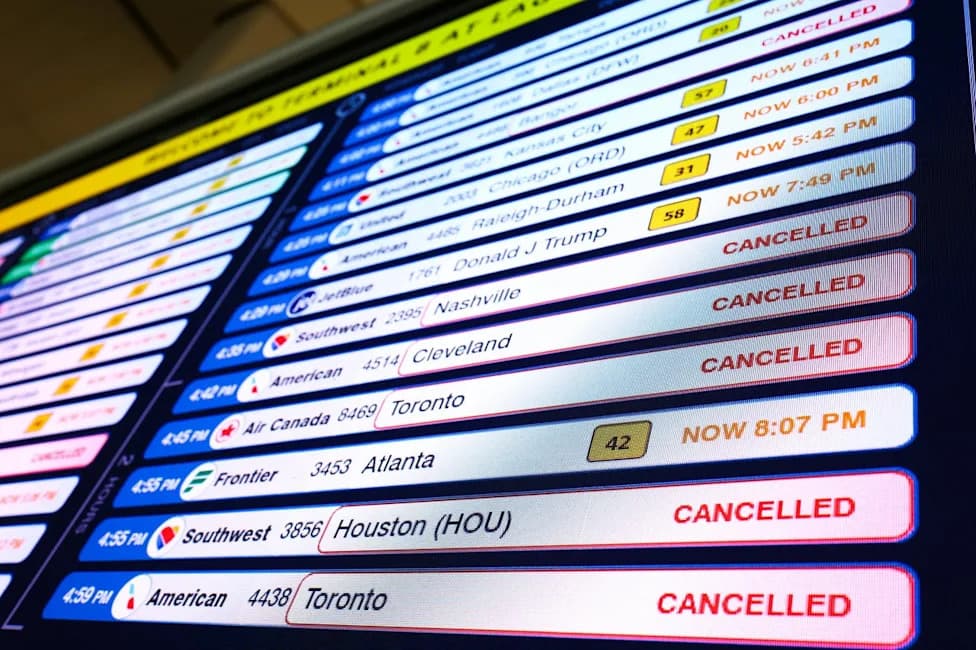
Canceled flights on a digital board at LaGuardia Airport in Queens, New York. A new federal rule has exempted airlines from having to refund customers for delayed or canceled flights if the disruption was outside of the airline's control (AFP/Getty)
In the newly issued rule, the DOT narrows carrier responsibility by exempting airlines from liability for ten types of disruptions the agency now considers "not within their control." DOT says the change aims to limit financial and reputational harm to airlines from incidents outside their control, while also acknowledging the move will likely reduce the total value of amenities and compensation consumers receive.
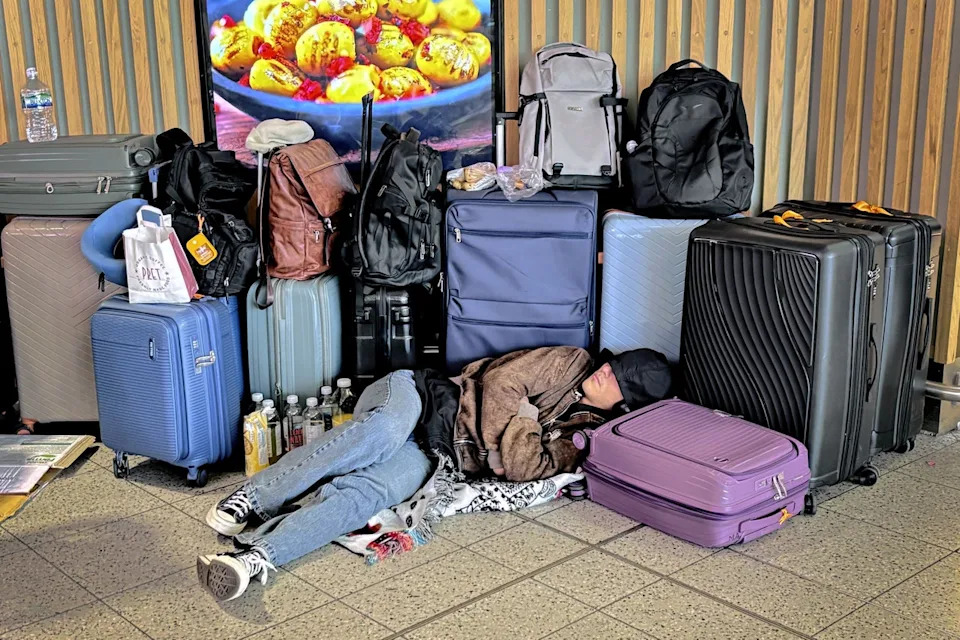
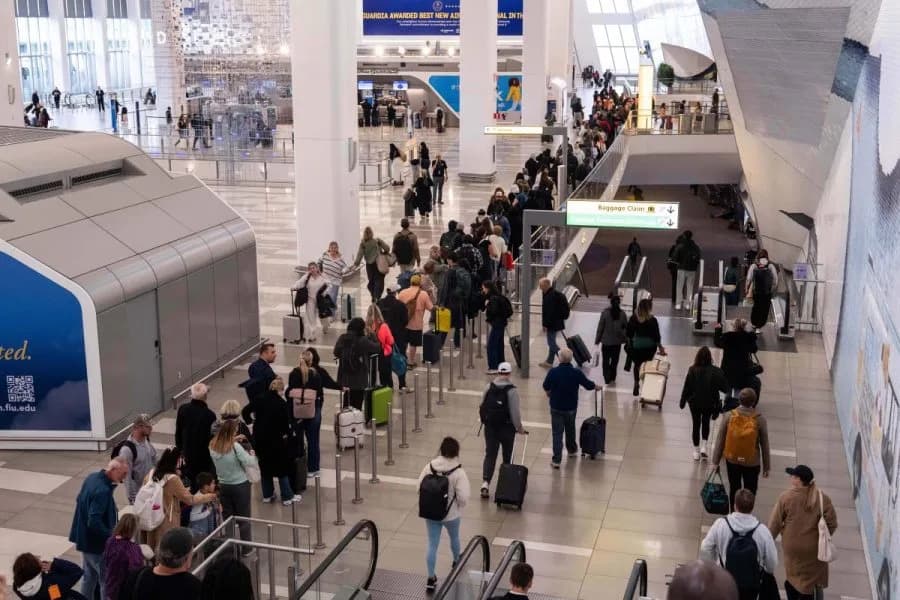
A traveler rest among their baggage while waiting for a flight. Under new federal rules, airports are no longer be forced to refund customers for a range of issues that might cause a flight delay or cancellation (PA)
Ten Disruptions Reclassified As Outside Airline Control
- Cleaning After a Passenger Death — When an aircraft requires cleaning following a passenger death.
- Weather or External Damage — Damage to an aircraft caused by extreme weather, foreign object debris, or sabotage.
- Baggage System Outages — Baggage or cargo loading delays due to a bag-system outage not controlled by the airline or its contractors.
- Cyberattacks — Disruptions caused by cyberattacks, provided the airline complied with federal cybersecurity requirements.
- Government System Failures — Unexpected shutdowns or failures of government systems that directly affect an airline's ability to operate safely.
- Overheated Brakes After Emergency Procedures — Brake issues that arise after emergency procedures are used for safety reasons.
- Unscheduled Maintenance — Maintenance that must be addressed before the aircraft can safely depart.
- Medical Emergencies — Onboard medical emergencies that are outside the airline's control.
- Unruly Passengers — Delays or cancellations caused by the removal of an unruly passenger.
- Airport Closures for Natural Hazards — Airport closures due to volcanic ash, high winds or wind shear.
What DOT Says: A DOT spokesperson described the change as intended to "reduce the negative reputational impacts and harm that air carriers currently experience because the attribution of certain delay and cancellation causes to air carriers...are not within their control." The department also acknowledged the rule will likely reduce the overall value of amenities and compensation airlines provide to consumers.
Consumer Reaction: Consumer advocates warn the rule will make refunds harder to obtain. A managing editor at The Points Guy told Nexstar the exemption for unscheduled maintenance is particularly concerning, saying that labeling a disruption as "mechanical" or "operational" may no longer be sufficient grounds for compensation.
Advice For Travelers: If you are affected, be proactive. Ask airlines for a precise explanation of the disruption, document all communications, take screenshots, keep receipts for expenses, and file formal refund or compensation requests. Even when rules change, documented evidence improves the chance of a successful claim with the airline or through dispute channels such as credit-card chargebacks.
The rule change shifts more financial risk and responsibility to passengers while reducing exposure for carriers. Travelers and consumer advocates are likely to monitor implementation closely and may push for clarifications or appeals to the DOT in the coming months.
Help us improve.