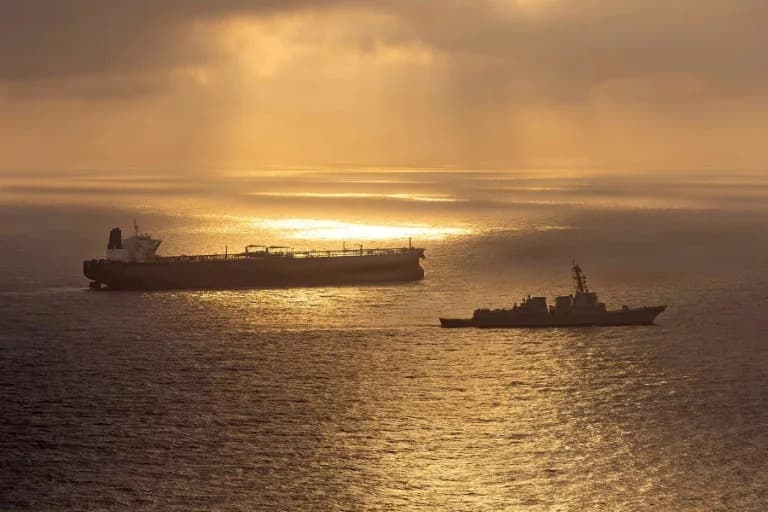
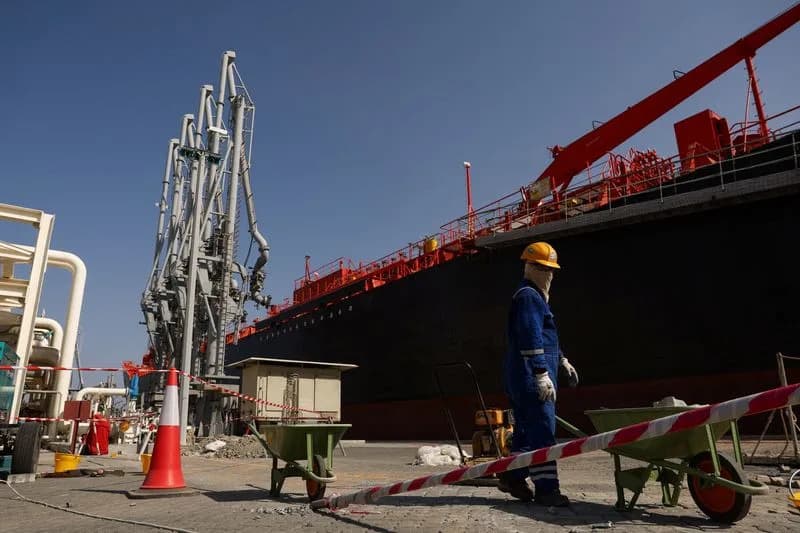
Qatar’s energy minister says the Strait of Hormuz remains essential, rejecting claims it could become "obsolete" as alternatives arise. Doha looked at pipelines but rejected them on commercial and technical grounds and is expanding LNG capacity from 77 to 142 million tons per year by 2030. Al-Kaabi warned that the build-out could be delayed if equipment cannot transit Hormuz; the first new LNG plant is due next year, and repairs to facilities hit in Iranian strikes will take about three years.
Qatar Says Strait of Hormuz ‘Cannot Be Obsolete’ as LNG Build-Out Depends on Passage
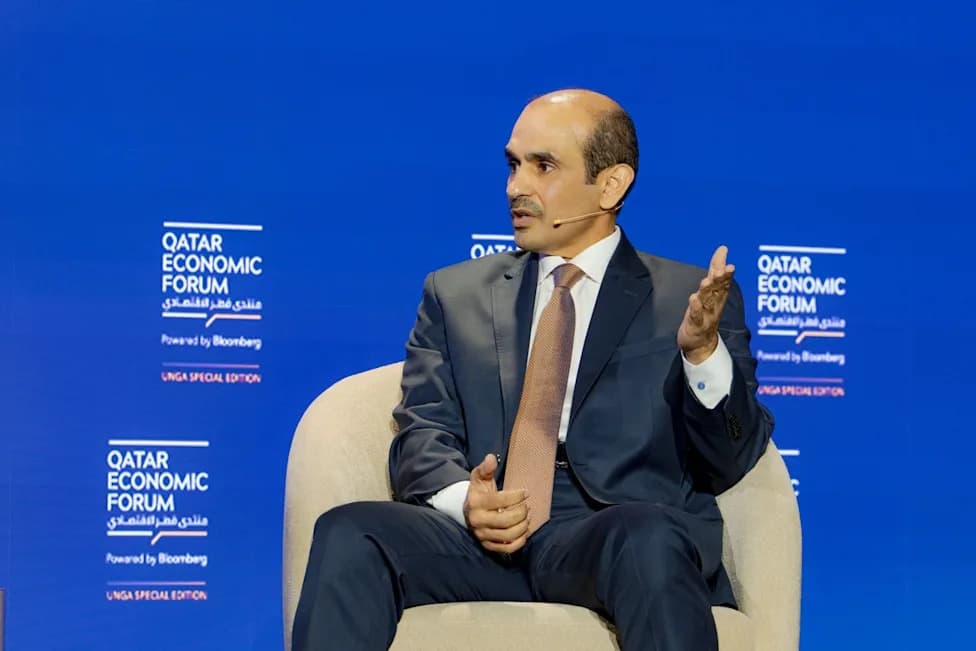
Al-Kaabi: Hormuz ‘cannot be obsolete’
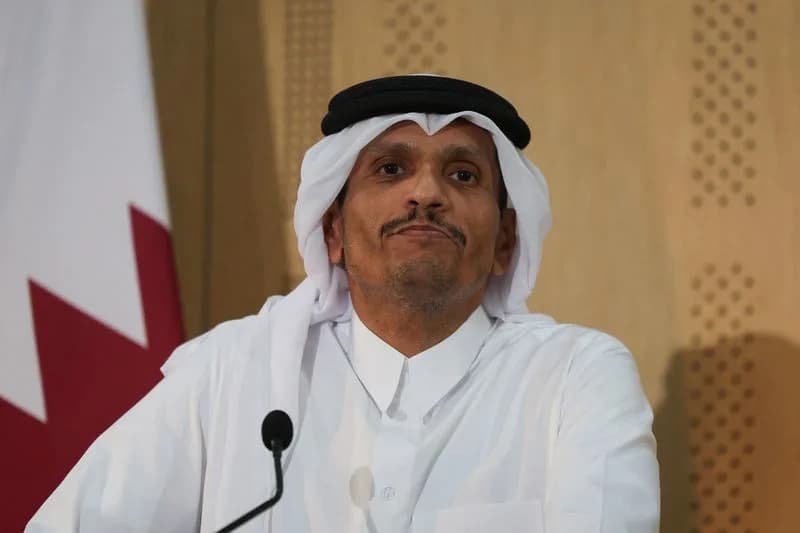
Qatar’s energy minister, Saad Sherida Al-Kaabi, pushed back against assertions from the Trump administration that the Strait of Hormuz could become irrelevant, saying the waterway "cannot be obsolete." Speaking at the Qatar Economic Forum, he argued the strait carries more than oil and that many goods cannot be moved as efficiently by land or air.
Al-Kaabi dismissed a proposal by a U.S. administration official, Scott Bessent, who had suggested the strait might become a "worthless piece of water" as alternatives develop. Al-Kaabi said such a view overlooks the practical limits of pipelines and alternative transport routes for the mix of cargoes that transit Hormuz.
Doha did study the option of exporting gas via pipeline but rejected it "based on commercial and technical criteria," Al-Kaabi said. Instead, Qatar plans a major expansion of liquefied natural gas (LNG) capacity—from 77 million tons per year today to 142 million tons per year by 2030—an increase he said makes duplicating export infrastructure impractical.
Risks to the Expansion
Al-Kaabi warned that the timeline for that expansion hinges on the ability to move equipment and materials through the Strait of Hormuz. He said the first of the new LNG plants is expected to begin operations next year, while repair work on facilities damaged in Iranian strikes will take roughly three years.Why it matters: The Strait of Hormuz remains a strategic maritime chokepoint for energy and other cargo. Any disruption to transit could delay Qatar’s ambitious LNG projects and affect global energy markets that rely on Gulf exports.
"The Strait of Hormuz cannot be obsolete," Al-Kaabi said, emphasizing the practical constraints on alternatives for bulk transport of energy and equipment.
Al-Kaabi’s remarks underscore how infrastructure, geopolitics and logistics intersect in the Gulf—and why secure access to maritime routes remains central to Qatar’s export strategy.
Help us improve.