Laura Kuenssberg visited Althorp to interview Earl Spencer shortly after Buckingham Palace issued a sharp statement about passages in his new book. Spencer stands by his recollection that the then-Prince Charles sounded "giddy" in 1997 and allegedly said the world would "forget her soon enough," while the Palace warned that grief can "cloud reason." Allies on both sides have offered conflicting accounts; Spencer says his motive is to record his memories and honour his sister as the 30th anniversary of her death approaches.
Kuenssberg Asks Earl Spencer: Which Charles Should We Believe?
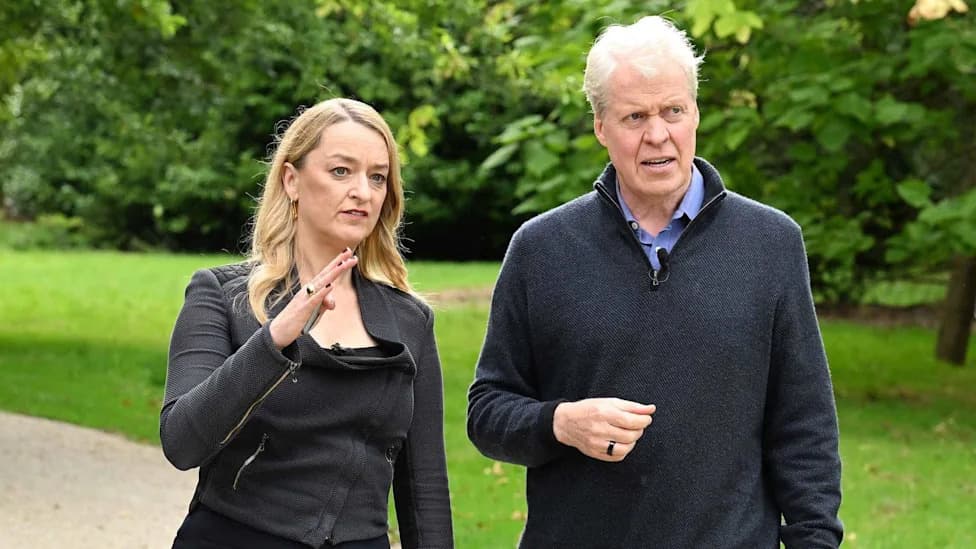
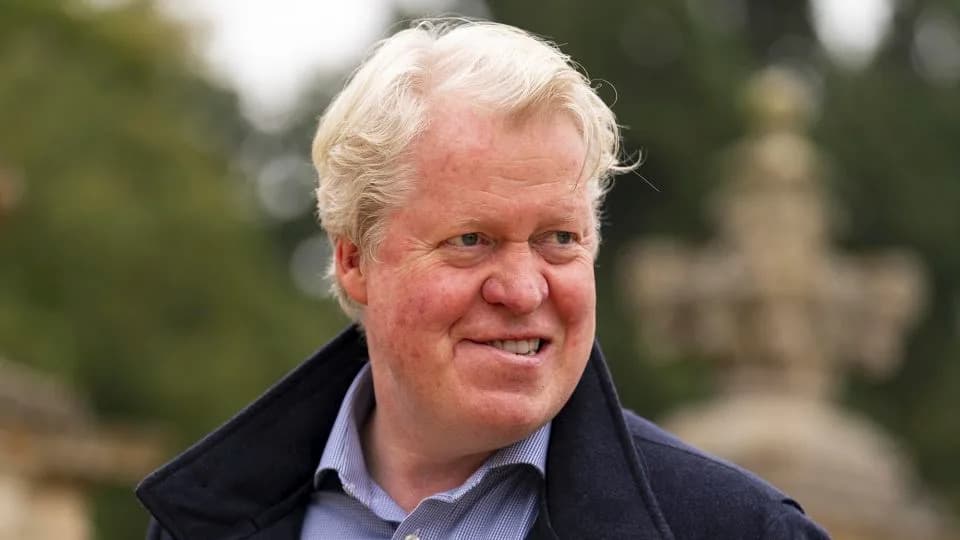
Laura Kuenssberg met Earl Spencer at Althorp, the ancestral home on the grounds of which Diana is buried [BBC]
When I arrived at Althorp on Thursday to interview Charles, Earl Spencer, the great house felt almost empty — only a handful of staff were visible in the vast rooms where Princess Diana once tap-danced and roller-skated.
Palace Response Sets The Scene
Hours earlier Buckingham Palace had issued a blistering response to passages in Earl Spencer's new book, unusually questioning aspects of his recollection rather than issuing a blanket denial. That response transformed what might have been a private recollection into a clash of narratives: the earl's version of events versus the King's.
Central Claims: Spencer says the then-Prince Charles sounded "giddy" on the night Diana died in 1997 and that the future king "hissed" that the world would "forget her soon enough." The Palace criticised Spencer's judgement, observing that "the pain of fraternal grief can cloud reason, affect judgment and colour memory in ways others do not recognise, even many years after such a loss."
"While we do not comment on books as a matter of principle, His Majesty is mindful that the pain of fraternal grief can cloud reason, affect judgment and colour memory in ways others do not recognise, even many years after such a loss."
Spencer's Defence
Spencer spoke calmly and in detail, insisting his account should be on the record. He described his conversations with the man who is now King and emphasised that the Palace had criticised his judgement rather than issuing a categorical denial. He said he published his book and allowed portions to be serialised not out of revenge but to preserve what he sees as an important family record as the 30th anniversary of Diana's death approaches.
Allies and detractors quickly mobilised: royal supporters defended the King, while others emerged to back aspects of Spencer's account. More than 25 years on, there is no definitive way to reconstruct every detail of that night, and the Palace stopped short of an absolute denial.
Grief, Memory And Legacy
After the interview we walked to the lake, past the little green rowing boat Spencer uses to reach the wooded island where Diana is buried. At The Temple — an 18th-century building on the grounds that now bears her name — Spencer reflected on his famous eulogy and said Diana "will never be extinguished from our minds." He became emotional when asked how much he still missed her: "The thing with sibling loss? You never get over it."
Whether the public ultimately accepts Spencer's recollections or sides with the Palace depends on which testimony they find more credible. What is clear is that the debate has reopened long-simmering questions about Diana's memory, the family's private grief and how personal history is recorded.
Help us improve.