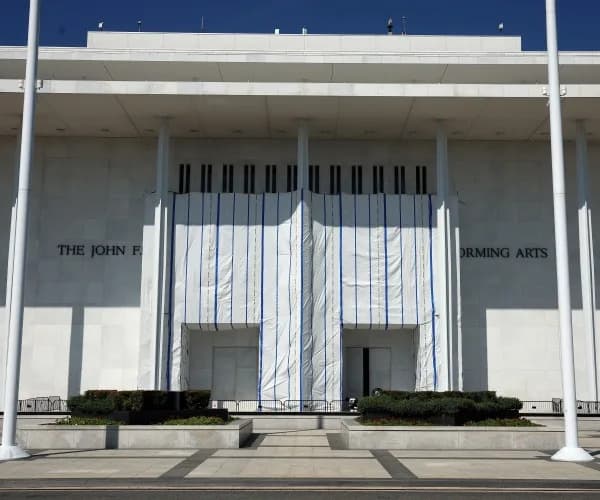
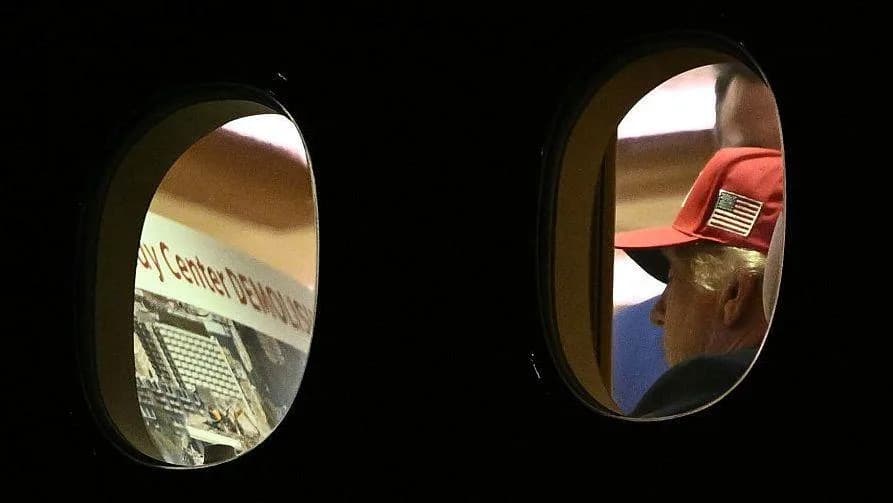
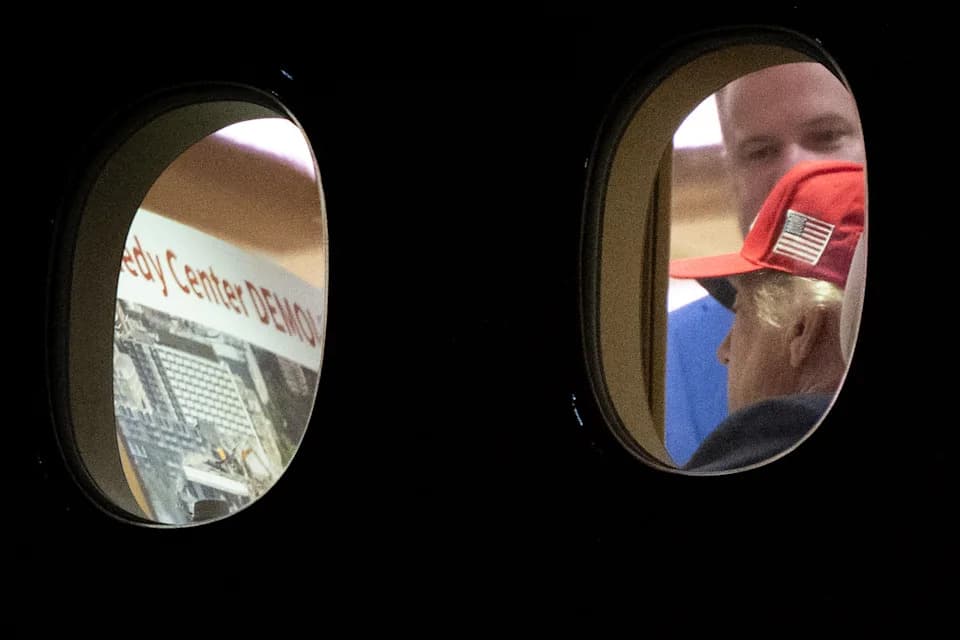
Quick Take: A federal judge blocked a bid to add President Trump’s name to the Kennedy Center, citing a 1983 law that forbids new memorial plaques in public areas. A photo suggesting demolition led to court-ordered discovery, while the president threatened to withhold a $257 million congressional appropriation for renovations. As a congressionally chartered nonprofit, the center’s legal and insolvency options differ greatly from private corporate bankruptcies; public audits show a prior $40 million surplus, an active $10 million line of credit, and a $17 million lawsuit from Washington National Opera.
Kennedy Center vs. Trump: Why a Congress-Chartered Nonprofit Can’t Be Treated Like His Bankrupt Businesses
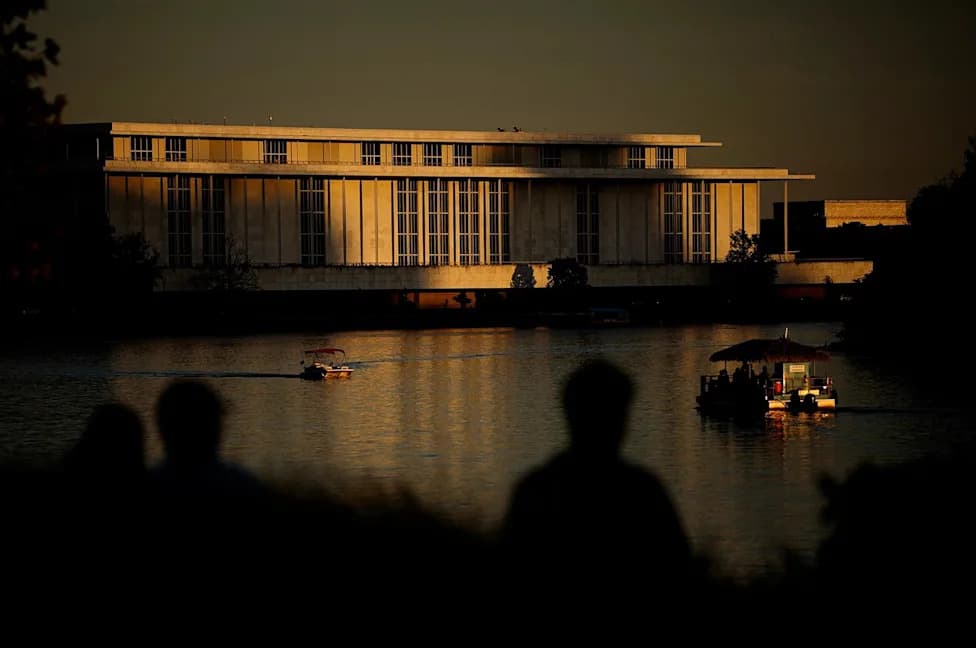
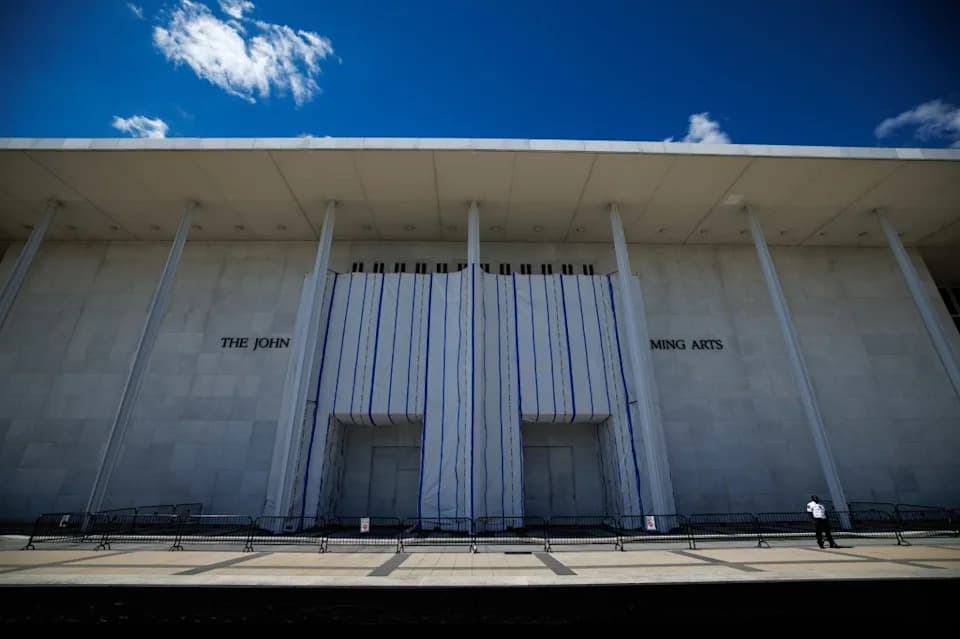
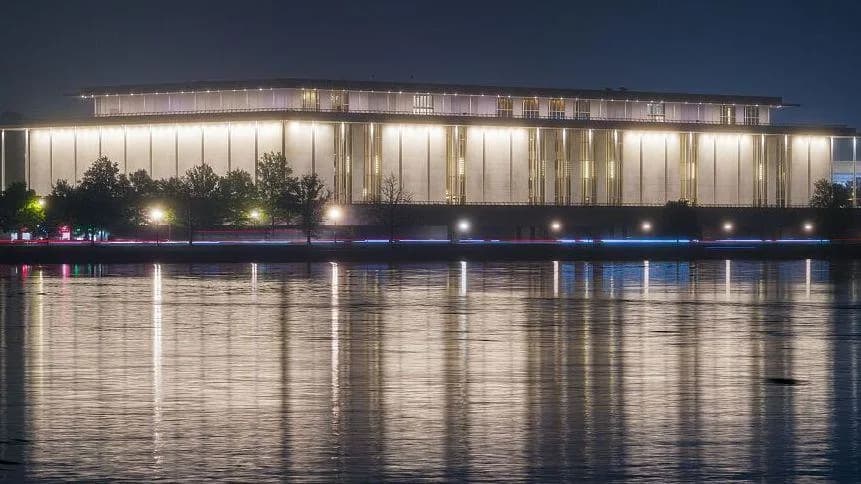
The John F. Kennedy Center for the Performing Arts is visible from the Georgetown waterfront as boats make their way along the Potomac River on Sept. 15, 2026, in Washington.
The Kennedy Center has become the center of a high-stakes legal and political showdown after a federal judge blocked a bid to affix President Trump’s name to the building. The dispute has raised questions about funding, governance and whether the cultural institution can be treated like a private business with a history of corporate bankruptcies.
Judge’s Ruling and the Underlying Law
On Tuesday, U.S. District Judge Christopher Cooper denied the Kennedy Center’s most recent request to allow placement of President Trump’s name on the public areas of the building. Cooper’s decision relied on plain statutory language: a 1983 federal law states, "no additional memorials or plaques in the nature of memorials shall be designated or installed in the public areas of the John F. Kennedy Center for the Performing Arts." The judge noted that Congress could amend the statute if it chose to do so.
Photo, Discovery and Public Reaction
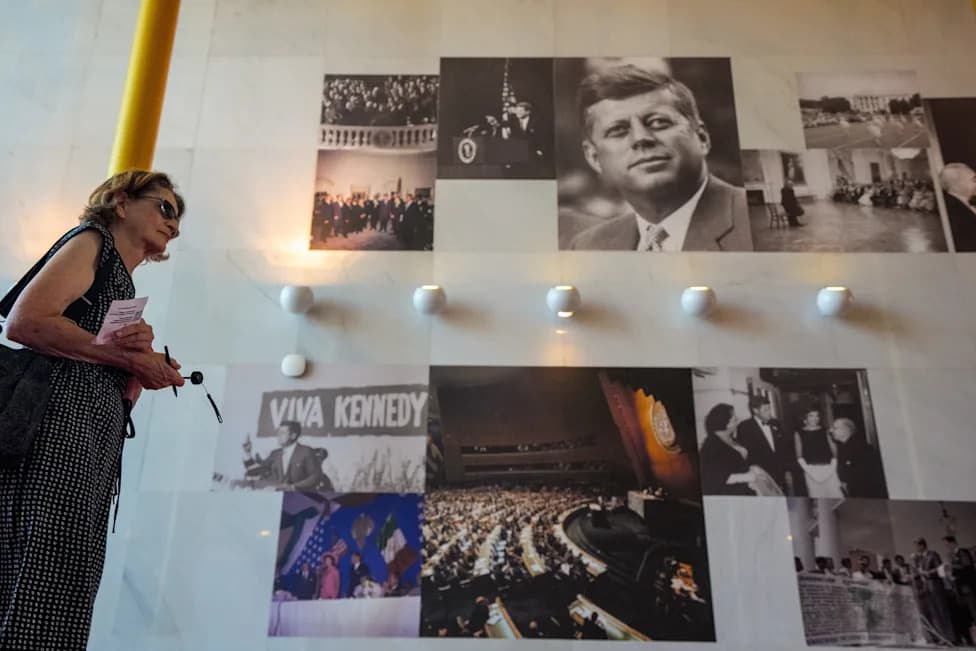
Matters intensified after a Getty photographer captured an image of Mr. Trump looking at a large photograph labeled in all caps, "Kennedy Center DEMOLISHED." That image prompted Rep. Joyce Beatty’s lawyers to request further court action; late Thursday Judge Cooper granted discovery related to the alleged demolition plan and ordered that any proposed deviations from the center’s approved renovation plan be presented to the court with 30 days’ notice.
Advocacy groups and local figures responded quickly. An organization called Hands Off The Arts organized a Friday-night demonstration attended by hundreds; protesters formed a human chain around the building. Preservation groups also sued the administration and urged the court to consider placing the Kennedy Center into receivership.
Political Pressure: Funding Threats
President Trump publicly threatened to withhold a $257 million congressional appropriation earmarked for long-deferred maintenance, including HVAC repairs. He asserted on social media that the center was "losing hundreds of millions of dollars," a claim for which he has not provided public documentation. The Kennedy Center, however, has published audit and tax disclosures that present a different, more nuanced financial picture.
Why This Is Different From Private Corporate Bankruptcies
Crucially, the Kennedy Center is a nonprofit chartered by Congress. That status means any insolvency or restructuring would follow a different legal path than the private bankruptcies associated with Mr. Trump’s past businesses. For nonprofits, a Chapter 7 filing typically requires dissolution and liquidation of assets, with strict rules prohibiting board members and employees from personal financial gain during the process. Dissolving a congressionally chartered nonprofit is largely untested legal terrain.
Chapter 11 reorganization remains an option, but it does not necessarily permit the kind of debt discharge available in some private restructurings, and so may offer limited relief if the center were truly hundreds of millions in arrears.
Public Records: Surplus, Credit Line and Litigation
Because the Kennedy Center receives federal funding (more than $975,000 in recent years), it must file Form 990s and submit to external audits. Auditors at BDO International reported that in the fiscal year before Mr. Trump assumed his leadership role, the center recorded a roughly $40 million budget surplus. The audit also disclosed an open $10 million line of credit with U.S. Bank (reported with a zero balance at the time of audit) that expires on Dec. 13, 2025. Former employees and sources say the center may have drawn on that line as attendance declined into late 2025.
The Kennedy Center also faces a lawsuit from the newly independent Washington National Opera alleging $17 million in misspent endowment funds.
Branding, Donations and the Limits of Naming Rights
In the nonprofit arts world, naming rights are typically tied to long-term financial commitments and endowments. The controversial 2008 renaming of the New York State Theater at Lincoln Center after David H. Koch followed a $100 million pledge to renovate the theater and create an operating endowment. By contrast, Mr. Trump has not been shown to have made a comparable philanthropic investment at the Kennedy Center, yet he has publicly asserted, "I have the ability to raise the money, and the ability to construct, that few others have."
What’s At Stake
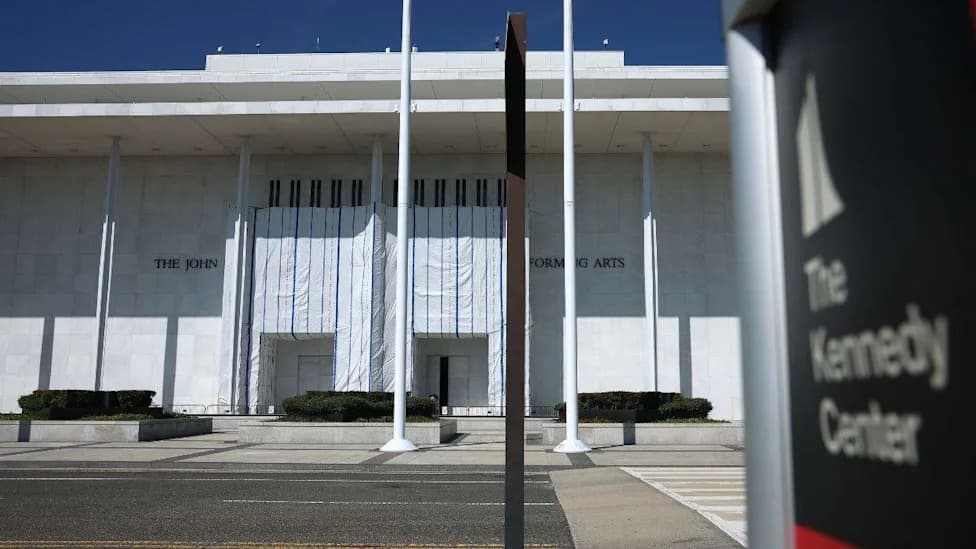
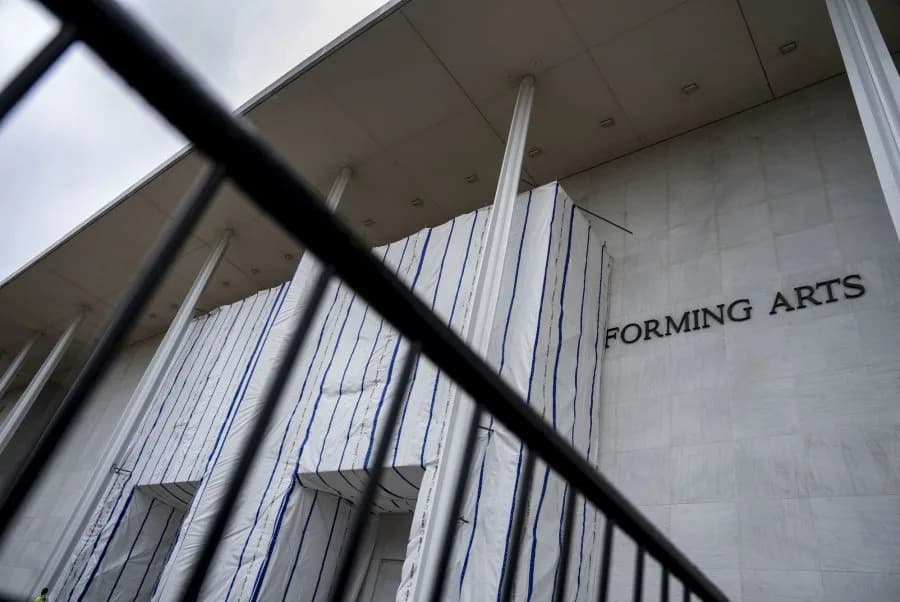
The situation poses practical and constitutional questions: Can a president leverage the power of his office to influence funding for a congressionally chartered nonprofit? How would U.S. courts and Congress respond if the center’s leadership, litigation and federal oversight collided? For now, fences and reduced public tours have given the complex the appearance of a facility bracing for major change; legally and financially, however, the path to demolition or dissolution is anything but straightforward.
Conclusion
This dispute is more than a personal branding fight. It highlights the legal and financial distinctions between private companies and Congress-chartered nonprofits, the transparency required of publicly funded cultural institutions, and the limits of unilateral action when public statutes, audits and preservation laws are involved. Whatever the outcome, the Kennedy Center episode underscores how governance, law and public trust intersect around major American cultural institutions.
Help us improve.