An Illinois judge denied pretrial release for Corie Walsh, ruling she is too dangerous to return home after prosecutors said she threatened family members following the death of her 2-year-old son. The court ordered Walsh, 40, to receive psychiatric medication after defense attorneys said she had gone days without treatment. Forensic psychiatrist Dr. Stephen Dinwiddie said "dangerousness" is a forward-looking, changeable assessment and warned psychosis does not automatically equal violence. Walsh faces three counts of first-degree murder and has not entered a plea.
Judge Keeps Corie Walsh In Custody, Orders Medication; Psychiatrist Says Dangerousness Can Change With Treatment

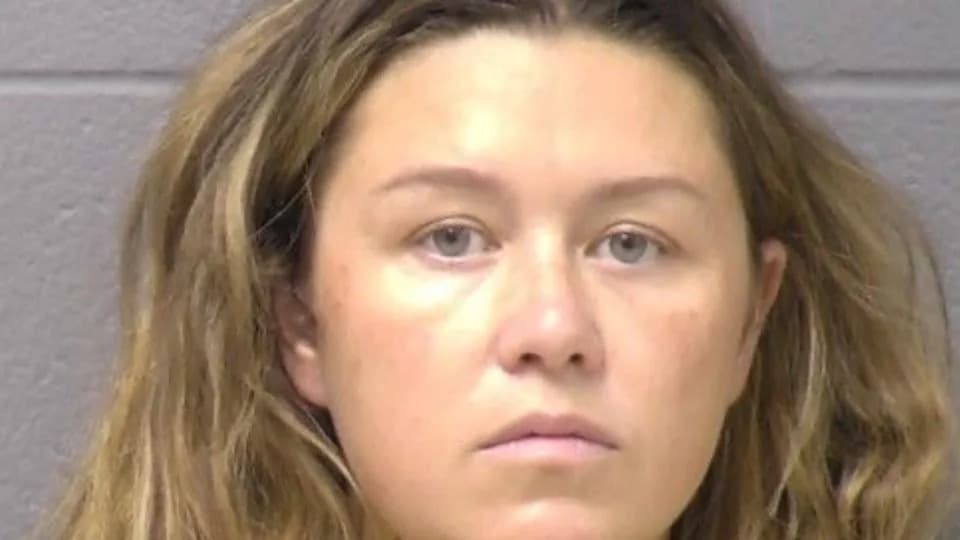
Corie A. Walsh, 38, in a booking photo provided by law enforcement. Prosecutors are asking a judge to deny her pretrial release following the death of her 2-year-old son.
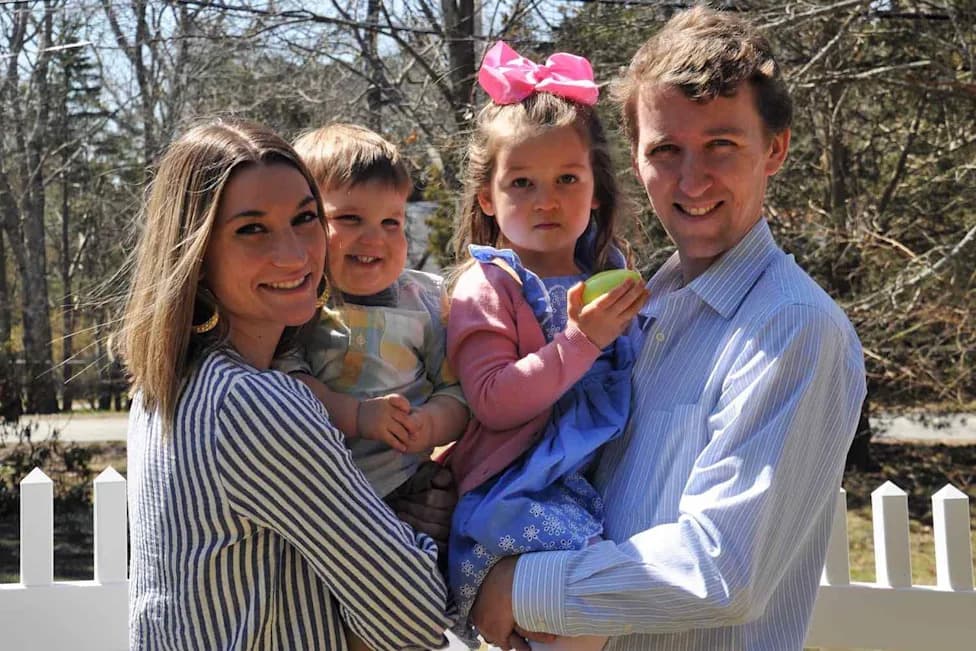
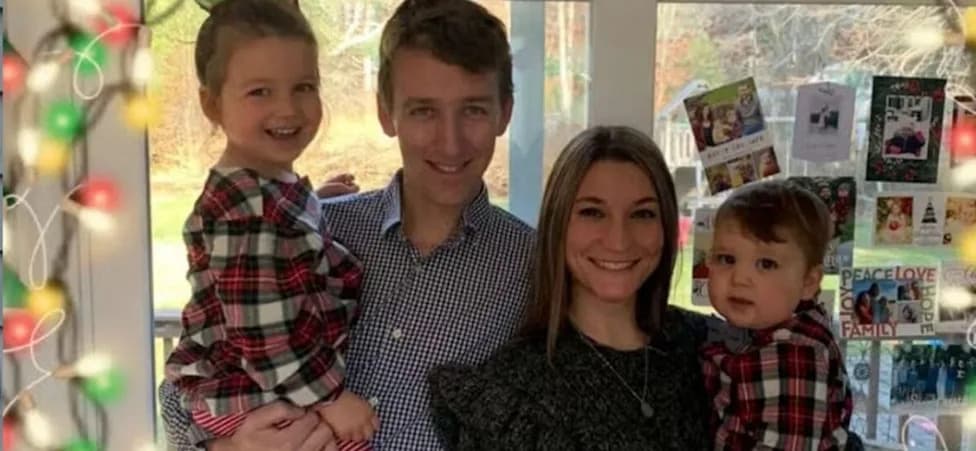
An Illinois judge has denied pretrial release for Corie Walsh, ruling she poses too great a danger to return home while facing charges in the death of her 2-year-old son, Barrett. Prosecutors told the court Walsh threatened her husband and the family's three surviving children after her arrest.
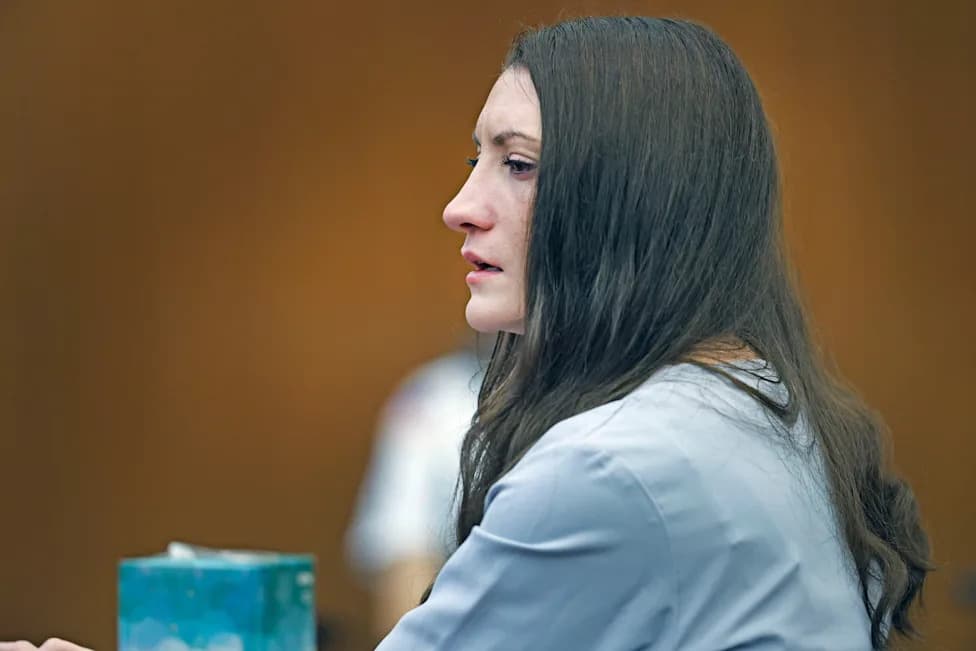
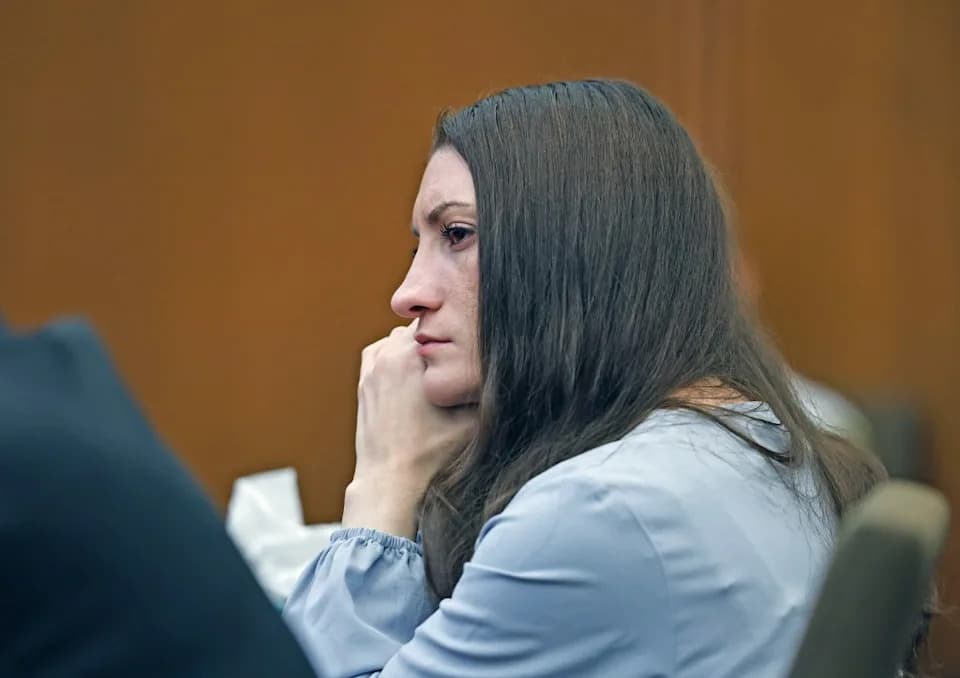
Walsh, 40, remains detained in Will County after a judge denied her request for release at a recent detention hearing. Defense attorneys said she had gone days without psychiatric medication despite a hospital recommendation for continuous psychiatric care; the judge ordered that she receive medication immediately.
Dangerousness Is A Forward-Looking Assessment
Experts in forensic psychiatry emphasize that a finding of "dangerousness" is a prediction about future risk, not an immutable label. Dr. Stephen Dinwiddie, a Northwestern University psychiatry professor with decades of forensic experience, said clinicians and courts evaluate what someone may do going forward.
"Obviously we're talking more about what we're afraid they're going to do tomorrow," Dinwiddie said. "Part of that prediction is based on what they did yesterday ... and what they have said they intend to do."
Dinwiddie acknowledged the uncertainty inherent in these judgments: "It's pretty squishy — dangerous to whom? Imminently or long-term? Physically or otherwise?" He stressed that effective treatment can materially change assessments of risk and that judges may reconsider detention if a defendant's circumstances materially improve.
Psychosis, Rationality And Risk
Dinwiddie cautioned that psychosis alone does not make someone inevitably violent. People experiencing psychosis can still plan and act in organized ways based on delusional beliefs — a phenomenon he described as "rationality within irrationality." He also emphasized that psychotic symptoms are not a choice, and that treatment is the primary intervention to reduce risk.
Legally, Walsh is charged with three counts of first-degree murder in connection with Barrett's death. Prosecutors allege she believed the toddler was the devil and contend she threatened additional family members following her arrest. She has not entered a plea, and the case remains pending.
Note: The judge's current determination about dangerousness affects Walsh's pretrial custody status now, but it does not permanently bar future review if her mental health and risk factors change with treatment.
Help us improve.