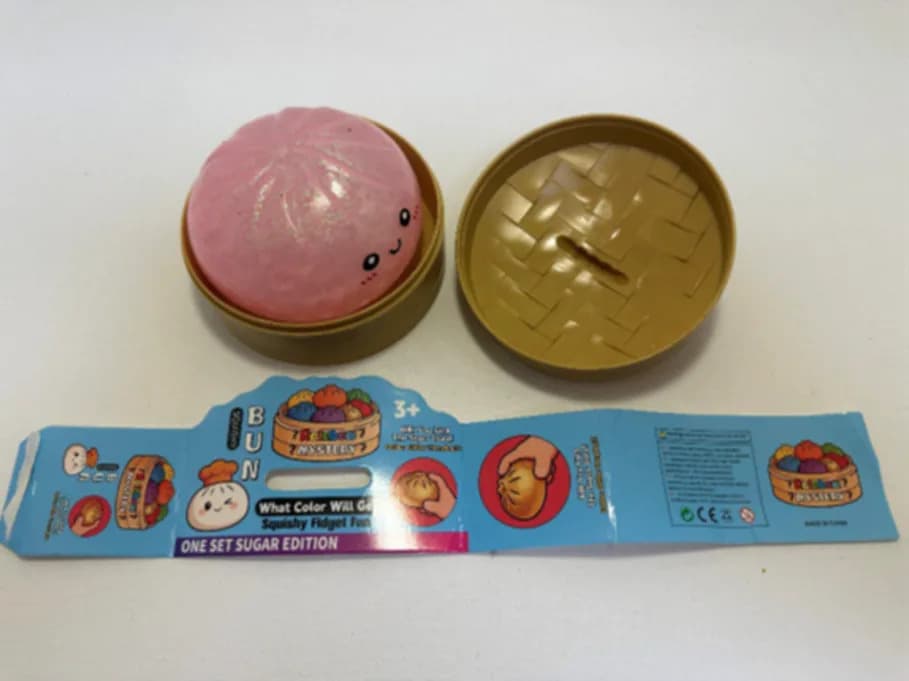
Squishy toys — soft, gel- or slime-filled sensory novelties — have been linked to thousands of consumer reports, with roughly 11,500 calls to poison-control centers since 2024 and a surge of incidents in early 2026. While most exposures were mild and handled at home, some ruptures sprayed hot or chemically irritating fillings that caused burns and eye injuries. Regulators have issued warnings, intercepted shipments, and pursued recalls, but unclear labeling and a flood of low-cost imports make vigilance, proper storage, and avoiding heating these toys essential.
Inside the Squishy Toy Crisis: Explosions, Burns and Thousands of Poison-Control Calls
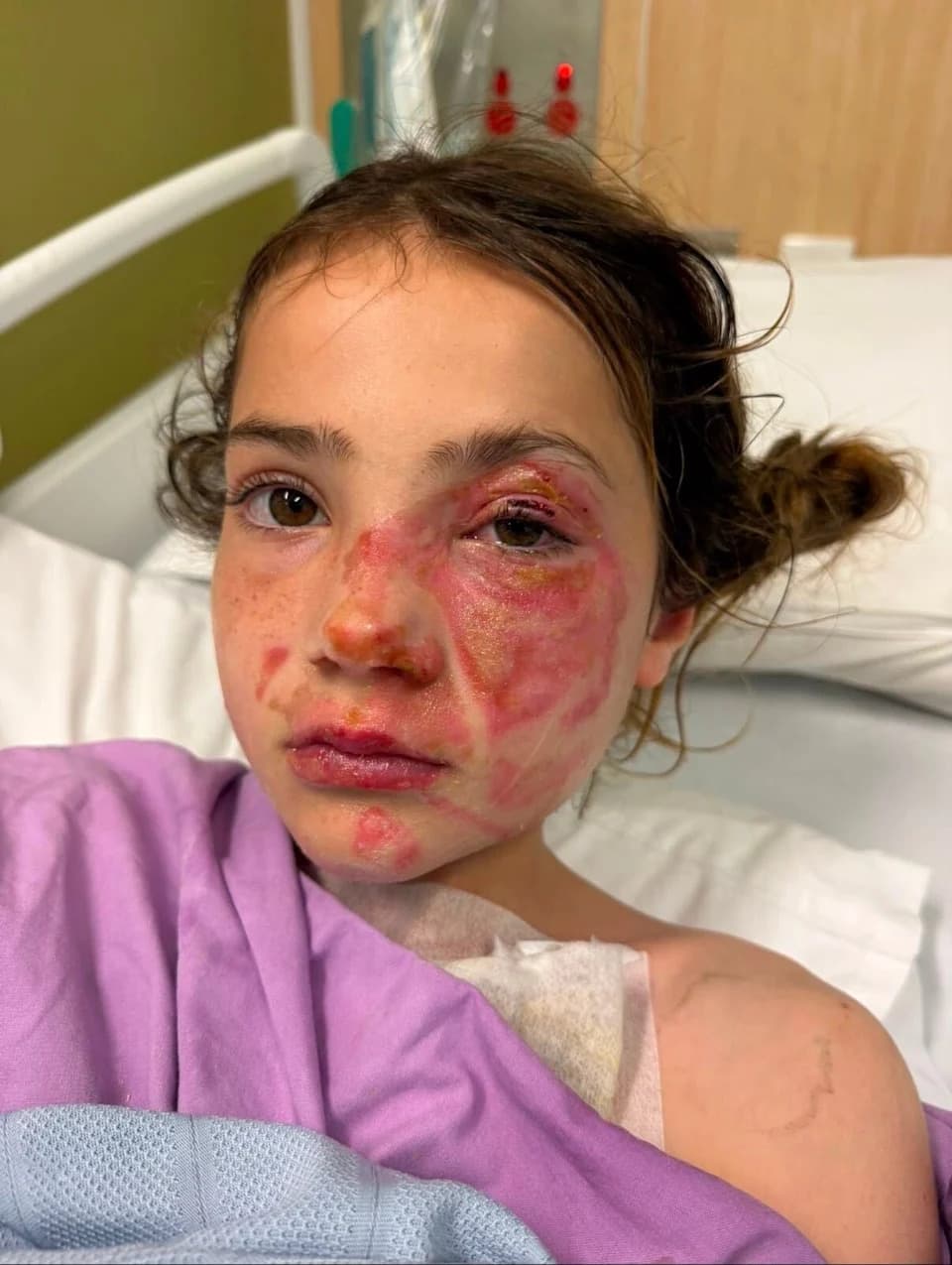
Violet Zerbst, 10, suffered burns on her face and body after a squishy toy exploded.Katie Zerbst
Warning: Some images related to incidents in this story may be graphic. If you suspect poisoning or need immediate advice, contact Poison Help at PoisonHelp.org or call 1-800-222-1222.
What began as a viral, satisfying toy trend has sparked a national safety concern. Squishies — soft, gel- or slime-filled sensory toys shaped like dumplings, fruit, cubes, and other novelty items — have been linked to thousands of consumer reports, multiple hospital visits, and growing regulatory scrutiny after some unexpectedly ruptured, sprayed hot or chemically irritating fillings, or emitted strong chemical odors.
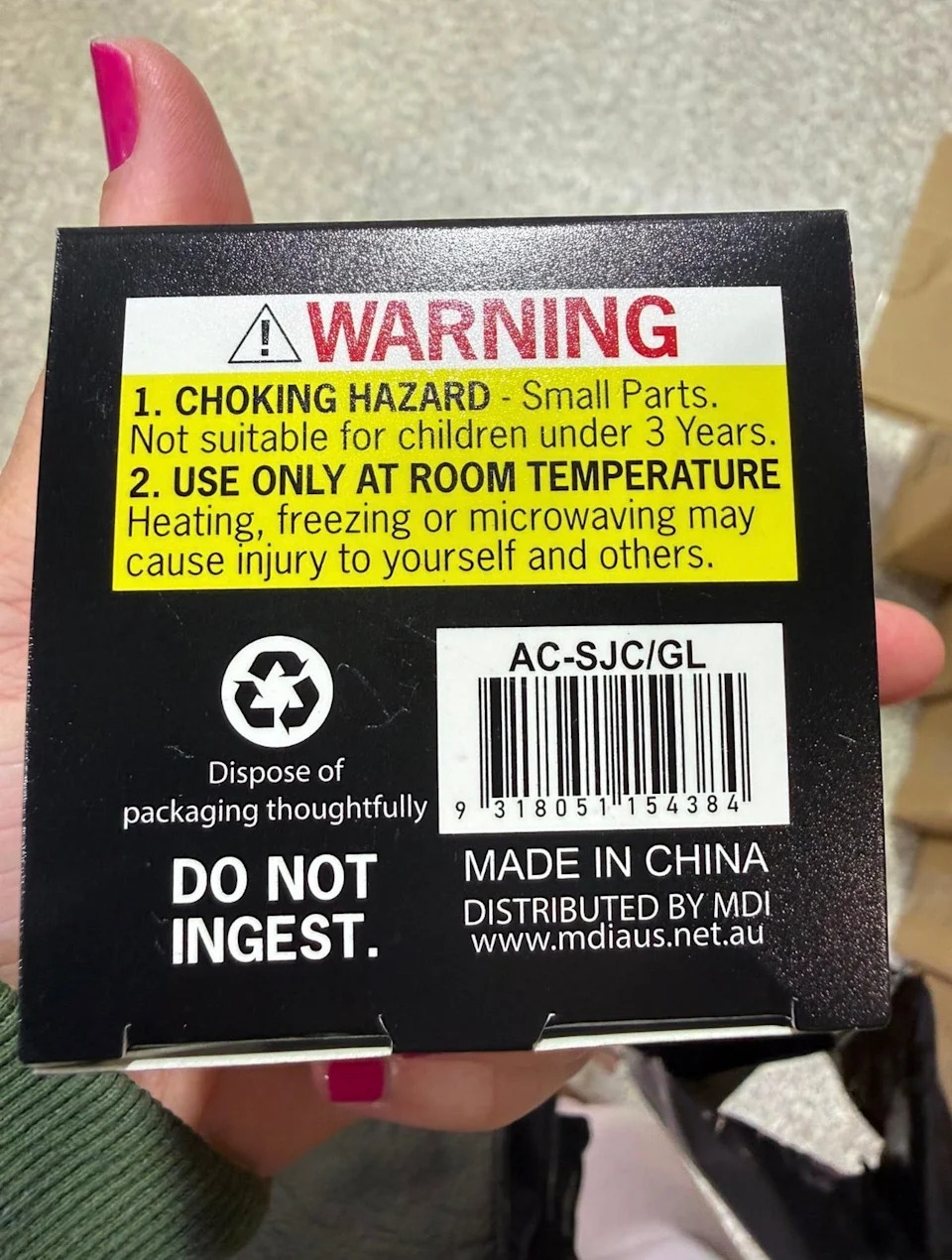
Some squishy toy manufacturers warn on their packaging against heating or freezing the toys.Courtesy of Katie Zerbst
Notable Incidents
In June, 10-year-old Violet Zerbst sustained burns when a glitter-filled squishy she microwaved for about 30 seconds erupted like a small volcano, coating her face in steaming goo and sending her to the emergency room. In another case in Wales, 4-year-old Hudson was sprayed in the face when a discounted dumpling-shaped squishy suddenly popped while being squeezed; he required sedation for repeated eye irrigation at a hospital. These stories are among dozens we reviewed from parents, hospital records, and regulator filings.
How Injuries Happen
Reports describe several common failure modes: heating (from microwaves, hot cars, or sunlight), squeezing or puncture that ruptures an outer shell, and spontaneous failure without obvious external heat. Some victims reported burns from scalding gel; others experienced eye and skin irritation from granular or chemical-filled interiors. In several consumer complaints, toys emitted an acetone- or nail-polish-remover-like odor.

Jodanna Bevan with her three youngest children, ages 12, 6, and 4.Courtesy of Graham Davies
Scope Of The Problem
- America's Poison Centers logged roughly 11,500 reports about squishies since 2024, with more than half of those reports occurring in the first half of 2026.
- Most exposures were mild: Poison Centers say about 85% of cases had no documented signs or symptoms, and 94% were managed at home or outside a healthcare facility.
- Nevertheless, hospital and CPSC records include dozens of serious incidents — burns, chemical exposures, and eye injuries — that required emergency care and follow-up.
Regulatory And Market Issues
The market is fragmented: many squishies are inexpensive imports, sold through third-party online sellers, variety stores, or marketed as adult stress toys or collectibles. U.S. rules require independent testing and certification primarily for products explicitly marketed to children under 13, so manufacturers can sometimes avoid stricter testing by labeling an item "all ages" or as an adult stress toy. That ambiguity complicates enforcement.
The U.S. Consumer Product Safety Commission (CPSC) has issued guidance warning consumers about burn hazards from exposing squishies to heat. The agency and U.S. Customs have intercepted shipments this year — 96 shipments prevented more than 640,000 items from entering the U.S. — and the CPSC has pursued recalls for items with water beads and for at least one product flagged over possible asbestos contamination.
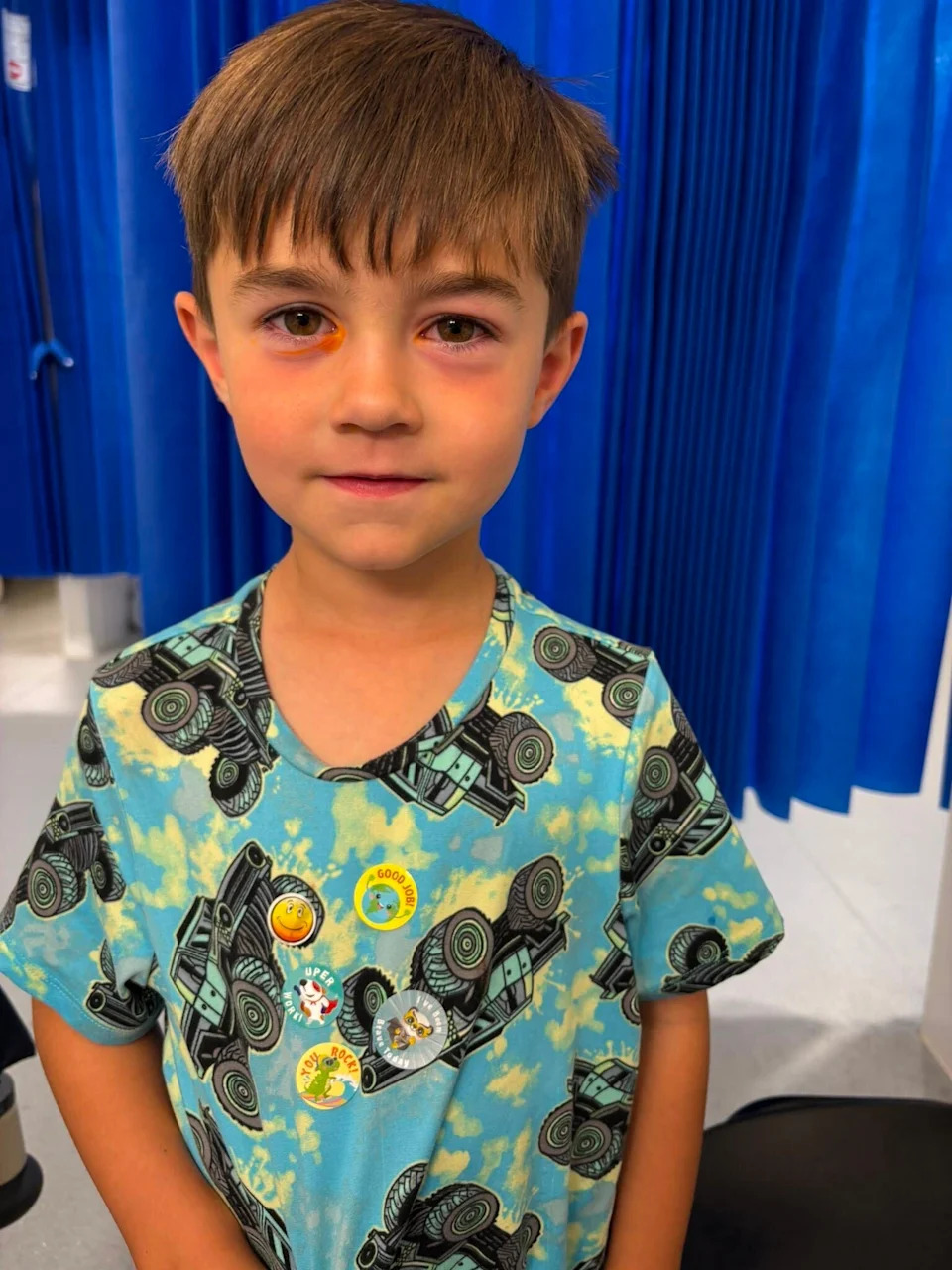
Hudson, 4, had to be sedated for further eye washes.Courtesy of Jodanna Bevan
Lawsuits And Brand Responses
Schylling, maker of the popular NeeDoh line, was named in lawsuits alleging scalding explosions from its Nice Cube product. Schylling has not publicly commented on the litigation. Some reputable manufacturers disclose ingredients and pursue voluntary certification from independent bodies like ASTM International or Underwriters Laboratories; however, many low-cost products lack ingredient labeling or safety documentation.
What Scientists Say About Ingredients
Brands such as NeeDoh say some products contain ingredients like maltose sugar, cornstarch, and polyvinyl alcohol (a polymer often described as non-toxic and also used in glue). Academic research cited in litigation suggests that certain fillings can develop high temperatures yet feel deceptively cool inside a soft polymer shell — creating a risk that very hot gel could be released suddenly and cause scalding.
Practical Safety Advice
- Do Not Heat Squishies. Microwaving or deliberately heating these toys is dangerous and has been linked to severe injuries; the CPSC labels heating as improper and hazardous use.
- Keep Out Of Cars And Hot Sunlight. High temperatures in closed vehicles and prolonged sun exposure can damage outer shells and increase rupture risk.
- Supervise Young Children. Keep squishies away from toddlers who might chew or tear them; store toys on a shelf out of reach when not supervised.
- Check Packaging And Certifications. Prefer products with clear ingredient lists and voluntary safety marks (ASTM, UL). Consider discarding low-cost or unlabeled items.
- First-Aid For Exposure: Flush skin or eyes with water and seek medical care for burns, ongoing irritation, or eye exposure. For suspected poisoning, contact Poison Help at 1-800-222-1222.
Conclusion
Squishies remain popular and benign for many children and families, but a small subset of products and incidents have led to serious injuries. The combination of viral social-media trends, inconsistent labeling, and an international supply chain of low-cost knockoffs has made it difficult for regulators and parents to stay ahead of risks. Until clearer labeling, better testing, and broader compliance become widespread, parents and caregivers should exercise caution and follow the safety steps above.
Help us improve.