Overview: Aileen Wuornos confessed to killing seven men in Florida in 1989–1990 and was convicted of six murders. She claimed the shootings were acts of self-defense after alleged sexual assaults, but juries sentenced her to death. After a decade on death row and failed appeals, she was executed by lethal injection on October 9, 2002. Her story has been dramatized in film and documentary, sparking ongoing debate about trauma, mental health, and capital punishment.
After Confessing to Seven Murders: What Happened to Aileen Wuornos?
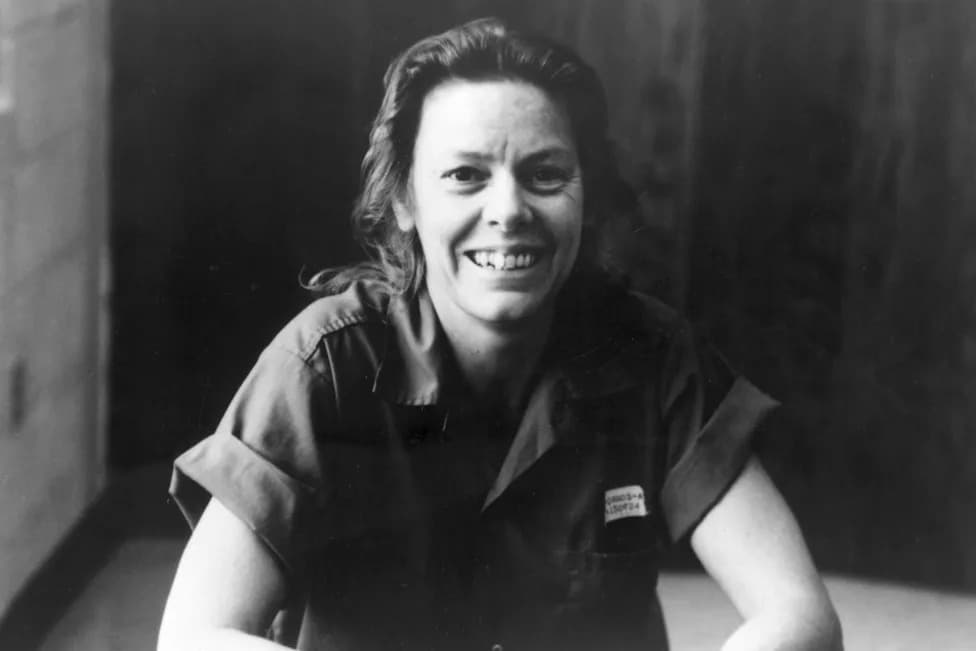
Aileen Wuornos.Credit: Strand Releasing/ Courtesy of Everett Collection
Aileen Wuornos confessed to killing seven men in Florida between late 1989 and 1990. Her case—marked by a troubled childhood, a career as a sex worker, disputed claims of self-defense, multiple convictions and a highly publicized execution—has remained a subject of public fascination and ongoing debate.
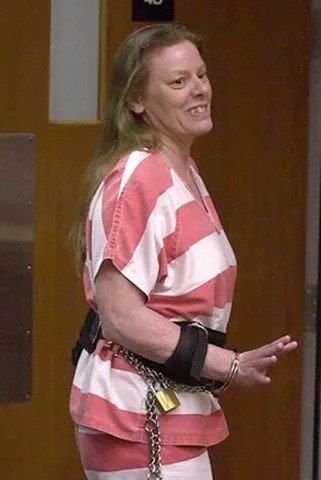
Aileen Wuornos in the Marion County Judicial Center on Feb. 22, 2001 in Ocala, Fla.Credit: Doug Engle/AP Photo
Early Life and Background
Born in 1956 in a Detroit suburb, Wuornos experienced a chaotic upbringing. Her parents separated before her birth and she was raised in part by her grandparents. She later described severe physical and sexual abuse during childhood. At 15 she gave birth to a son who was put up for adoption; she dropped out of school and eventually supported herself through sex work.
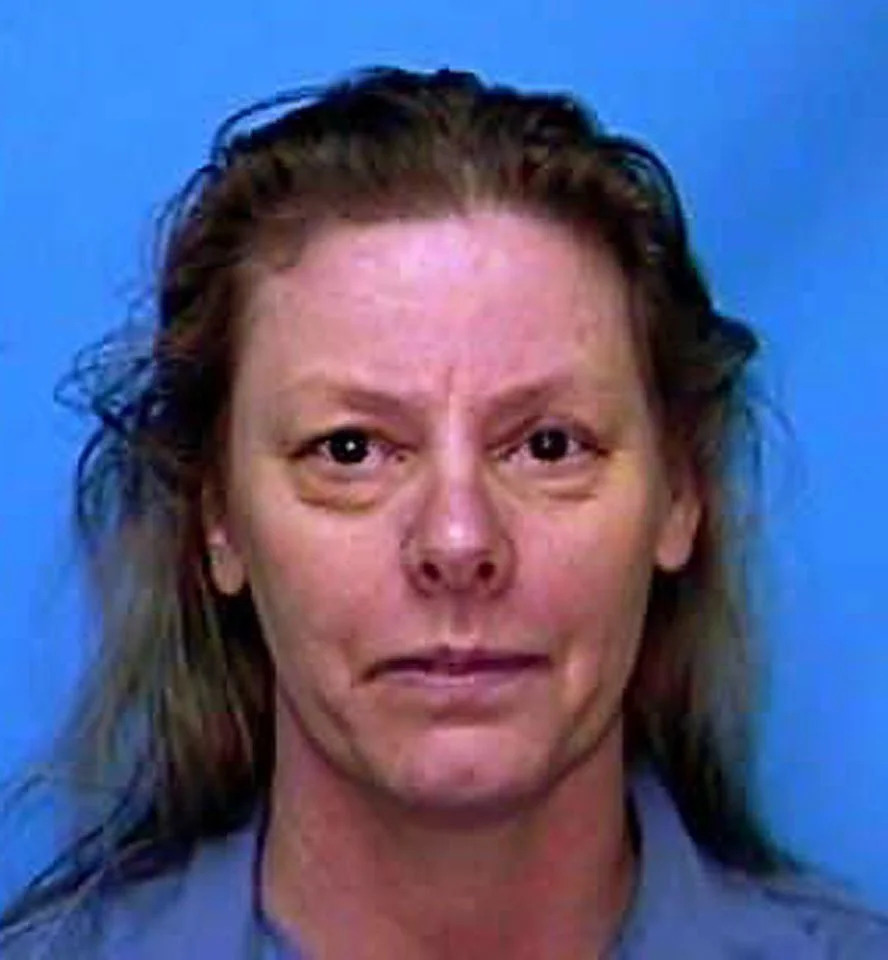
Aileen Wuornos is shown in this undated photograph from the Florida Department of Corrections.Credit: Florida DOC/Getty
The Murders and Investigation
Working along Florida highways, Wuornos said she shot seven men between 1989 and 1990. She later told authorities that the killings were committed in self-defense after the men raped or tried to rape her. Investigators linked her to the cases after a palm print was matched to an abandoned car belonging to one missing man, Peter Siems. She was arrested on January 9, 1991, at a biker bar on an outstanding warrant; her then-partner, Tyria Moore, cooperated with police and secured a confession.
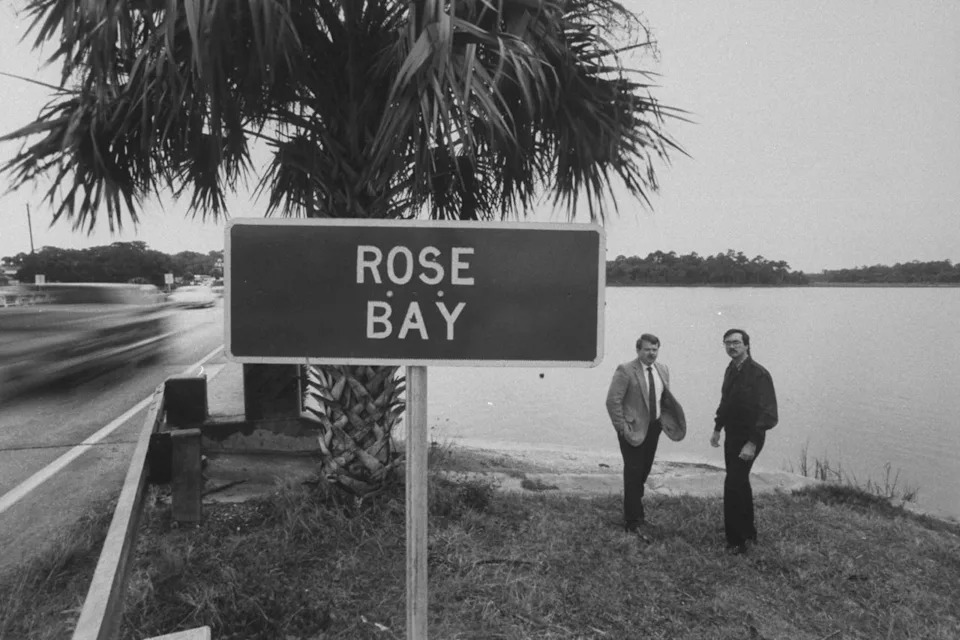
Investigators Bob Kelley and Larry Horzepa were by the Rose Bay sign, where Aileen Wuornos told them she threw away the gunCredit: Acey Harper/Getty
Trials, Convictions and Sentences
Wuornos confessed to seven killings but was tried and convicted for six murders; prosecutors did not charge the Siems case because his body was never recovered. Her first trial, for the killing of Richard Mallory, began in January 1992. She was convicted of first-degree murder and received a death sentence. Over the following months she pled or pleaded no contest to the other cases and accumulated a total of six death sentences by early 1993.
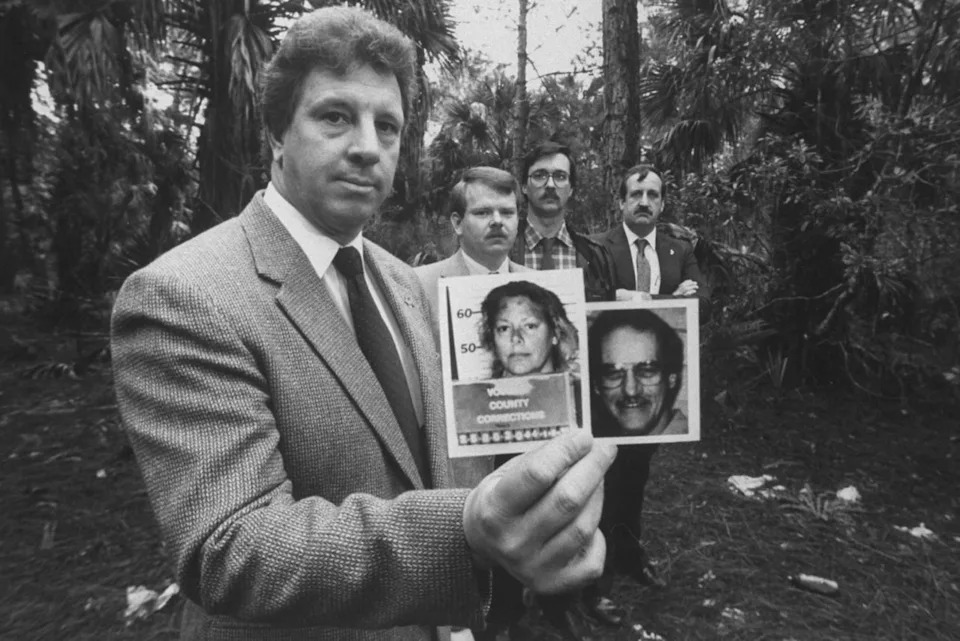
Investigators Richard Vogel, Bob Kelley, Larry Horzepa and Jake ErhartCredit: Acey Harper/Getty
Contested Motives and Appeals
Throughout custody and during media interviews, Wuornos gave varying accounts of her motives—alternately insisting she had acted in self-defense, admitting guilt, or claiming inconsistent reasons for the killings. She pursued appeals to the Florida Supreme Court and the U.S. Supreme Court, but those efforts failed. Filmmakers and journalists later explored whether her statements were affected by abuse, mental illness, coercion, or a desire to hasten her execution.
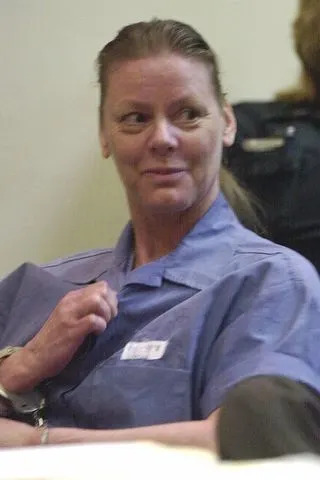
Convicted serial killer Aileen Wuornos waits to testify in the Volusia County courthouse on July 20, 2001 in Daytona Beach, Fla.Credit: Peter Cosgrove/AP Photo
Execution and Legacy
After roughly a decade on death row, Aileen Wuornos was executed by lethal injection on October 9, 2002, at Florida State Prison. Her last reported words included a religious image and a cryptic reference to the film Independence Day. The case continues to prompt discussions about violent crime, capital punishment, the treatment of marginalized women in the criminal-justice system, and how trauma and mental health intersect with criminal behavior.
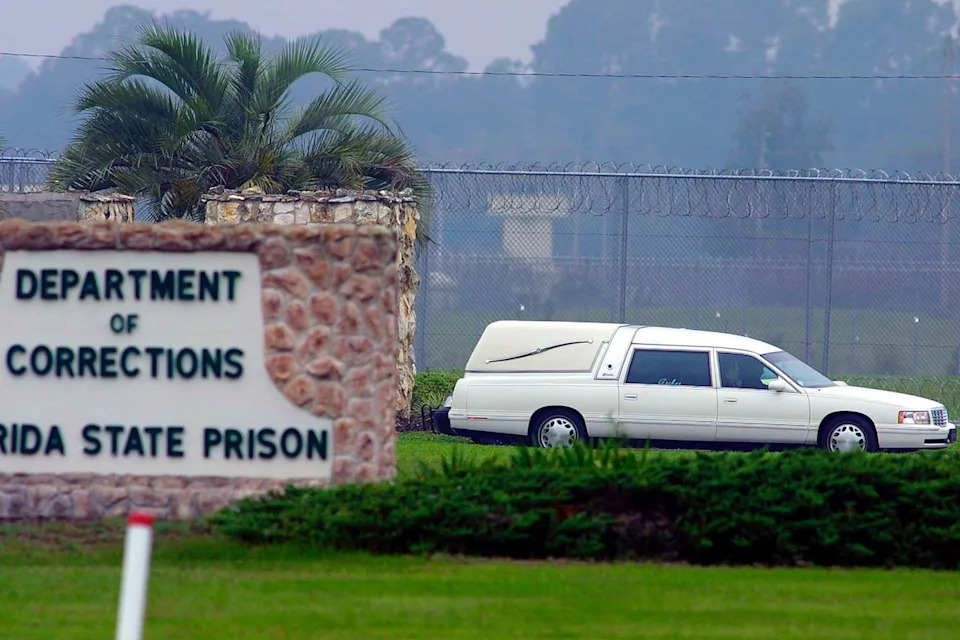
The hearse carrying the body of convicted killer Aileen Wuornos leaves the Florida State Prison following her execution by lethal injection Oct. 9, 2002, in Starke, Fla.Credit: Chris Livingston/Getty
Cultural Portrayals
Wuornos' life and crimes have been dramatized and reexamined in multiple films and documentaries. The 2003 feature film Monster, starring Charlize Theron as Wuornos, won Theron an Academy Award for Best Actress. Documentaries and television projects have continued to revisit the case, examining evidence, trial decisions and questions about her motives and mental state.
Note: This article aims to summarize verified public records and major reporting about the case. Some details—especially personal statements and media depictions—reflect contested accounts and should be read in context.
Help us improve.