The war with Iran has created deep rifts within the Washington-area Iranian-American community, straining friendships and family ties. While most expatriates oppose Iran's clerical rulers, opinion is divided over whether US-led military action can end 47 years of clerical rule. Polling shows diaspora opposition rose to 66.1% a month after the conflict began, even as a vocal minority remains committed to the intervention. Cultural organizations and individuals report growing social pressure to take sides.
War Over Iran Splits Washington-Area Iranian-American Community, Straining Families and Cultural Groups
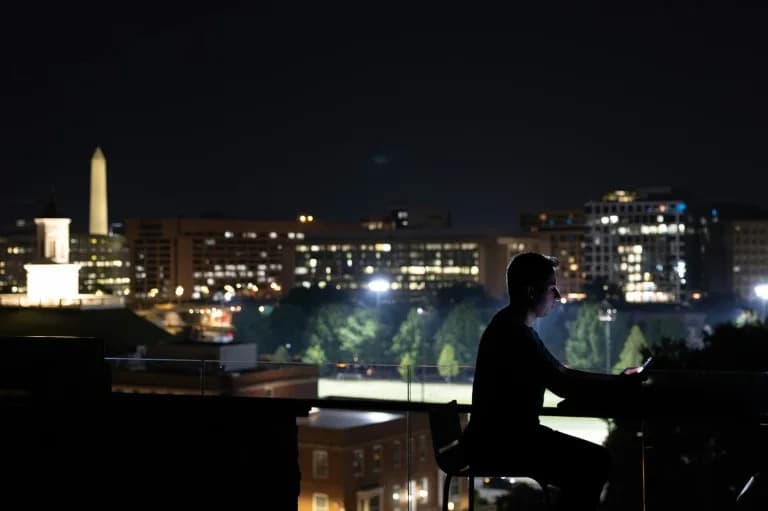
Soroush, an Iranian immigrant in Washington, says he has lost longtime friends because of political disagreements over the US war on Iran (Amid FARAHI)
Seven months into the war with Iran, Iranian-Americans around the Washington, D.C., area report friendships and family ties being strained or severed as the diaspora grapples with whether external military action can bring change at home.
The roughly 750,000-strong Iranian community in the United States remains broadly hostile to Iran's clerical rulers, yet deep divisions have opened over strategy: some support the US-led intervention as a means to topple the regime, while others warn that war will inflict further suffering on ordinary Iranians and fail to deliver political change.
No Other Solution, Say Some
Soroush, a 3D artist and animator who emigrated about a decade ago, told AFP he has been pushed away by friends and family after publicly opposing the war. "People in Iran are the ones who will lose friends, jobs and savings," he said, arguing that past US wars in the Middle East demonstrate the costs of military interventions.
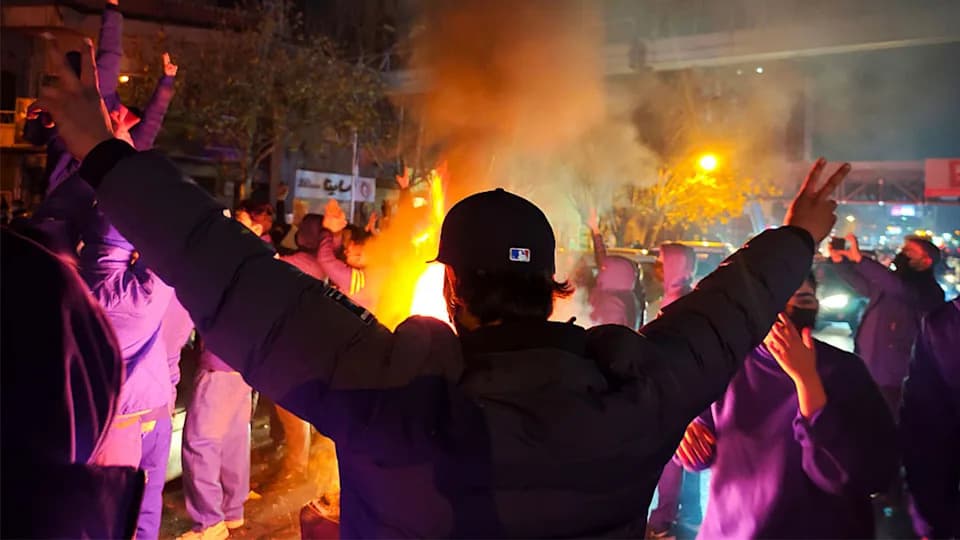
By contrast, Bahar, a medical worker, and Aahoo Sigarchi, a banker and Reza Pahlavi supporter, say the January 2026 killing of protesters by Iranian security forces made stronger action necessary. "We are speaking words that people inside Iran cannot say," Aahoo said, adding: "To be realistic, we have no other solution."
Polling And Polarization
Polling commissioned by the National Iranian American Council, an advocacy group opposed to the war, indicates diaspora support fell rapidly: while attitudes were roughly split near the outset, a follow-up poll a month later found 66.1% opposed the war and 32.7% in favor. Observers say those numbers reflect a broader erosion of enthusiasm for externally driven regime change, though a committed minority has become more entrenched.
Community Pressure And Cultural Fallout
Sahar Razavi, director of the Iranian and Middle Eastern Studies Center at California State University, Sacramento, says the conflict has amplified pre-existing tensions. Community organizations that run Farsi classes, poetry readings and cultural programs have faced pressure to take public positions, and some individuals report social ostracism for their views.
"Family relationships have been strained or broken...Even lifelong friendships have ended over this,"
said Razavi, describing how the war exacerbated rifts already present in the diaspora.
Personal Costs And Long-Term Questions
Mohammad Reza Mousavi, a former Tehran-based journalist who opposes both the regime and the war, said supporters can be intolerant of disagreement: "They can label you very easily with whatever they want if they realize that you're not with them in every respect."
As the community navigates these divides, some have moved to withdraw their children from cultural programs or curtailed public participation, while others double down on activism. The debate raises broader questions about who gets to speak for people inside Iran and what strategies—external pressure, sanctions, military action, or internal protest—are most likely to produce meaningful democratic reforms.
Reporting based on interviews with Iranian-Americans around Washington and commentary from community scholars and journalists.
Help us improve.