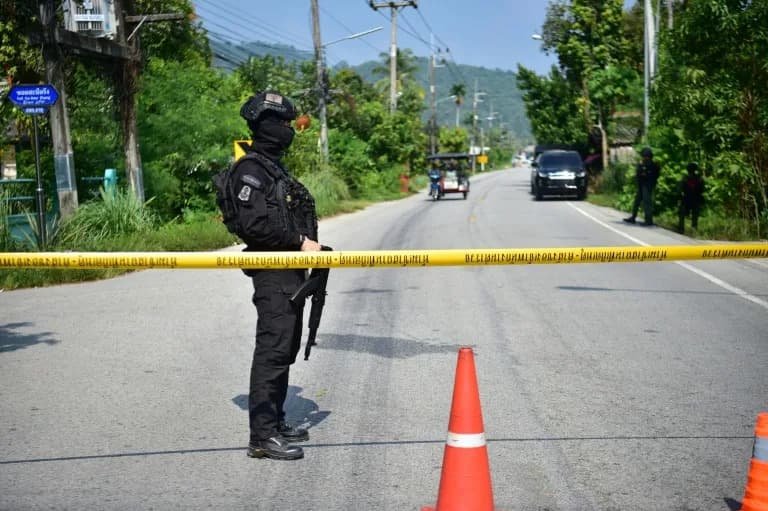
Nikmatullah Seri, spokesman for the BRN peace delegation, told AFP the Malay-Muslim separatist movement in southern Thailand will keep fighting until it achieves independence. Malaysia has mediated talks between Bangkok and the BRN since 2013, but negotiations stalled after a July attack that killed five soldiers. The BRN proposes a five- to ten-year transitional self-government enforcing sharia for Muslims before holding democratic elections, while Thailand emphasizes development, security and dialogue.
BRN Says Fight Will Continue Until Independence As Malaysia-Mediated Talks Stall
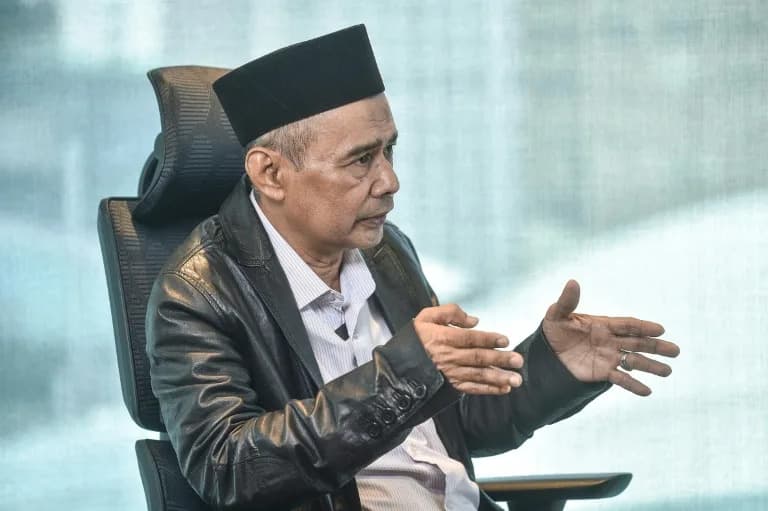
Nikmatullah Seri, spokesman for the Barisan Revolusi Nasional (BRN) peace negotiation delegation (Arif Kartono)
Two decades into an intensifying insurgency in southern Thailand, Nikmatullah Seri, the spokesman for the Barisan Revolusi Nasional (BRN) delegation to peace talks, told AFP that the separatist campaign will press on until its goals are achieved.
Key Pledge From BRN
"This struggle will continue until the end of time," Nikmatullah said in a rare interview in Kuala Lumpur. "As long as our objectives remain unachieved, we will continue to fight."
The BRN has pursued an independent Islamic polity in Thailand's predominantly Malay-Muslim southern provinces since the 1960s; the current wave of violence dates from 2004. Independent monitors such as Deep South Watch estimate more than 7,000 people — including militants, security personnel and civilians — have been killed since 2004.
Proposed Transitional Self-Government
Nikmatullah described a BRN proposal for a transitional period of five to ten years in which the movement would govern the region, with administration carried out by sharia police and courts applying Islamic law for Muslim residents. He said the BRN would then hand authority back to the population to choose democratically.
Negotiations, Setbacks And Security Measures
Thailand and the BRN have conducted Malaysia-mediated talks since 2013, but the process has repeatedly stalled. Bangkok suspended formal dialogue in July after an attack that killed five soldiers. Thai officials say the government remains committed to a three-pronged approach: socio-economic development, maintenance of security and continued peace dialogue.
Since 2005, the southern provinces have been governed under special security laws that allow detention without charge and the imposition of curfews — measures criticised by rights groups. Nikmatullah said BRN fighters recorded roughly 1,000 combatant deaths over the past two decades and insisted that "warfare was a last resort" and that their targets are state forces rather than civilians.
Back-Channel Prospects And Malaysia's Role
Nikmatullah suggested that talks have been hampered by a temporary absence of a Malaysian mediator and that the BRN could pursue back-channel negotiations with Thailand as early as October. Malaysian officials say appointment of a new mediator is under consideration, while emphasising respect for Thailand's sovereignty and a priority on a peaceful settlement.
Observers say the conflict is rooted in historical grievances: the southern provinces were once part of the Patani sultanate before incorporation into what became modern Thailand. Both sides face difficult choices: reconciliation and political accommodation on one hand, and persistent violence and heavy-handed security on the other.
"This is not a short-lived struggle. It will take a long time," Nikmatullah concluded, underscoring the protracted nature of the dispute.
Help us improve.