China has added Charlotte Brontë's Jane Eyre to compulsory reading for younger teens, with state media saying the novel promotes sincere love and counters social-media-driven values centered on wealth and appearance. The move comes amid a regulatory push against sensational online romance content and broader textbook revisions emphasizing party-aligned values. Parents and scholars have welcomed opportunities for moral education but warned that the novel's dated or problematic themes require critical classroom discussion.
China Turns to Jane Eyre: Classic Added To Teen Curriculum As A Lesson On Love
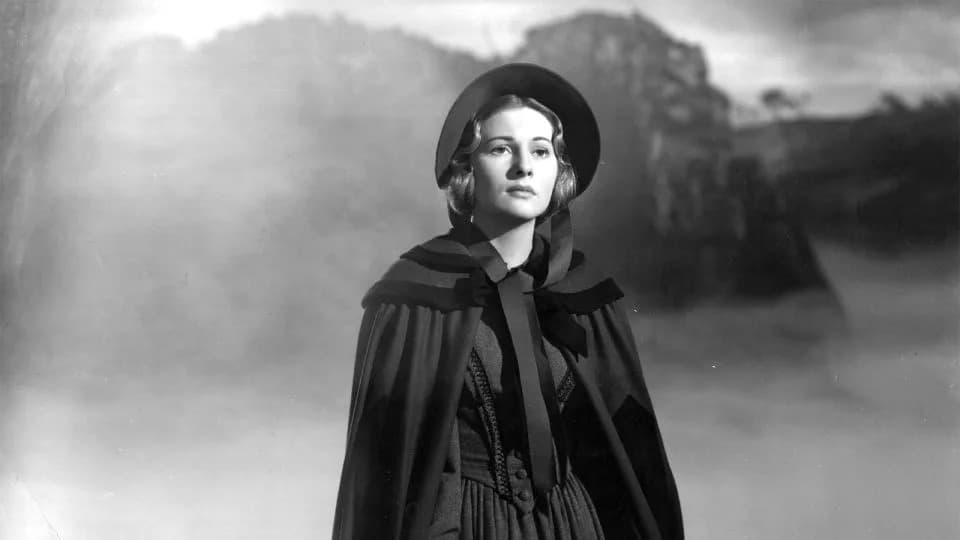
Joan Fontaine appears in the film 'Jane Eyre', adapted from the novel by Charlotte Bronte in 1944. - Hulton Archive/Moviepix/Getty Images
When students returned to school across China earlier this month, one entry on the new compulsory reading list drew widespread attention: Charlotte Brontë's 19th-century novel Jane Eyre. State media said the Victorian coming-of-age story has been added to teach young teenagers about sincere, grounded love as a corrective to social-media-driven values that emphasize wealth and appearance.
Why Officials Chose Jane Eyre
The state-run Beijing Daily argued that Jane Eyre offers a counterbalance to 'superficial notions about appearance and wealth' that proliferate in online fiction and short dramas. Authorities and education officials present the novel as an example that can help roughly 14-year-old students develop healthier attitudes toward relationships during an impressionable stage of emotional development.
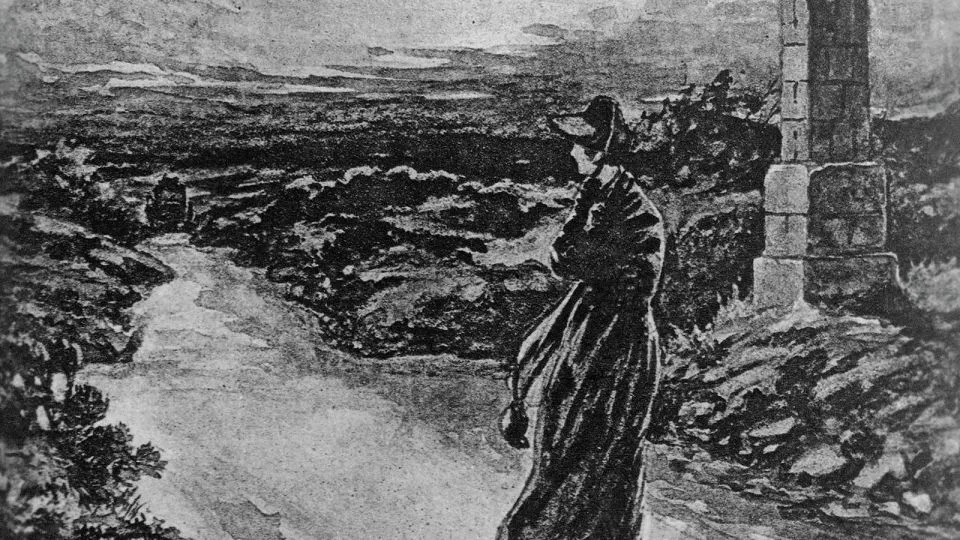
Jane at Whitcross, Chapter XXVIII, illustrated frontispiece by H S Greig for Jane Eyre, Bildungsroman by Charlotte Bronte (1816-1855), published by J M Dent and Company, 1896, London. - DEA Picture Library/De Agostini Editorial/Getty Images
Reactions: Praise, Doubts and Debate
Reactions have been mixed. Some educators and recent graduates welcome the move as an opportunity to broaden moral and emotional education beyond exam-focused learning. Qin Shiwen, a recent Chinese literature graduate in Beijing, told reporters that while basic education emphasizes academic achievement, it often neglects guidance on love and character development.
Other voices urged caution. Some parents questioned whether adolescents raised in relatively comfortable conditions can fully relate to the novel's 19th-century social realities and intense emotional stakes. One parent wrote on the social platform Xiaohongshu that her son wondered whether assigning Jane Eyre might teach girls to let love govern their reasoning; he also questioned why Jane ends up with a man who later loses his sight, calling the relationship hard to justify from a modern perspective.

Portrait of Charlotte Brontë (1816 - 1855), painting by Alonzo Chappel. Vintage etching circa 19th century. - powerofforever/Digital Vision Vectors/Getty Images
Scholars flagged additional concerns. Yan Hairong, a sociology scholar at Tsinghua University, highlighted the problematic depiction of the 'mad woman in the attic' and pointed to colonial undertones in the text. Yan warned that presenting the novel uncritically at the middle-school level risks students absorbing troubling themes without sufficient analysis.
Context: Curriculum Revisions and a Crackdown on Online Content
The textbook update is part of broader revisions to align school materials with values promoted by the ruling Communist Party. Recent changes emphasize party history, Chinese moral education and elements of Xi Jinping Thought on Socialism with Chinese Characteristics. In June, the country's broadcasting regulator launched a campaign to curtail what it called 'harmful and lowbrow' online content that promotes distorted views of relationships and marriage — a cultural backdrop for including literature that models different relationship values.
Jane Eyre in China: A Long History
Jane Eyre has enjoyed a long reception in China since it first appeared there in 1925. It has been translated, republished and adapted for stage and screen many times; a British film adaptation screened in China in 1979 after the Cultural Revolution. The heroine's assertion that poverty and obscurity do not make her soulless resonated historically with working-class and anti-repression readings in China, helping the novel gain official acceptability.
Do you think, because I am poor, obscure, plain and little, I am soulless and heartless? You think wrong.
What This Means
Including Jane Eyre in mandatory reading signals a desire to shape character education and counter particular contemporary media influences. At the same time, it raises questions about how classic literature with complex, dated, and sometimes troubling elements should be taught to young readers. Educators will need to pair the novel with critical discussion so students can appreciate its literary and historical significance while interrogating its problematic aspects.
Help us improve.