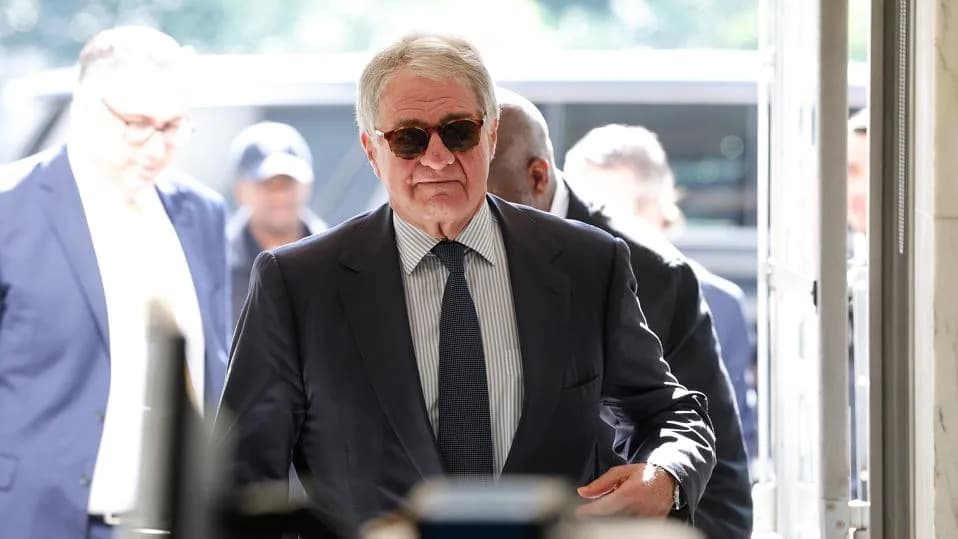
Rep. James Comer introduced the Survivor's Voice Protection Act, a bill that would void nondisclosure clauses that silence victims of sexual abuse and impose a duty to report suspected grooming of minors. The bill was announced after the House Oversight Committee unanimously voted to hold Leon Black in contempt for refusing to hand over NDAs tied to Jeffrey Epstein. Black has sued the committee, arguing the subpoenas lack a valid legislative purpose. Many states have limited NDAs related to sexual abuse, but no federal ban yet exists.
Comer Proposes 'Survivor's Voice' Bill to Void NDAs After Epstein Probe; Leon Black Held in Contempt
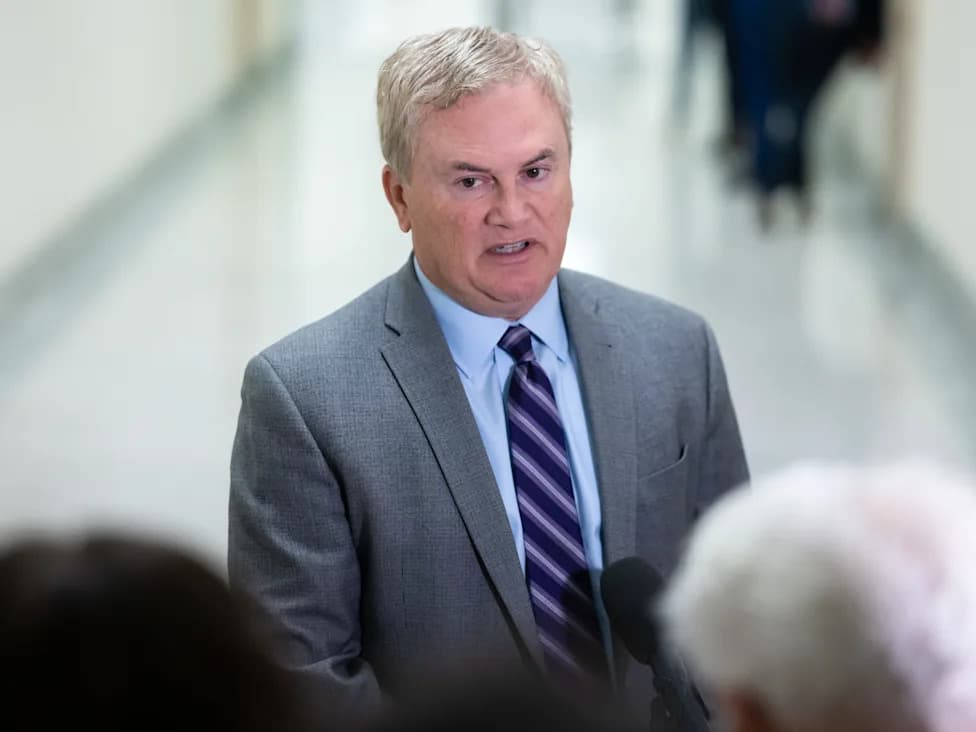
Rep. James Comer, who chairs the House Oversight Committee, proposed a bill that would void NDAs silencing sexual assault victims.Bloomberg/Getty Images
Rep. James Comer introduced the Survivor's Voice Protection Act to allow survivors of sexual abuse to void nondisclosure agreements that silence them and to create new duties to report suspected grooming of minors.
The announcement came a day after the House Oversight Committee, which Comer chairs, unanimously approved a resolution to hold financier Leon Black in contempt of Congress for refusing to turn over nondisclosure agreements (NDAs) requested in the committee's investigation of Jeffrey Epstein and his network.
What the Bill Would Do
The Survivor's Voice Protection Act would nullify NDA provisions that bar victims of sexual abuse from disclosing their experiences or that prevent third parties from revealing facts related to alleged abuse. The legislation would also establish a fiduciary duty on certain individuals to notify law enforcement when they suspect sexual grooming of minors.
Investigation and Subpoenas
In June, the Oversight Committee issued two subpoenas to Leon Black after he declined to answer questions about NDAs during a closed-door interview about his interactions with Epstein. Black — who has acknowledged giving more than $150 million to Epstein for what he described as financial services — walked out of that voluntary session. This month he filed suit against the committee instead of complying; one subpoena sought production of NDAs and the other sought testimony under oath.
Context and Reporting
Business Insider reported earlier this year that some of Epstein's accusers signed confidential settlements with friends of Epstein who were also accused of misconduct; sources said those settlements included NDAs. One source said they had direct knowledge of settlements with four of Epstein's acquaintances who were accused by more than 20 women combined.
Jeffrey Epstein died in 2019 while awaiting trial on federal sex-trafficking charges. Ghislaine Maxwell was convicted in 2021 and sentenced to 20 years in prison for her role in trafficking girls to Epstein.
Responses
Comer said the bill responds to evidence that powerful people used NDAs to silence survivors. "During our investigation, we've learned how powerful men weaponized nondisclosure agreements to silence survivors of sexual abuse," Comer said in a statement.
Black has denied knowing about Epstein's abuse and argued in his lawsuit that the committee lacked a "valid legislative purpose" for what his lawyers call "such a sweeping and intrusive subpoena served upon a private citizen." His attorneys described the committee's resolution as "a complete abomination," calling the subpoenas "illegitimate, illegal, and a textbook abuse of power designed to bully and destroy legal protections of private citizens."
Legal Landscape
People bound by NDAs can still be compelled to testify if served with a subpoena, but they are not required to speak in voluntary congressional interviews. In the wake of the #MeToo movement and reporting on Harvey Weinstein, many U.S. states moved to restrict or ban NDAs that conceal sexual abuse; however, no federal ban currently exists.
The Oversight Committee has not yet scheduled a House vote on holding Black in contempt. Democrats on the committee have not publicly committed to supporting Comer’s bill.
Help us improve.