Last September, Treasury Secretary Scott Bessent phoned Bloomberg News Editor-in-Chief John Micklethwait to object to reporting by Anthony Cormier and Zachary Mider that said Bessent had listed two houses as his “principal residence,” two people familiar with the call told Semafor. Bessent, a former hedge fund founder who has become one of the most prominent figures in President Trump’s economic circle, disputed the accuracy of the reporting and asked for more time and documentation. He warned Bloomberg that running the story could affect his future appearances on the network.
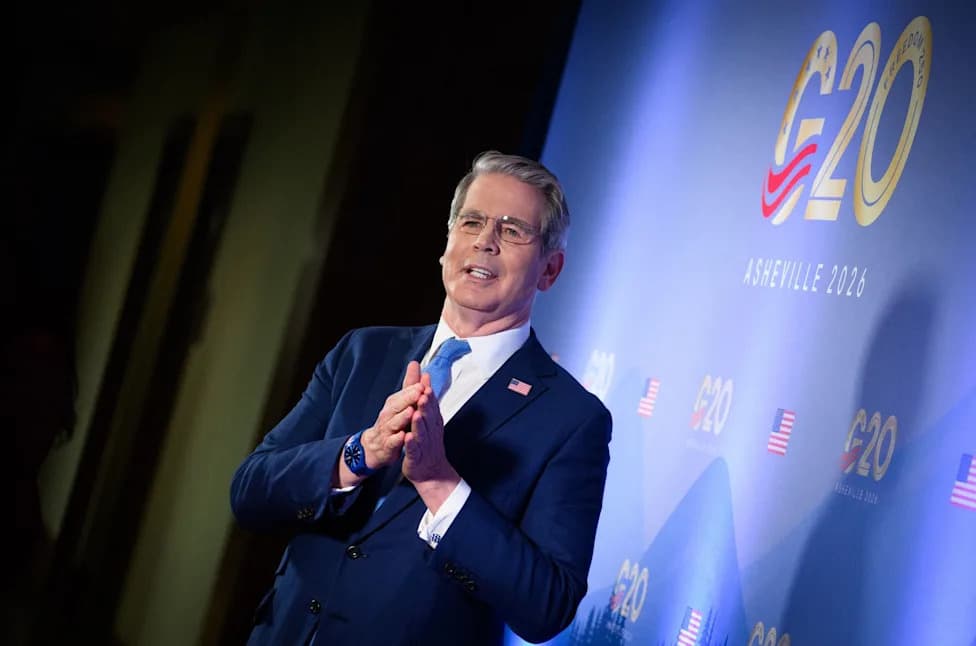
Bloomberg published the story. In the year since, Bessent has largely stopped appearing on Bloomberg Television. Some Bloomberg reporters say they now receive fewer Treasury press releases with key financial details, and several news organizations—including Bloomberg and The Wall Street Journal—reported that certain reporters were denied credentials to join Bessent at a recent G20 finance meeting in Asheville, North Carolina. The New York Times reported similar credentialing exclusions among its staff, though roughly 300 journalists were credentialed overall.
Public Barbs and Private Complaints
Bessent has publicly criticized major outlets in recent weeks. He denounced a Financial Times report about potential changes to Treasury oversight of the Federal Reserve as "tabloid trash for market participants" and called the reporters "pathetic" and "mendacious." He also publicly attacked Nick Timiraos of The Wall Street Journal, calling him among the "stenographers posing as journalists" for what Bessent viewed as weak coverage of monetary policy.
Privately, Bessent and his team have complained directly to reporters and editors and have reportedly excluded some journalists they deemed unfair. That pattern has added to a broader sense of distance between the Treasury secretary and the established financial press corps—a group that typically favors methodical, wonky coverage rather than headline-grabbing confrontation.
Access Changes: Travel, Passes, And Procedures
Journalists say access to the secretary has changed in practical ways. When Bessent traveled to Ukraine in February 2025, most usual Treasury beat reporters were not included; one of the relatively few members of the media on that trip was conservative influencer Jack Posobiec. Reporters also no longer routinely travel on the Treasury plane, a shift officials attributed to aircraft retrofitting and logistics requiring some staff and journalists to fly commercially.
Inside the Treasury building, reporters circulated a draft letter asking communications officials for clarity on hard-pass policies that allow journalists to move through the building and work in designated press areas. While some reporters were told such passes would be restored under a new public affairs officer, others were told they would not receive them. Treasury sources described the situation as a continuation of COVID-era policies and pointed to Secret Service security rules as a factor, including escort requirements for non-U.S. nationals.
Shifting Media Strategy
As relations with some mainstream outlets cooled, Bessent has allocated more time to ideologically friendly platforms such as Right Side Broadcasting, Fox News, and Steve Bannon's programs. He has also spoken at GOP events, quipping about critics: "If some of the Bloomberg Terminal bros are unhappy with me, that's too bad."
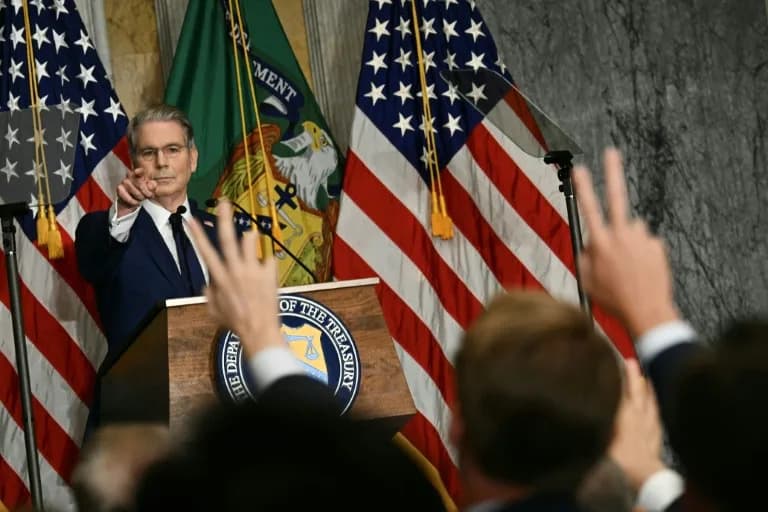
The Treasury press office defended the secretary's engagement record, noting that Bessent has held hundreds of media appearances and that some 300 reporters were credentialed for the recent G20 event. A spokesperson told Semafor that the department aims to engage outlets focused on policy rather than "palace intrigue."
Implications
Several media figures told the author that a contentious relationship between the Treasury secretary and the financial press could be risky in a serious economic emergency, when rapid, broad distribution of official information matters. The article's author remained skeptical that routine frictions would prevent critical information from getting out in a true crisis, while noting that Bessent's impatience with parts of the media mirrors his frustration with market actors who do not follow his directions.
Treasury Statement: "Secretary Bessent came to Washington with the sole focus of advancing President Trump's agenda for the American people. He has consistently made himself available to reporters across the political spectrum and has conducted hundreds of media engagements, demonstrating a historic level of transparency."
Steve Bannon, who supported Bessent's nomination, called him "the finest Treasury Secretary since Alexander Hamilton." Whether Bessent's standoff with key financial outlets will have long-term consequences for transparency, market functioning or press access remains an open question.