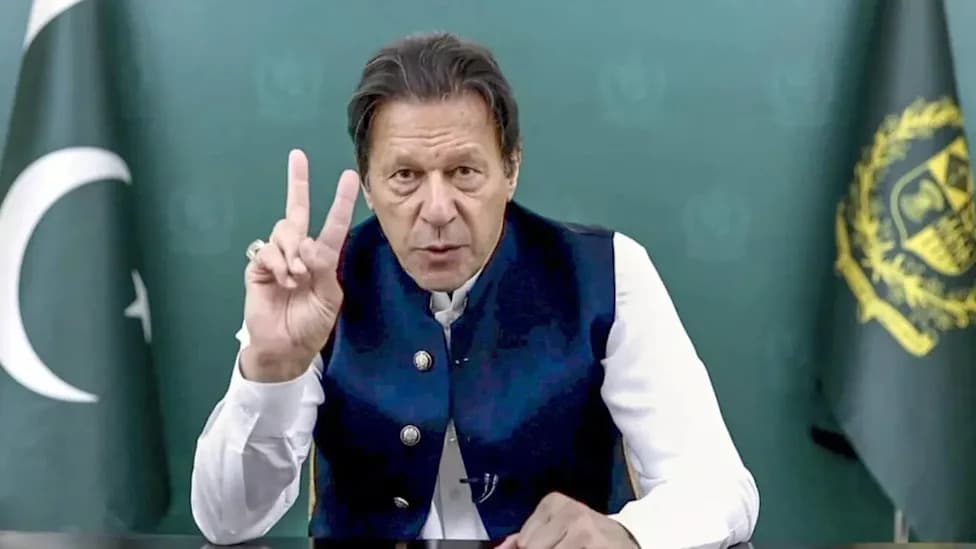
Imran Khan — former cricket captain and Pakistan's prime minister from 2018 to 2022 — is reported to be confined in a 6ft-by-8ft cell at Adiala Prison and kept in near-total solitary confinement. His family says his health is failing, including the loss of about 85% of his eyesight. Khan is serving a 14-year sentence after a corruption conviction and faces more than 100 legal cases; human rights groups and a UN working group have criticised aspects of his detention.
The Fall of Imran Khan: Imprisonment, Health Concerns and Political Fallout
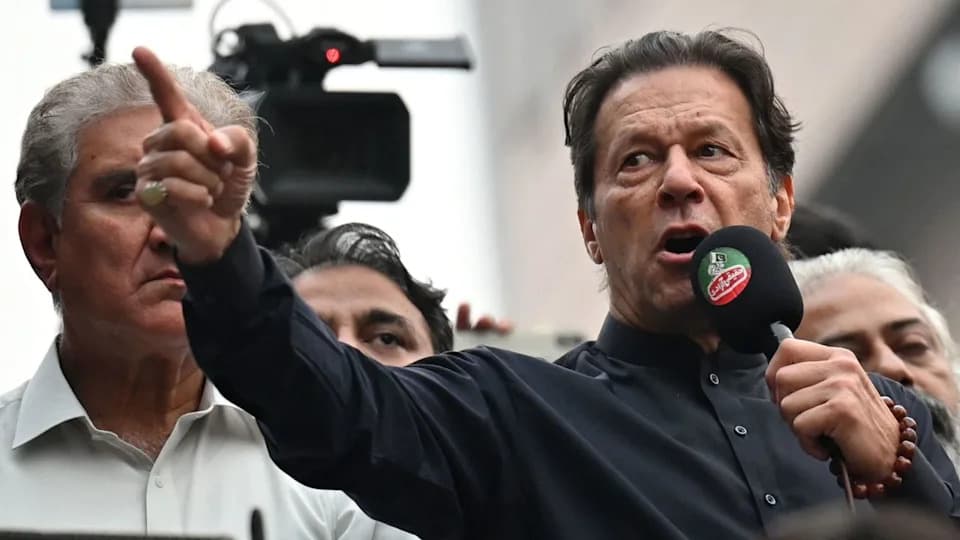
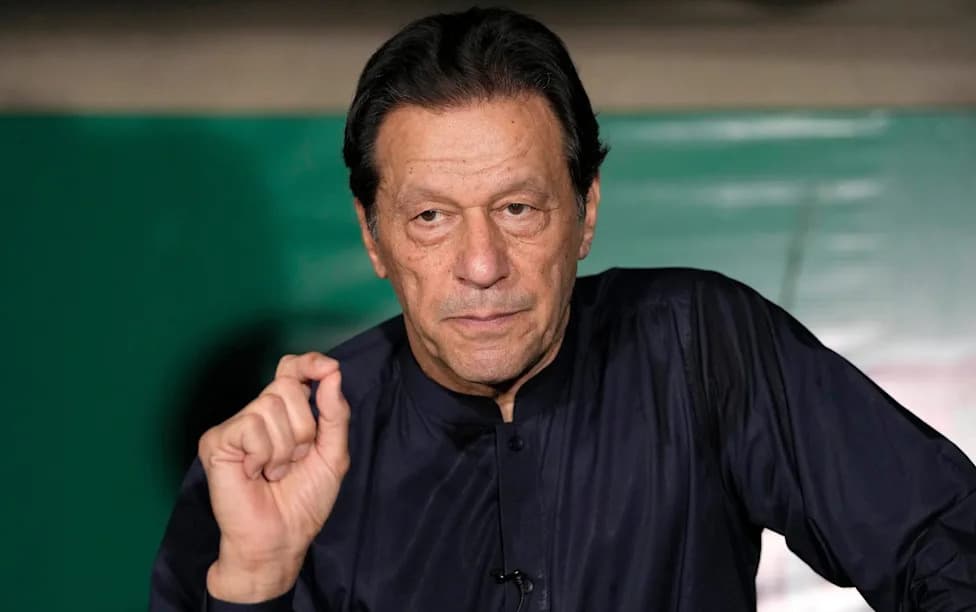
Khan is now serving a 14-year sentence following a corruption conviction. | Credit: Arif Ali / AFP / Getty Images
Imran Khan, the former cricket star and Pakistan's prime minister from 2018 to 2022, is reported to be confined to a 6ft-by-8ft cell at Adiala Prison in Rawalpindi. His family says the 73-year-old is held in near-total solitary confinement — about 23 hours a day — has been given contaminated water, and has lost roughly 85% of his eyesight as his health deteriorates.
Family Allegations and Official Response
In a recent interview Khan's sons, Kasim and Sulaiman — both British citizens — said Pakistani authorities are "trying to kill" their father. Pakistani officials rejected these claims, stating that Khan is kept in a seven-cell compound with home-cooked food, a television and regular visitors. The starkly different accounts have prompted international concern and domestic controversy.
From Cricket Legend To Controversial Politician
Khan rose to global prominence as captain of Pakistan's cricket team, leading them to the 1992 World Cup. He later turned to philanthropy and politics, founding the Pakistan Tehreek-e-Insaf (PTI) in 1996 on an anti-corruption platform. He became prime minister with a narrow parliamentary majority and the backing of Pakistan's powerful military, a relationship that later soured.
Record In Office And Downfall
His tenure produced mixed results: he expanded some healthcare initiatives but failed to fulfil wider promises to build an "Islamic welfare state." Pakistan's perceived corruption worsened under his watch, according to Transparency International, and the country required a $6 billion IMF package in 2019. Khan's foreign-policy posture — including ties with China and Russia and perceived softening toward the Taliban — attracted criticism in the West. Domestically he faced accusations of working with the security establishment to suppress dissent and curb the media.
Ouster, Violence And Legal Battles
In April 2022 Khan was removed in a parliamentary confidence vote after falling out with senior military figures. He accused the military and foreign actors of orchestrating his removal and led mass street protests. In November 2022 he was shot in the leg at a rally. In May 2023 paramilitary forces forcibly arrested him at Islamabad's high court, after which he has faced more than 100 legal cases, including allegations of bribery, corruption and leaking state secrets.
Conviction, Detention And International Scrutiny
Khan is serving a 14-year sentence following a corruption conviction that alleges he and his third wife received land valued at up to $25 million via a charitable trust as a bribe from a real-estate tycoon. Many of his other convictions have been overturned or suspended. Human rights groups — including Amnesty International and Human Rights Watch — have criticised aspects of his detention, and in July 2024 a UN working group said his detention had "no legal basis" and described it as part of a "campaign of repression" against him and the PTI.
Political Consequences
In October 2022 the Election Commission disqualified Khan from running for office for five years and the PTI was barred from using its cricket-bat symbol on ballots, a significant handicap in low-literacy areas. Despite restrictions, Khan retained substantial popular support: PTI-backed candidates won a strong showing in the February 2024 general election but fell short of an outright majority, leaving Shehbaz Sharif of the PML(N) to lead an eight-party coalition government.
Current Outlook
Pakistan's Supreme Court ordered in August that Khan be transferred to a hospital for medical checks; authorities say he was taken to a government facility for limited examinations and then returned to near-total isolation. Given Pakistan's history of political violence against prominent leaders, some observers fear the government may keep Khan imprisoned long term. Western governments have largely remained muted on his treatment, apparently wary of upsetting a strategically important nuclear state.
Note: This article presents allegations from Khan's family and supporters alongside official government statements; some claims remain disputed and continue to be the subject of legal and diplomatic scrutiny.
Help us improve.