Victor Glover, pilot for NASA’s Artemis II, will leave active agency duties to take a full-time leadership post at Cal Poly San Luis Obispo. He will drive partnerships, philanthropy and long-term strategy to advance Cal Poly and its maritime academy in engineering, AI, cybersecurity and defense. Glover will remain connected to NASA via an emeritus role, mentor future space professionals and plans to teach communication alongside technical subjects.
Artemis II Pilot Victor Glover Leaves Active NASA Duty to Lead Cal Poly Strategic Initiatives
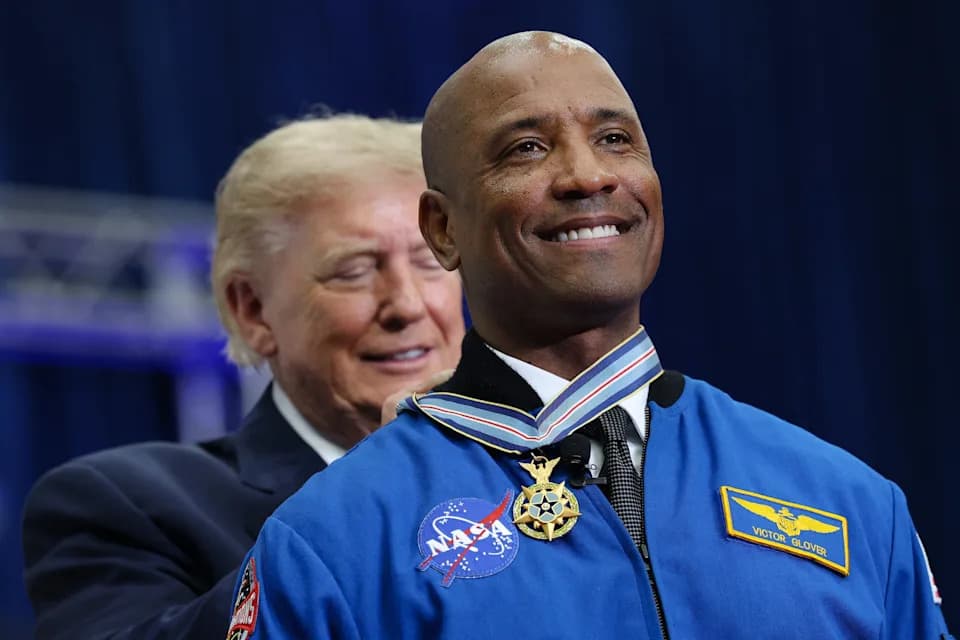
President Donald Trump (L) awards the Congressional Space Medal of Honor to pilot Victor Glover during a ceremony honoring Artemis II crew members at NASA's Johnson Space Center on Aug. 28, 2026 in Houston, Texas. Artemis II crew members, NASA astronauts Reid Wiseman, Victor Glover, and Christina Koch and Canadian astronaut Jeremy Hansen, traveled further into space than any other humans before on the first crewed mission around the moon in more than 50 years.
Victor Glover, the California-born astronaut selected as pilot for NASA's Artemis II lunar flyby, announced he is stepping away from active agency duties to accept a full-time administrative leadership role at his alma mater, California Polytechnic State University, San Luis Obispo (Cal Poly).
New Role and Priorities
In this position, Glover will focus on strengthening partnerships, expanding philanthropic support and shaping long-term strategy to elevate Cal Poly and the Cal Poly Maritime Academy as global leaders in polytechnic education, research innovation and workforce development. He will advise the president, provost, college deans and other campus leaders on areas including engineering, applied computing, aerospace, aviation, maritime studies, artificial intelligence, cybersecurity, autonomous systems and national defense.
Staying Connected to NASA
Glover said he will remain connected to NASA through an emeritus arrangement that allows experienced personnel to continue mentoring and training the next generation of scientists and engineers while pursuing work outside the agency.
“What’s really cool is I get to do that for Cal Poly, and I’m also in this emeritus program, which allows people with unique experiences to continue to serve NASA in a different capacity.”
Teaching and Outreach
Between administrative duties, Glover plans to teach and speak to students about his nearly 14 years as an active astronaut and a 28-year career in the United States Navy. Although many expect him to focus solely on spaceflight, he says he most wants to teach communication — a skill he believes is as essential as technical expertise for future leaders in science, technology and public service.
“At the end of the day, I probably would love to teach a course on communication,” Glover told USA TODAY. “Young technical professionals need to be as good at communication as they are at technical skills.”
Background and Personal Notes
Glover credits Cal Poly with providing the engineering foundation that shaped his career and notes the university is where he met his wife, Dionna Odom Glover. While a student he tutored for MESA (Mathematics, Engineering, and Science Achievement) and considered a career in conceptual automotive design before a college mentor encouraged him to enlist in the Navy. With family support he pursued military aviation and later applied to become an astronaut.
On June 15, 2025, Cal Poly awarded Glover an honorary Doctor of Science degree from the College of Engineering.
Perspective From Space
Reflecting on his time in orbit and beyond, Glover said seeing Earth from space drives his belief that global challenges require teamwork and cooperation. “We are a team,” he said, describing how viewing the planet from the station and the Moon reinforced the fragility and interconnectedness of Earth and humanity.
Photo context: The Artemis II crew — Mission Specialist Jeremy Hansen, Mission Specialist Christina Koch, Pilot Victor Glover and Commander Reid Wiseman — spoke to reporters as their Space Launch System rocket was moved to Pad 39B on Jan. 17, 2026. Artemis II is tentatively scheduled for a lunar flyby in early February 2026.
Reporting contributions: USA TODAY and video producer Kat Filardi. Original reporting by Noe Padilla, Northern California Reporter for USA TODAY.
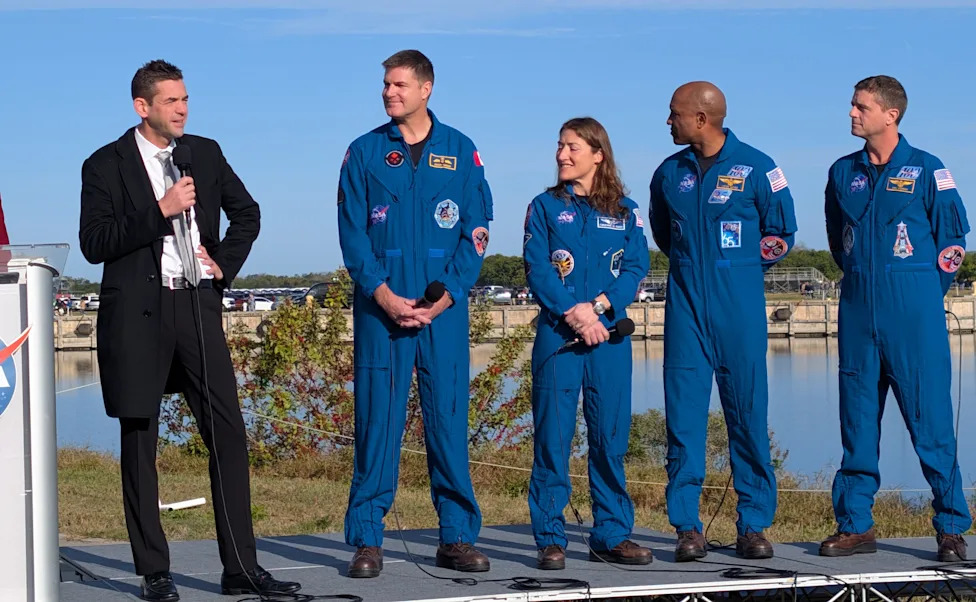
NASA Administrator Jared Isaacman stands with the Artemis II crew during an SLS rollout press briefing.(Brooke Edwards)
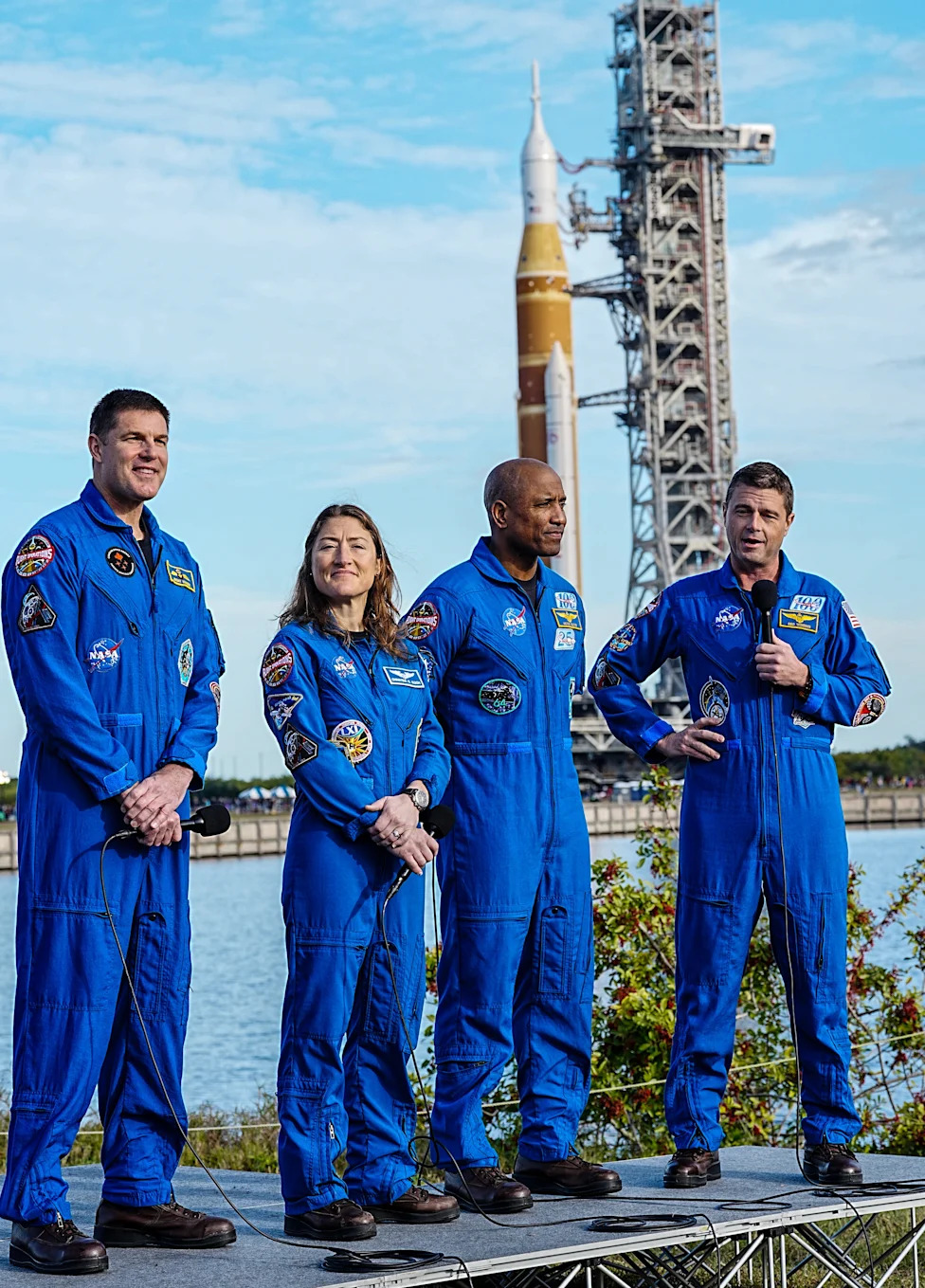
Thecrew of ArtemisII (from left: Mission Specialist Jeremy Hansen, Mission Specialist Christina Koch, Pilot Victor Glover and Commander Reid Wiseman) answer questions at a press conference as their Space Launch System rocket is transported to Pad 39B January 17, 2026. Artemis II is tentatively scheduled to launch on a mission to th Moon in early February. Craig Bailey/FLORIDA TODAY via USA TODAY NETWORK(Craig Bailey/FLORIDA TODAY)
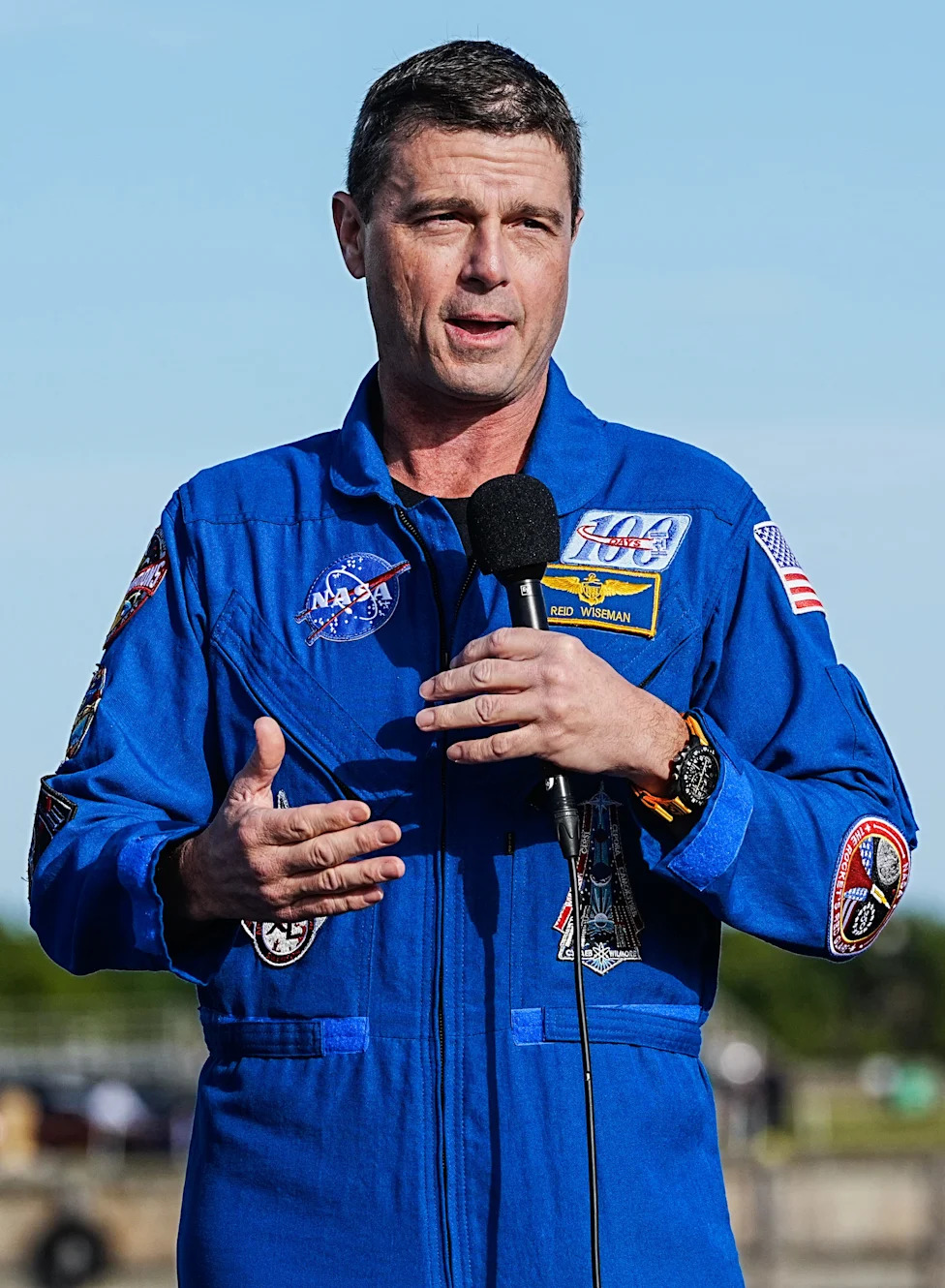
Artemis II Commander Reid Wiseman answers questions during a press conference at Kennedy Space Center, FL January 17, 2026. The Artemis II crew is tentatively scheduled to launch in early February. Craig Bailey/FLORIDA TODAY via USA TODAY NETWORK(Craig Bailey/FLORIDA TODAY)
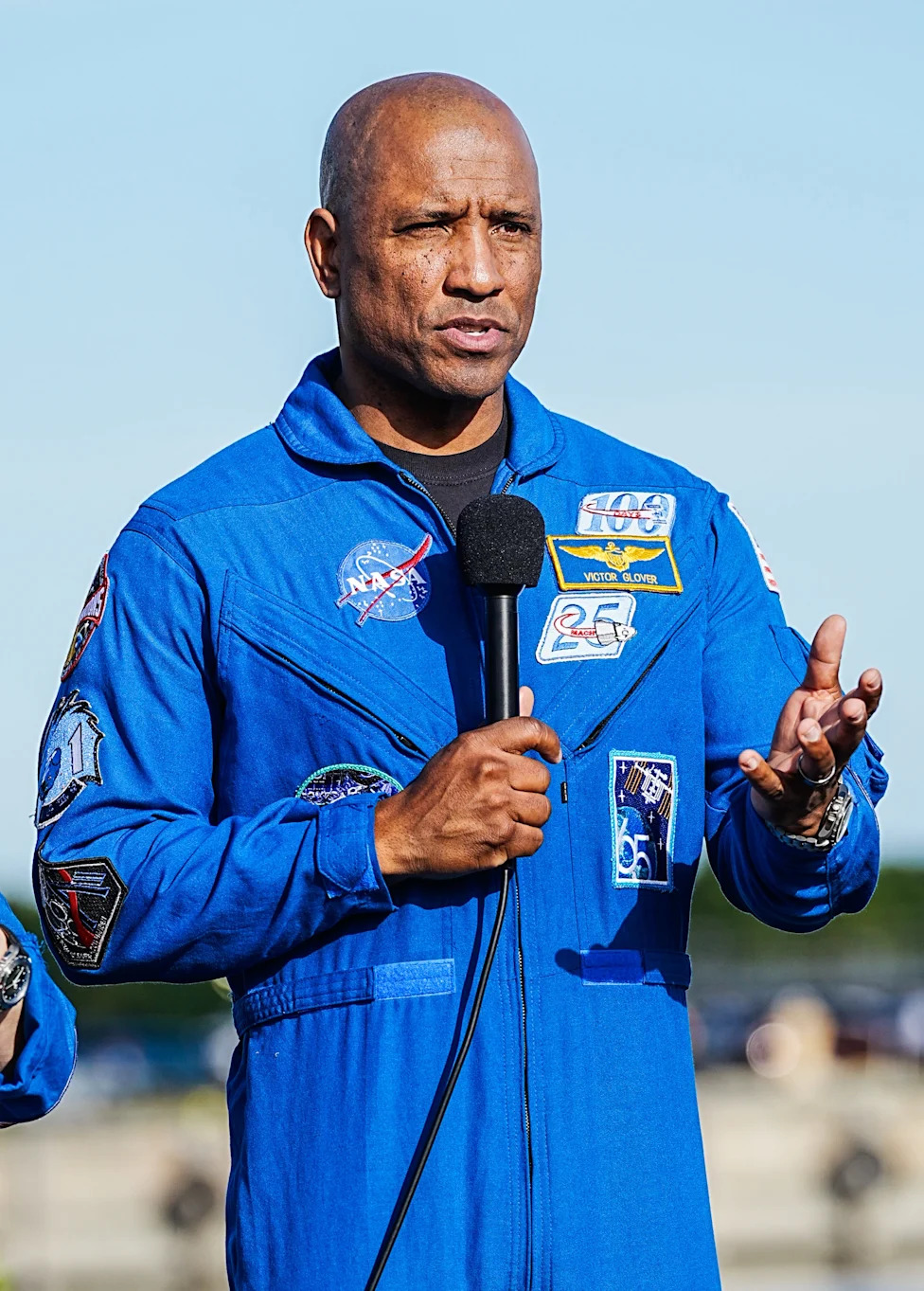
Artemis II Pilot Victor Glover answers questions during a press conference at Kennedy Space Center, FL January 17, 2026. The Artemis II crew is tentatively scheduled to launch in early February. Craig Bailey/FLORIDA TODAY via USA TODAY NETWORK(Craig Bailey/FLORIDA TODAY)
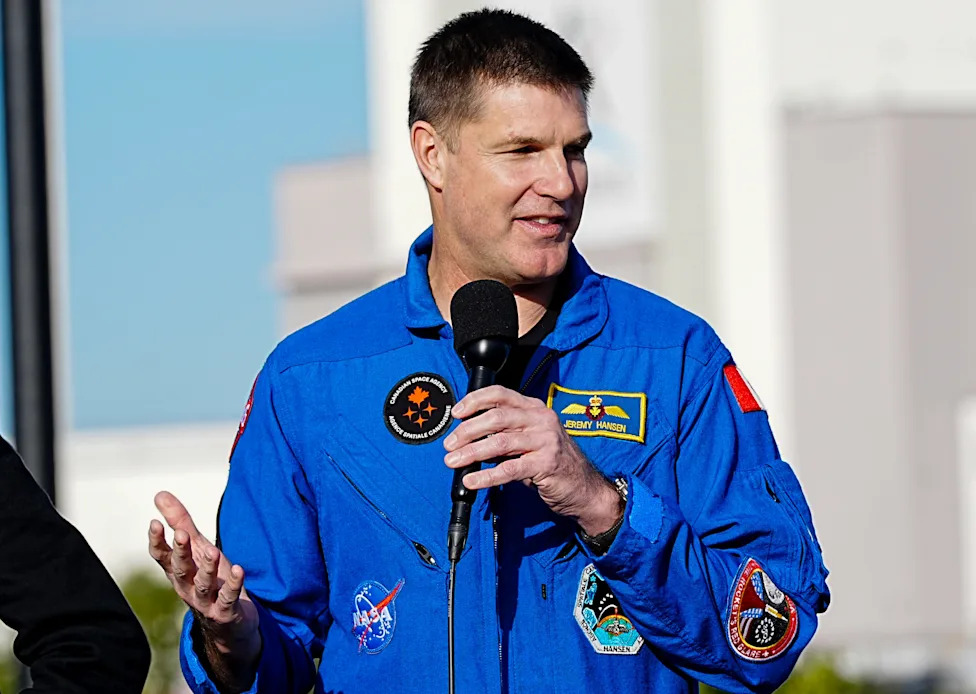
Artemis II Mission Specialist Jeremy Hansen answers questions during a press conference at Kennedy Space Center, FL January 17, 2026. The Artemis II crew is tentatively scheduled to launch in early February. Craig Bailey/FLORIDA TODAY via USA TODAY NETWORK(Craig Bailey/FLORIDA TODAY)

The Artemis II crew poses in front of an Orion simulator Jan. 23, 2026 at NASA’s Johnson Space Center in Houston.(NASA/Robert Markowitz)
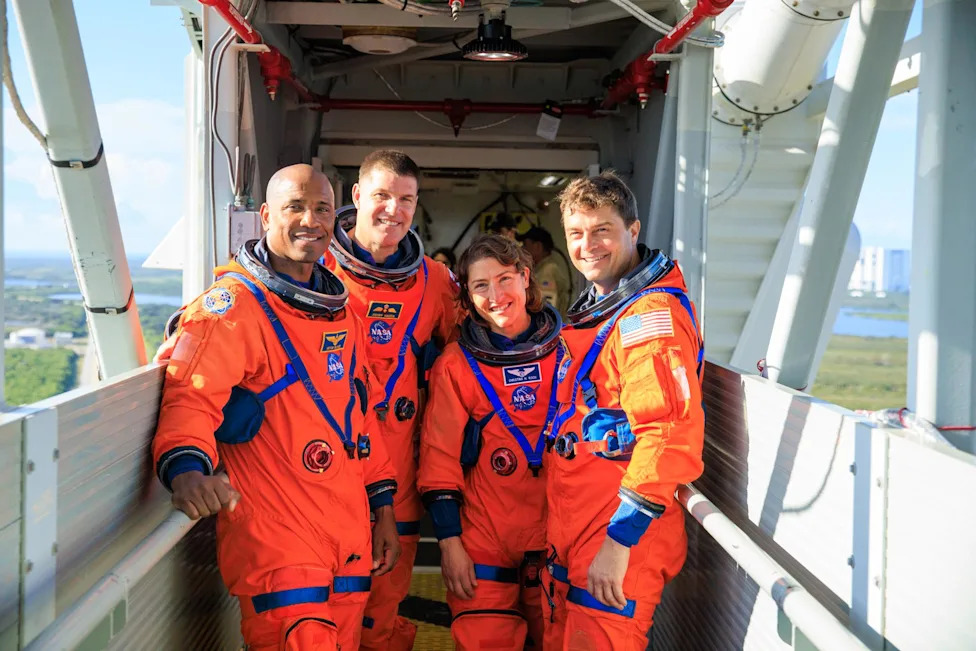
Four astronauts will venture around the Moon on Artemis II, the first crewed mission on NASA's path to establishing a long-term presence at the Moon for science and exploration through Artemis. The 10-day flight will help confirm systems and hardware needed for early human lunar exploration missions.(Provided by NASA)
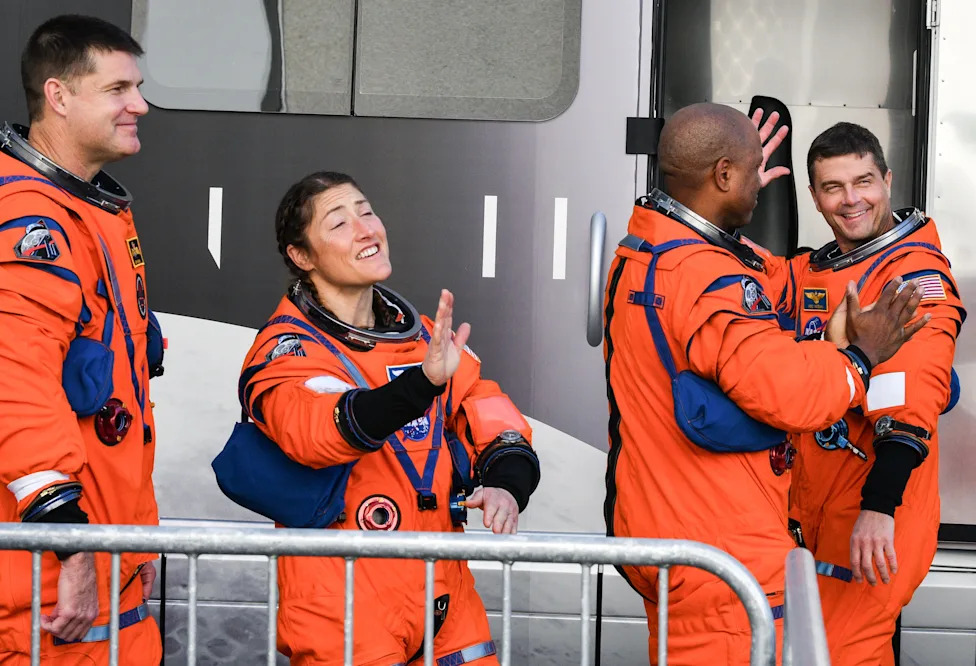
The crew of Artemis II (from left) Jeremy Hansen, Christina Koch, Victor Glover and Reid Wiseman leave crew quarters December 20, 2025 during their pre-launch rehearsal. Craig Bailey, FLORIDA TODAY via USA TODAY NETWORK(Craig Bailey/FLORIDA TODAY)
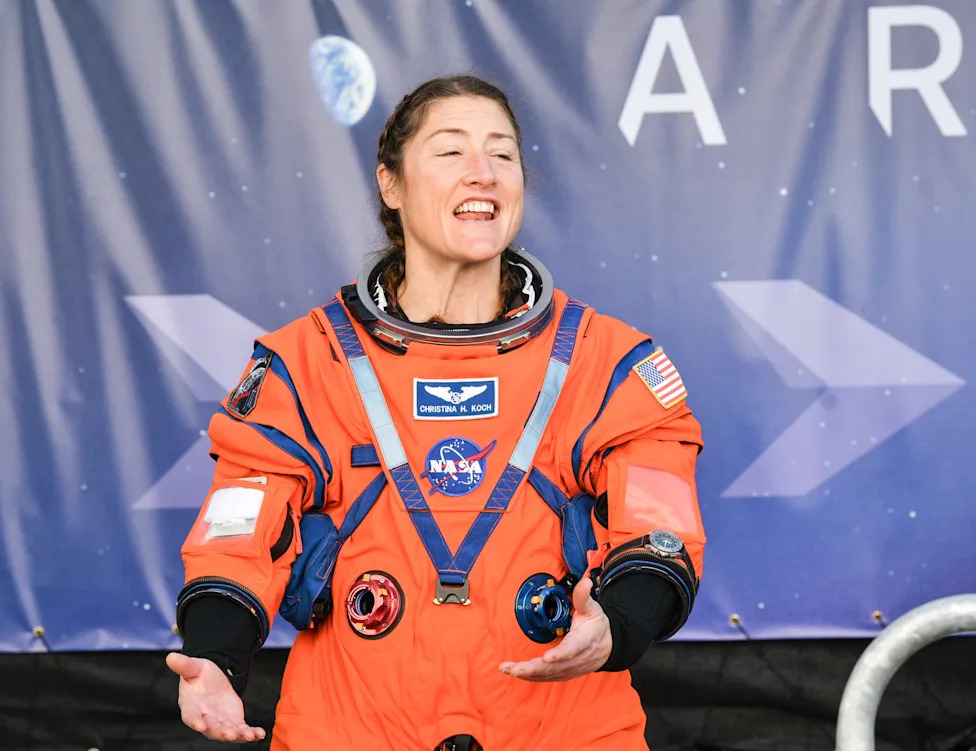
Artemis II mission specialist Christina Koch talks with spectators as the crew leaves crew quarters December 20, 2025 during their pre-launch rehearsal. Craig Bailey, FLORIDA TODAY via USA TODAY NETWORK(Craig Bailey/FLORIDA TODAY)
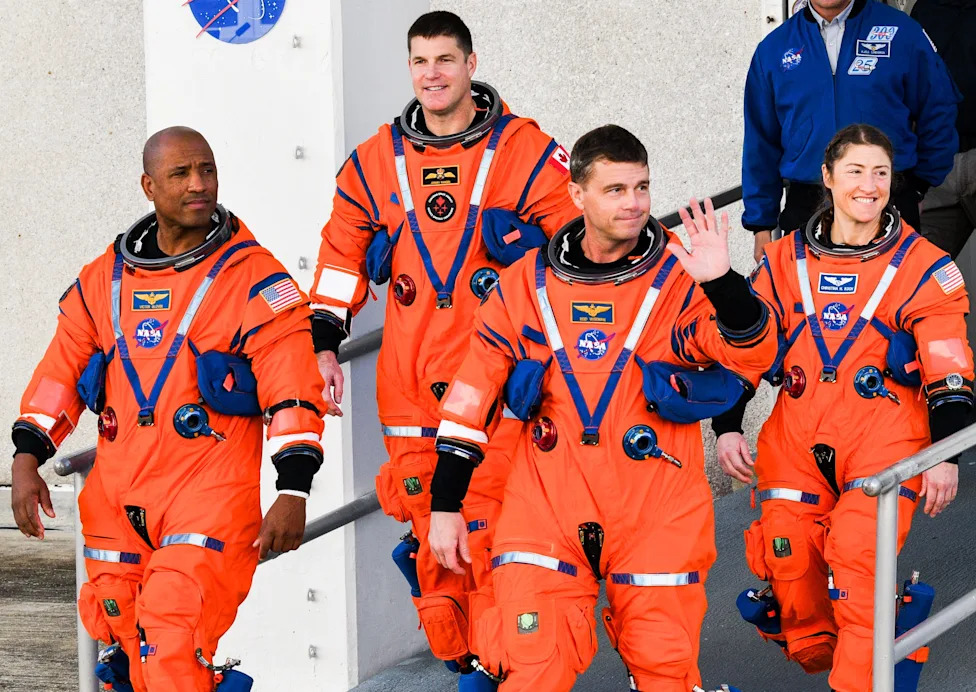
The astronauts of Artemis II (from left) Victor Glover, Jeremy Hansen, Reid Wiseman and Christina Koch leave crew quarters December 20, 2025 during their pre-launch rehearsal. Craig Bailey, FLORIDA TODAY via USA TODAY NETWORK(Craig Bailey/FLORIDA TODAY)
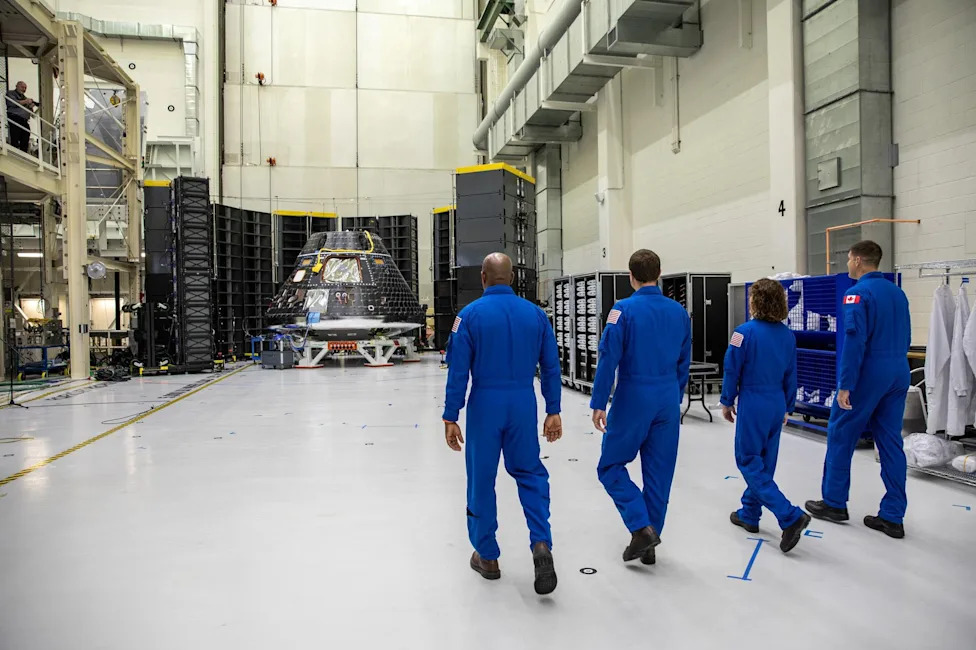
Artemis 2 crew members, shown Aug. 8, 2023 inside the Neil Armstrong Operations and Checkout Building at NASA’s Kennedy Space Center in Florida, walk toward their Orion crew module.(NASA/Kim Shiflett)
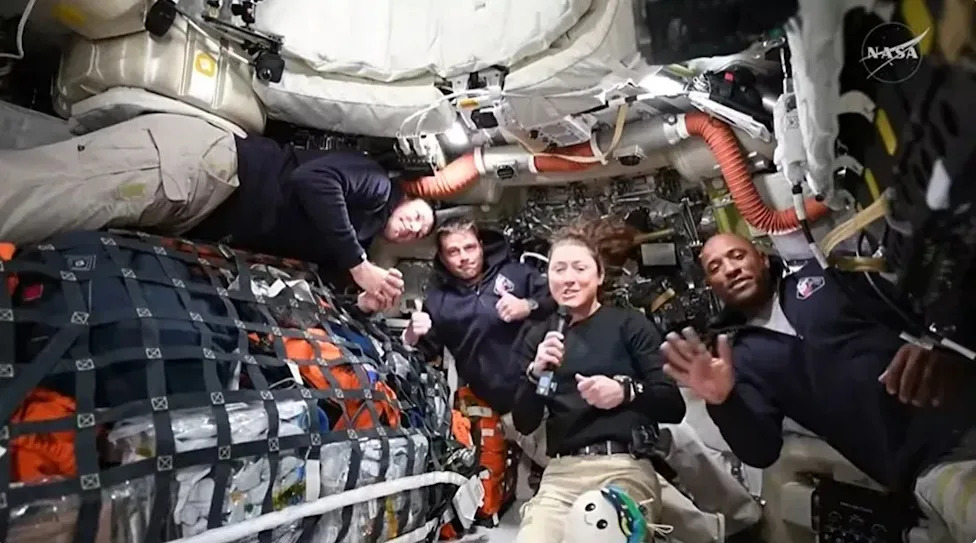
Artemis II crew members Jeremy Hansen, Reid Wiseman, Christina Koch, and Victor Glover answer questions from reporters during the first downlink event of their mission.(Provided by NASA)
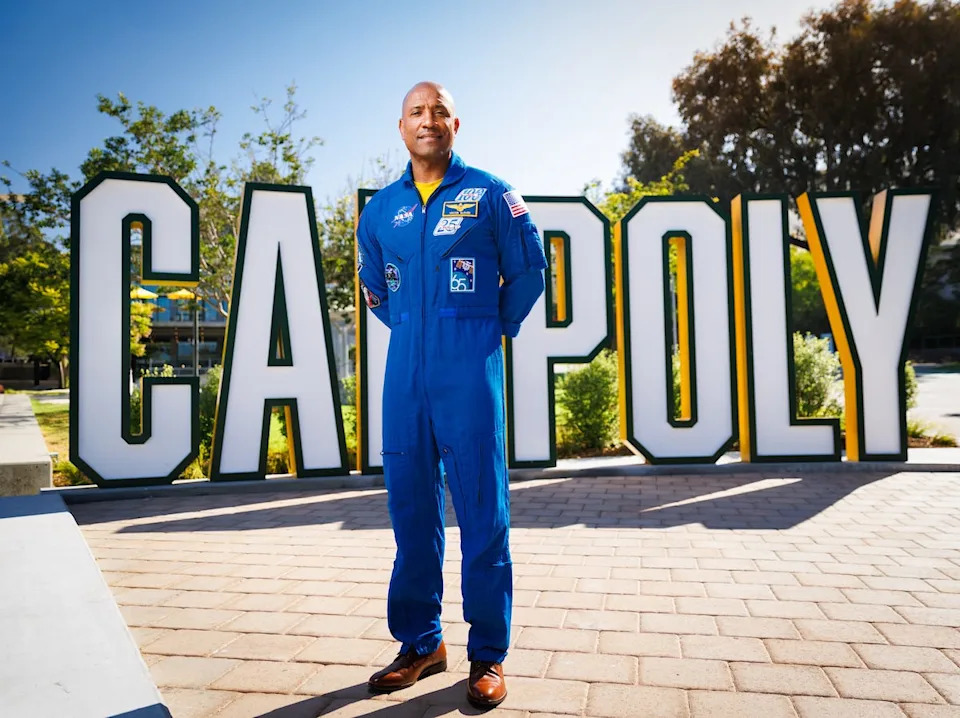
NASA Astronaut Victor J. Glover (General Engineering, 99) during a visit to Cal Poly.
Photo by Joe Johnston/University Photographer/Cal Poly 6-13-25
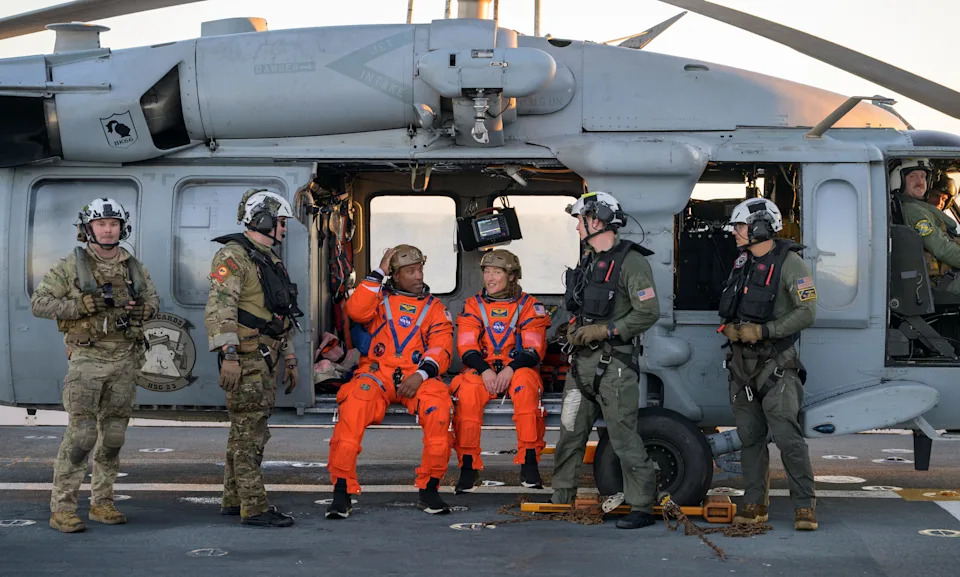
NASA astronauts Victor Glover and Christina Koch chat after landing on the recovery ship.
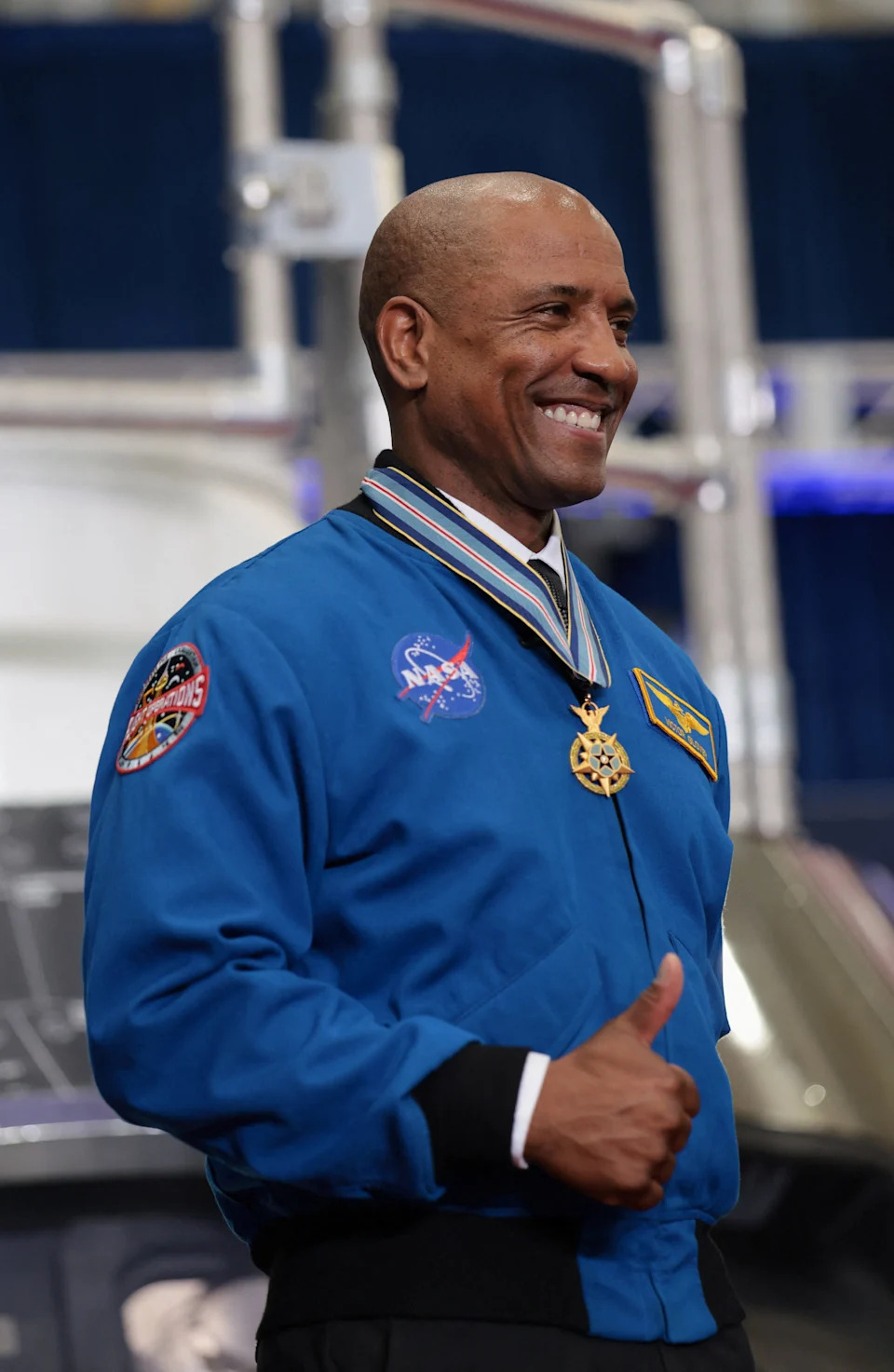
NASA astronaut Victor Glover gestures during a Congressional Space Medal of Honor presentation to the Artemis II crew at NASA's Johnson Space Center in Houston, Texas, on Aug. 28, 2026.
Help us improve.