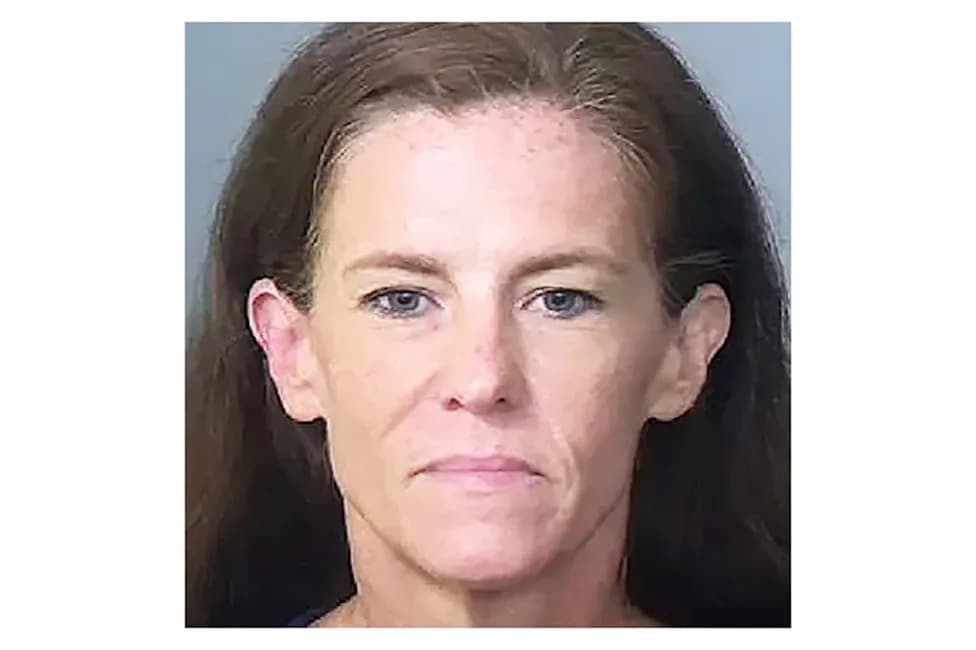
Police in Brazil arrested Amanda Maria Souza de Oliveira, 37, after authorities say she spent more than 15 years posing as children to obtain shelter, food and emotional care. She faces fraud and identity-theft charges in Santa Catarina and an indictment in Paraná, and a court has found her competent to stand trial. The case has attracted massive media attention and about 194 million Instagram views, while raising questions about mental health, the limits of empathy and legal standards for fraud.
37-Year-Old Woman Allegedly Lived As A 12-Year-Old For Years — Now Faces Fraud Charges
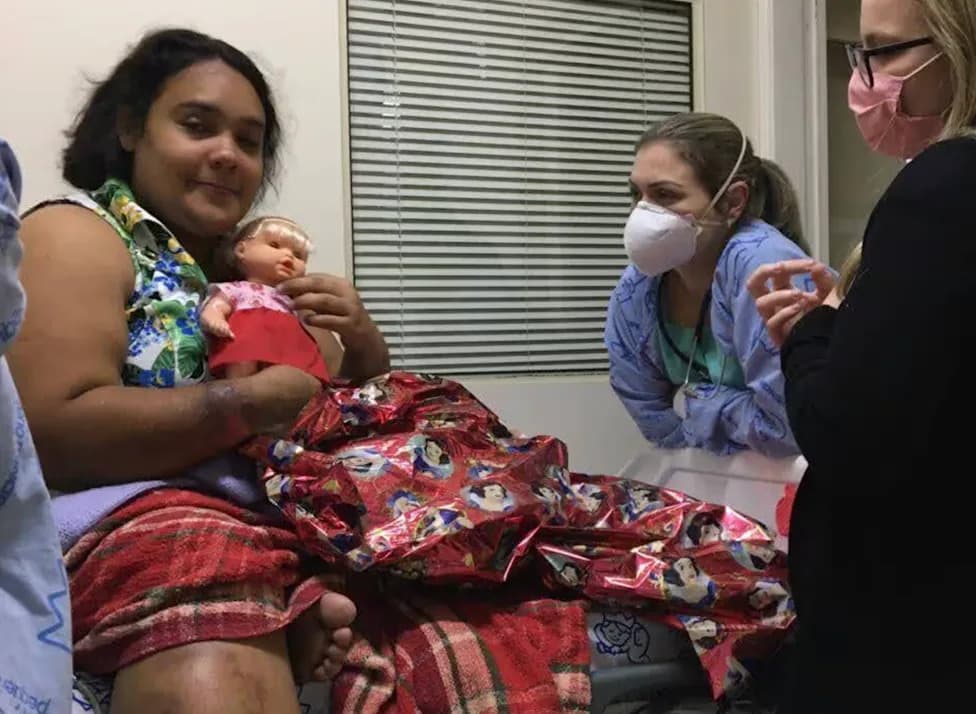
Amanda Maria Souza de Oliveira is shown at a hospital in Curitiba, Brazil. She acknowledges posing as a child for more than 15 years. (courtesy of Andreia Ramos/courtesy of Andreia Ramos,)
When police arrived at a family home in Joinville, Brazil, the woman at the door insisted there had been a mistake: the girl living there was supposed to be 12. Inside, surrounded by dolls and drawings, the figure known as Gabriele sat eating a meal. Local police chief Rodrigo Gusso told the hosts, “Amanda. The charade is over.”
Authorities say the woman, identified as Amanda Maria Souza de Oliveira, 37, spent more than a decade posing as children to obtain shelter, food and emotional care from families, shelters and faith-based groups. Her arrest in June followed investigators who connected several episodes in different Brazilian states in which she adopted varying child personas and stories of abuse or illness.
Pattern Of Deception Across Multiple States
Police and social-service records describe a string of incidents beginning at least in 2010 and continuing through 2023. In 2020 she arrived at a children's shelter claiming to be a 12-year-old named Julia, saying she had been forced to take hormones; a pediatric exam later confirmed she was an adult. In 2021 she joined an online prayer group as "Emily," claiming to have leukemia and an amputated arm; group members organized vigils, registered as bone-marrow donors and provided money before discovering inconsistencies. In 2023 she again presented herself to an institute in Rio as Maria Eduarda ("Duda"), prompting another police complaint after investigators confirmed she was an adult.
Charges, Evaluations And Legal Status
Oliveira faces fraud and identity-theft charges in Santa Catarina, an indictment in neighboring Paraná and inquiries in other jurisdictions. A court in Santa Catarina ordered a psychiatric evaluation and later deemed her competent to stand trial. Evaluators noted signs consistent with psychological disorders; a defense-commissioned assessment diagnosed borderline personality disorder, dependent personality disorder and depression, but the judge did not accept the independent report and allowed proceedings to continue.
“What struck me the most was her ability to deceive so many people for so long,” said Chief Rodrigo Gusso, commenting on Oliveira's targeting of small shelters, churches and religious groups where compassion is a default response.
Victims, Defenders And Social Reaction
Those who befriended Oliveira — shelter staff, prayer-group members and families — say they were motivated by compassion and were sometimes left shaken after learning the truth. Some provided housing, clothing, medical help, money and emotional support. Defense attorneys argue Oliveira did not seek financial gain and instead pursued the care and attention she said she never received as a child; they also emphasize her long history of vulnerability and homelessness.
The case became a national sensation in Brazil, generating intense media coverage and approximately 194 million views on Instagram alone. Analysts say the story resonated because it combines an uncommon deception, emotional drama and questions about trust, mental health and the limits of empathy.
Background And Context
Court filings indicate Oliveira was adopted as an infant and later alleged neglect and lack of childhood. Records show that in 2010, at age 22, she claimed to be 12 and accused her adoptive father of abuse; witnesses disputed the claim. Investigators say she told them lying had become a habit and a means to seek care she said she had missed in childhood.
The investigation that led to her arrest began when a relative of the Joinville hosts found an earlier arrest record and alerted the family. Police compared details across cases and moved to detain Oliveira. At the station she provided her real name and date of birth and, according to authorities, answered questions coherently.
Why The Case Matters
The allegations raise difficult questions about criminal intent, the role of compassion in community response, and how social services detect and respond to deception. Mental-health professionals note that people who wish to help may overlook inconsistencies in favor of preserving a narrative of care, while legal experts must weigh evidence of deception against proof of financial or material harm required for fraud convictions.
As proceedings move forward, the case is likely to continue prompting debate in Brazil and abroad about vulnerability, responsibility and the line between seeking care and committing a crime.
Help us improve.