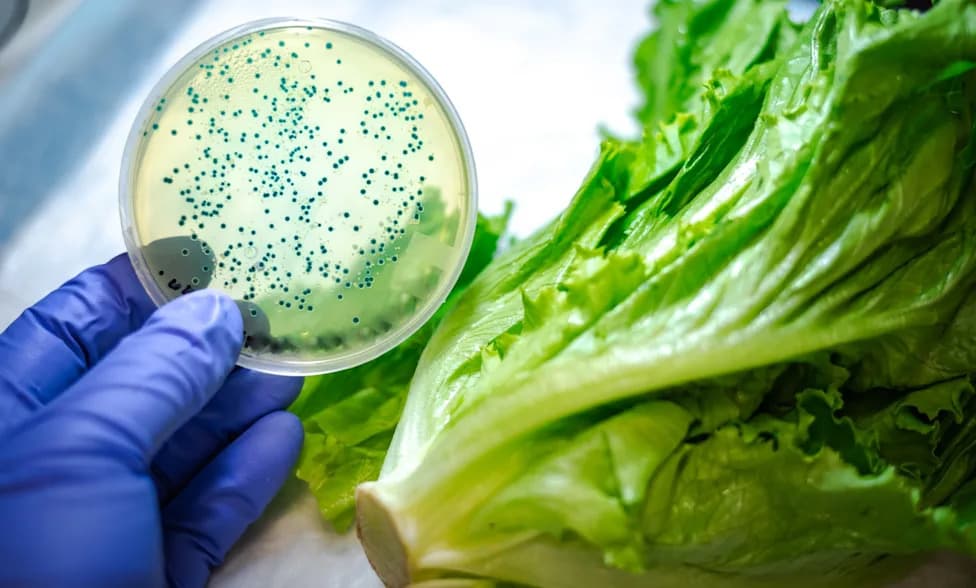
This summer has brought a marked rise in U.S. foodborne illnesses: nearly 25,000 Cyclospora cases and multiple Salmonella and E. coli outbreaks. A Class 1 egg recall tied to Midwest Poultry Services affected six states, while jalapeños and frozen berries have also been recalled after dozens fell ill. Iceberg lettuce served at Taco Bell locations is linked to the largest Cyclospora outbreak, with close to 14,000 cases in Michigan alone. Consumers should check recall notices and seek care for severe symptoms.
Spike In U.S. Foodborne Illnesses: Eggs, Jalapeños, Berries And Lettuce Tied To Major Outbreaks
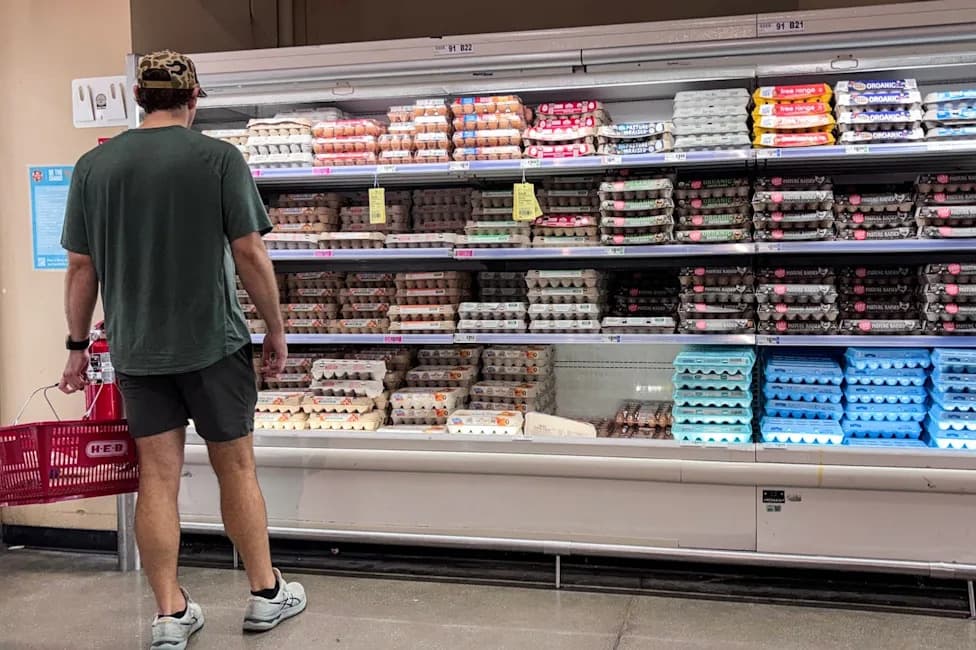
The foods linked to the latest outbreaks of parasitic and bacterial illnesses in the US
This summer the United States has seen a sharp rise in foodborne illnesses, including tens of thousands of cyclosporiasis cases and multiple Salmonella and E. coli outbreaks. Public health agencies and the Food and Drug Administration (FDA) have issued several recalls and warnings as they investigate sources and try to limit further spread.
Key Outbreaks And Recalls
Salmonella — Egg Recall (Midwest Poultry Services)
The FDA issued a Class 1 recall for white and brown eggs from Midwest Poultry Services after an outbreak linked to those cartons. Class 1 is the FDA's highest-risk designation and indicates a reasonable probability the product could cause serious health consequences or death.
Recalled cartons carry plant code P-1950 or 0840962 with a Julian date between 157 and 184. The eggs were distributed in six states (including Texas and surrounding states). Officials report 98 cases and 26 hospitalizations; Texas accounted for 73 of the reported illnesses.
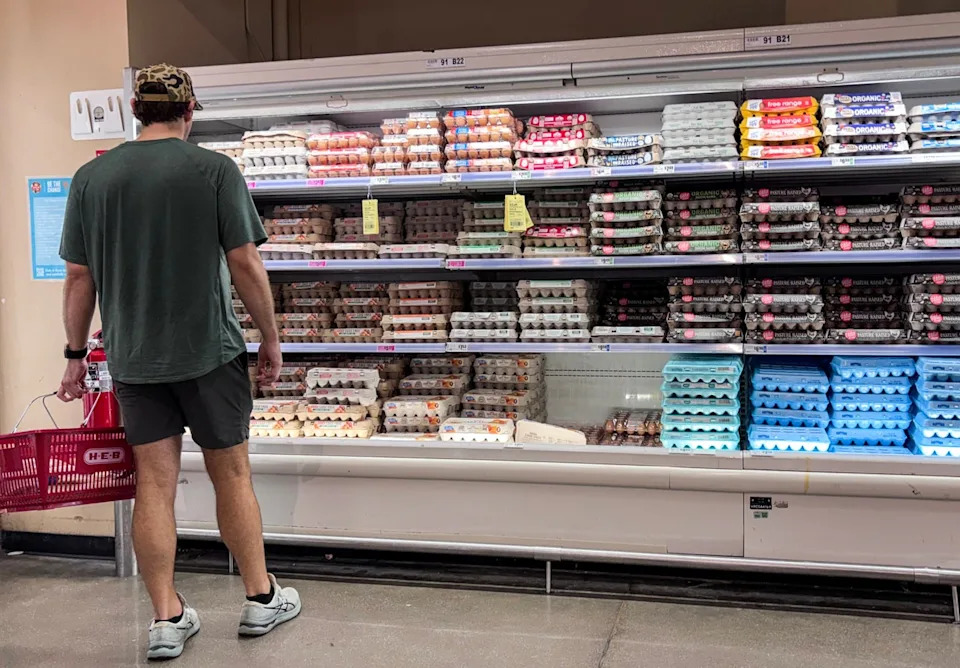
Cartons of eggs are seen at a supermarket in Houston, Texas, last month. Millions of eggs were recalled after Americans were sickened by the bacteria salmonella. Foodborne illnesses have soared this summer, forcing recalls of multiple foods (AFP via Getty Images)
Salmonella — Jalapeños (Coast Citrus Distributors)
Coast Citrus Distributors recalled jalapeños used in pico de gallo, stuffed mushrooms and soups sold in stores across 27 states. The FDA reports 345 illnesses and 36 hospitalizations tied to this outbreak, with Colorado and Minnesota seeing the bulk of cases.
E. coli — Frozen Berries (Publix / GreenWise)
Publix voluntarily recalled GreenWise Organic Frozen Whole Blueberries and Whole Mixed Berries after about a dozen people in Florida and Georgia became ill; 4 hospitalizations were reported. These infections were linked to shiga-toxin–producing E. coli, a strain that can cause severe complications in some patients.
Cyclospora — Lettuce Linked To Taco Bell Meals
The largest outbreak this season has been cyclosporiasis tied to iceberg lettuce from a Taylor Farms facility in Mexico used at multiple Taco Bell restaurants. The CDC reports nearly 25,000 cases nationwide, with close to 14,000 in Michigan alone. The lettuce recall covered 27 states.
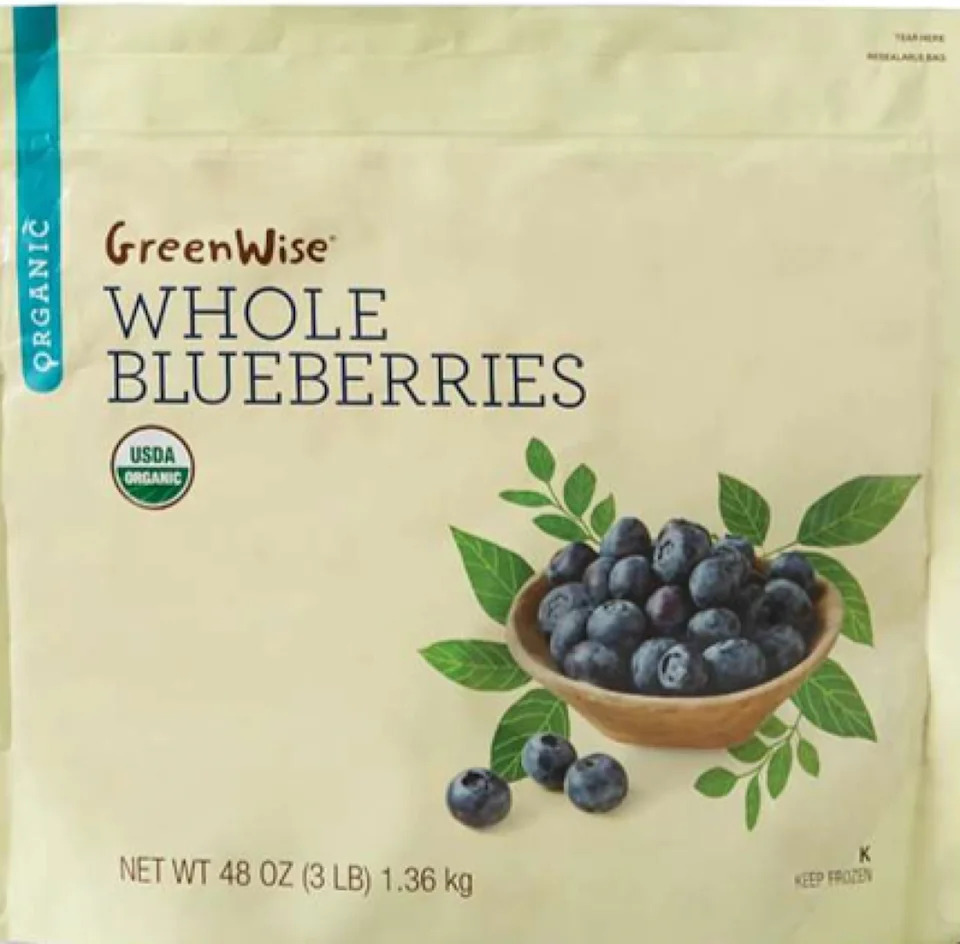
These frozen GreenWise blueberries and other berries were recalled last month after people were sickened with E. coli in Florida and Georgia (FDA)
Symptoms, Risks And Treatment
Salmonella infections typically cause diarrhea, fever, nausea, vomiting and abdominal pain. Most people recover without treatment, but vulnerable groups (young children, older adults, pregnant people, and immunocompromised individuals) can develop severe or systemic infections requiring antibiotics and supportive care.
E. coli (particularly strains that produce Shiga toxin) can cause severe stomach cramps, bloody diarrhea and vomiting. In some cases, complications such as hemolytic uremic syndrome (HUS) can lead to kidney failure. Treatment is mainly supportive—fluids and close medical monitoring; antibiotics are not generally recommended for Shiga-toxin E. coli.
Cyclospora is a parasite that causes watery diarrhea, frequent bowel movements, stomach cramps, nausea and fatigue. Symptoms can begin up to two weeks after exposure and sometimes last for weeks. Cyclospora infections are typically treated with prescribed antibiotics (commonly trimethoprim-sulfamethoxazole).
What Consumers Should Do
- Check product codes and dates on egg cartons (P-1950 or 0840962; Julian dates 157–184) and discard affected products or return them to the store.
- Avoid using recalled jalapeños, berries or the specific lettuce products; follow FDA and store recall notices for details.
- Seek medical attention for severe or persistent symptoms (high fever, bloody diarrhea, dehydration, or signs of systemic infection).
- Practice safe food handling: wash produce when appropriate, cook foods to recommended temperatures, and avoid cross-contamination in the kitchen.
Public health investigations are ongoing. Consumers should monitor FDA and CDC updates for the latest recall and safety information.
Help us improve.