Meta has quietly mobilized and sometimes paid parenting, lifestyle and mental‑health influencers to promote Instagram’s Teen Accounts and parental controls in countries considering restrictions on under‑16s. The Tech Transparency Project reports the company staged events and worked with funded partners in markets including Australia, Indonesia, India and Brazil. Critics and whistleblowers say these efforts risk creating a misleading impression of safety, while regulators struggle with enforcement and debate the best way to protect children online.
Paid Posts and PR Camps: How Meta Recruited Influencers to Defend Instagram's Teen Accounts
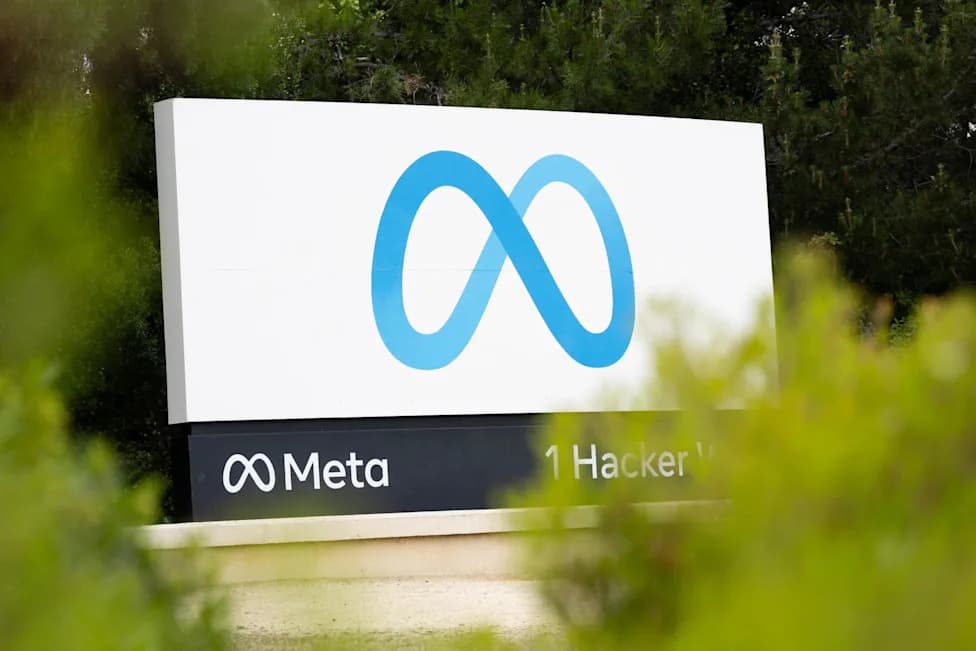
Meta headquarters in Menlo Park, California.Photograph: Bloomberg/Getty Images
In July 2025, Meta brought parenting and lifestyle influencers to a waterfront venue overlooking the Sydney Opera House for a camping‑themed event that looked like any other influencer marketing affair — Instagram‑branded tents, a step‑and‑repeat wall, custom tote stations and branded snacks. But the gathering had a clear public‑relations purpose: to persuade audiences that Instagram’s built‑in parental controls and restricted "Teen Accounts" (for users aged 13–17) are a better answer than blanket bans on under‑16s.
What the Report Found
A report from the Tech Transparency Project documents that since 2024 Meta has repeatedly enlisted lifestyle, parenting and mental‑health creators to promote its teen‑safety features in markets where governments were considering age restrictions. The company has recruited creators at events, sponsored posts and funded partnerships, and it has leaned on organizations it supports financially to amplify messages opposing broad teen bans.
Examples From Around the World
At the Australian "Instagram Safety Camp," several creators with paid partnerships posted positively about Instagram’s teen safeguards. Actress and parenting creator Tammin Sursok shared event highlights and used the #instagrampartner tag. ReachOut Australia, an online youth mental‑health service that lists Meta as a major sponsor, took part in a panel and later featured related material in an online series that Meta helped fund.
In Indonesia and India, Meta staged similar local events and worked with prominent creators. Indonesian actor Darius Sinathrya posted clips encouraging parents to try safety features. In India, mom influencers published sponsored posts about teen accounts after officials signaled possible age‑based restrictions; one creator with about 250,000 followers posted a video showing her child setting up a Teen Account and labeled the post #ad.
Critics, Whistleblowers and Concerns
Whistleblowers such as Frances Haugen and Arturo Bejar have previously released internal documents suggesting Meta was aware young users encountered harmful content. Bejar told reporters that promoting Teen Accounts through influencers risks creating a misleading impression of safety: search recommendations and other features can still surface self‑harm or eating‑disorder content, he said.
"You can still search for suicide and self‑harm content even though they promise you can't," Bejar said, arguing that creator promotion can paper over systemic problems.
Meta responded that it invests heavily in teen protections and parental controls, and that blanket bans push young people toward less regulated corners of the internet. Edward Patterson, a Meta spokesperson, said the company will continue working with parents and experts to raise awareness of safety tools, including Teen Accounts for 16‑ and 17‑year‑olds where local rules permit.
Policy Impact And Enforcement Challenges
Australia was the first country to pass legislation restricting social media use by under‑16s, approving the law in November 2024 and bringing it into force in December 2025. The Australian government commissioned a study that found 96% of 10–15‑year‑olds used social media and that 71% had encountered harmful content. Since the ban took effect, Meta says it has removed or blocked roughly 756,000 accounts it suspected belonged to under‑16s.
Despite the new rules, Australia’s internet regulator found more than 80% of teens were still using social platforms three months after the ban, and many reported not being asked their ages. That underscores the difficulty of enforcing online age limits. Global momentum for age‑based measures continued: Indonesia implemented a blanket teen ban in March 2026, Brazil passed its Digital Statute of Children and Adolescents in March 2026 requiring stricter verification and parental links for children's accounts, and parts of India have introduced state‑level restrictions while national rules remain under discussion.
Broader Debate
Supporters of bans argue that platform self‑regulation has failed and that governments must act to protect children. Critics — including civil‑liberties and digital‑rights groups like the Electronic Frontier Foundation and Fight for the Future — warn that sweeping bans can restrict young people’s access to information and expression and may be difficult to enforce. Some experts say parental controls and third‑party tools are preferable to blunt legal measures, while others say Meta has not demonstrated it can be trusted to self‑regulate.
As governments weigh regulation and platforms refine product‑level protections, the story highlights a broader tension: whether tech companies should use creator networks and sponsored campaigns to shape public opinion about the safety of their products, and how regulators should respond when those products are used by millions of young people worldwide.
Help us improve.