Veolia has sued nine companies, alleging PFAS contamination of waterways that supply about 100,000 New Castle County residents. The utility reported average PFAS levels of 29 ppt at its Stanton plant, above the EPA’s referenced level of 4 ppt for two PFAS chemicals, and has announced a $35 million treatment system. Veolia seeks damages to avoid passing cleanup costs to customers while environmental groups say polluters — not ratepayers — should pay.
Veolia Sues Nine Companies Over PFAS, Says Cleanup Costs Shouldn’t Fall on 100,000 Delaware Residents
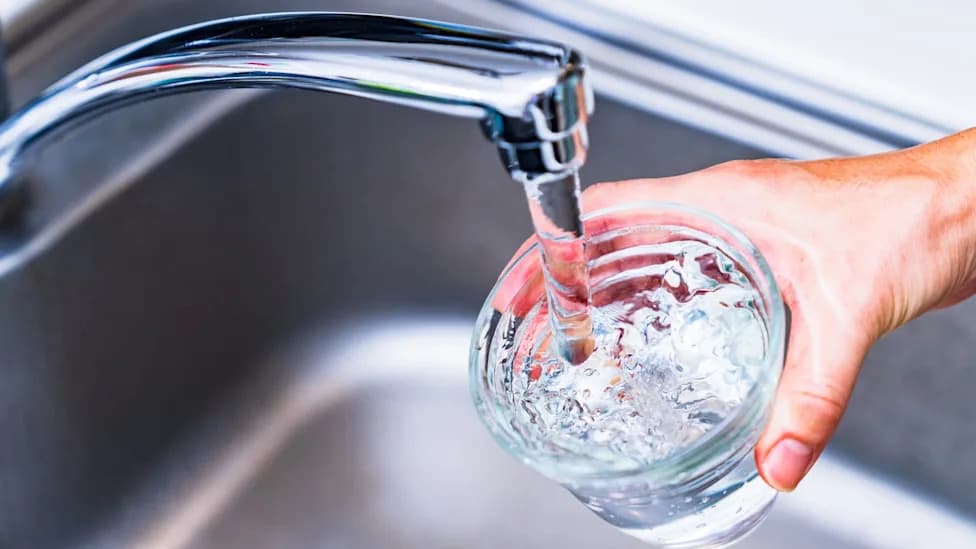
Photo Credit: iStock
Veolia, the primary water utility serving parts of Delaware, has filed suit in Delaware Superior Court against nine companies, alleging that releases of PFAS — the persistent "forever chemicals" linked to cancer and other health risks — contaminated waterways that supply drinking water to roughly 100,000 people in New Castle County.
Lawsuit Allegations
The complaint, reported by WHYY News, says the defendants allowed PFAS to enter sources used for Veolia’s drinking water, forcing the utility to undertake costly treatment and cleanup. The suit argues the companies knew, or reasonably should have known, their operations were releasing potentially toxic PFAS and failed to take adequate steps to prevent or disclose the releases to regulators, Veolia, or the public.
The company alleges the defendants failed to take sufficient actions to remedy the harm or to disclose the risks to regulators, Veolia, or the Delaware public.
Local Impact and Evidence
About one-third of Veolia’s supply comes from Red Clay Creek; the utility also draws from White Clay Creek, where state regulators have reported elevated PFAS levels. Veolia’s 2024 water quality report recorded average PFAS readings at its Stanton treatment plant of 29 parts per trillion (ppt), well above the Environmental Protection Agency’s referenced level of 4 ppt for two PFAS chemicals.
PFAS are used in numerous consumer and industrial products — from nonstick cookware and waterproof fabrics to firefighting foams — and resist environmental breakdown. They can persist in the human bloodstream for years, and public health officials stress that minimizing exposure is critical.
Remedies Sought and Wider Context
Veolia has announced a $35 million treatment system for New Castle County ratepayers and says it has been forced to make "significant and costly upgrades." The utility is seeking damages in court so cleanup and treatment costs are not passed onto customers through higher water bills.
The defendants named in the suit include:
- Ametek, Inc.
- Syensqo Specialty Polymers, USA, LLC (formerly Solvay Specialty Polymers)
- Solvay Solexis, Inc.
- Niche Polymer LLC
- Marshallton Realty Holdings LLC
- Westchester Plastics, LLC
- Coherent Corp.
- FMC Corporation
- Edlon Inc.
At the federal level, the EPA adopted tighter PFAS drinking-water rules in 2024 that require providers to test for the chemicals and reduce levels dramatically by 2029. The previous administration extended the compliance deadline for PFOS and PFOA by two years and eased limits for three other PFAS compounds — changes that have affected implementation timelines. Utilities say meeting the new rules is expensive even with federal funding programs available.
Environmental advocates argue that ordinary residents and ratepayers should not bear the financial burden of cleaning up industrial pollution. Tracy Carluccio of the Delaware Riverkeeper Network praised Veolia’s litigation, saying companies responsible for contamination — not families who need safe tap water — should pay cleanup costs.
Help us improve.