
The defense for Tyler Robinson has asked a Utah court to block prosecutors from seeking the death penalty, arguing the evidence does not meet the aggravating-factor threshold under state law. Robinson’s lawyers say the bullets 'traveled above, not through, the crowd' and that Charlie Kirk was the intended target, citing communications that show no threats to others. Prosecutors assert the shooting created a 'great risk of death' to bystanders; a hearing is scheduled for Sept. 1 before Judge Tony Grafis.
Tyler Robinson’s Lawyers Ask Court to Block Death Penalty, Argue Bullets ‘Traveled Above’ Crowd in Charlie Kirk Shooting
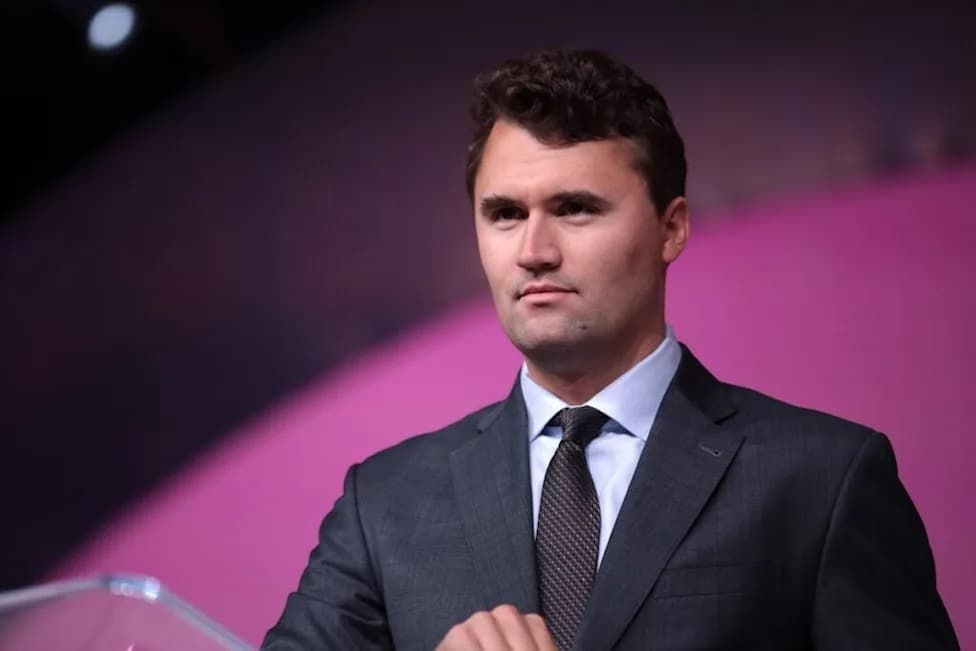
Charlie Kirk Shooting Suspect Tyler Robinson’s Lawyers Fight Death Penalty, Say 'the Bullets Traveled Above, Not Through, the Crowd'
Defense attorneys for Tyler Robinson have asked a Utah court to prevent prosecutors from seeking the death penalty, arguing that the available evidence does not satisfy the legal aggravating factors required for capital punishment.
Defense Arguments
In court filings submitted Tuesday, Robinson’s lawyers say prosecutors have not shown that his actions created the kind of heightened risk to bystanders that Utah law requires to pursue the death penalty. The defense contends the available evidence indicates the bullets 'traveled above, not through, the crowd' and that Robinson hit his intended target — conservative activist Charlie Kirk — without intending to harm other attendees.
The only evidence presented supports that the bullets traveled above, not through, the crowd, and there is no proof of an intent to harm other individuals.
Evidence Cited
The defense also pointed to searches of communications between Robinson and his roommate, Lance Twiggs, saying those records show 'no mention of any threat or intended harm to any other individual(s).' Based on that material, Robinson’s attorneys argue prosecutors cannot establish the aggravating factor that would make the case eligible for capital punishment.
Prosecutors' Position
Prosecutors counter that Robinson’s conduct created a 'great risk of death' to bystanders — an aggravating circumstance that can qualify a case for the death penalty under Utah law. They maintain that the totality of the evidence supports pursuing capital charges.
Court Schedule and Background
Robinson, 22, has not yet entered a plea. Utah District Judge Tony Grafis has scheduled a hearing for Sept. 1, according to AP News.
Last year, Charlie Kirk was shot during an event at Utah Valley University and later died. The killing prompted bipartisan condemnation: President Donald Trump called Kirk 'legendary,' and House Speaker Mike Johnson described the shooting as 'detestable.' Utah Gov. Spencer Cox called the attack politically motivated.
Authorities say Robinson was taken into custody after an alleged confession to a family member. The incident also renewed attention to past messages shared by former colleague Candace Owens, in which Kirk reportedly wrote in 2018 that he feared for his safety and compared himself to Moses; those messages circulated after his death.
This filing marks the latest phase in pretrial litigation over whether Robinson’s case meets the statutory criteria for capital punishment. Both sides will present their arguments at the planned hearing, where the court will consider whether aggravating factors are sufficiently supported by the record.
Help us improve.





















