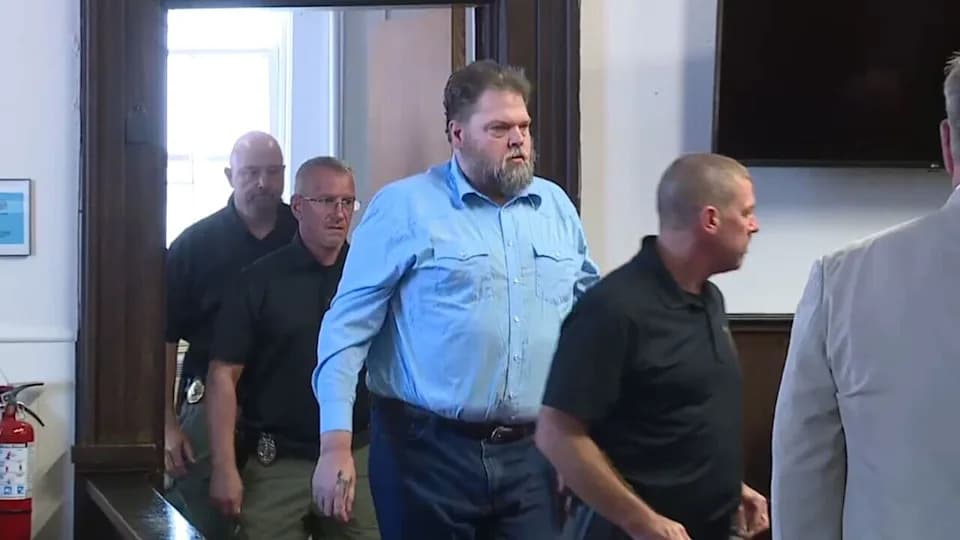
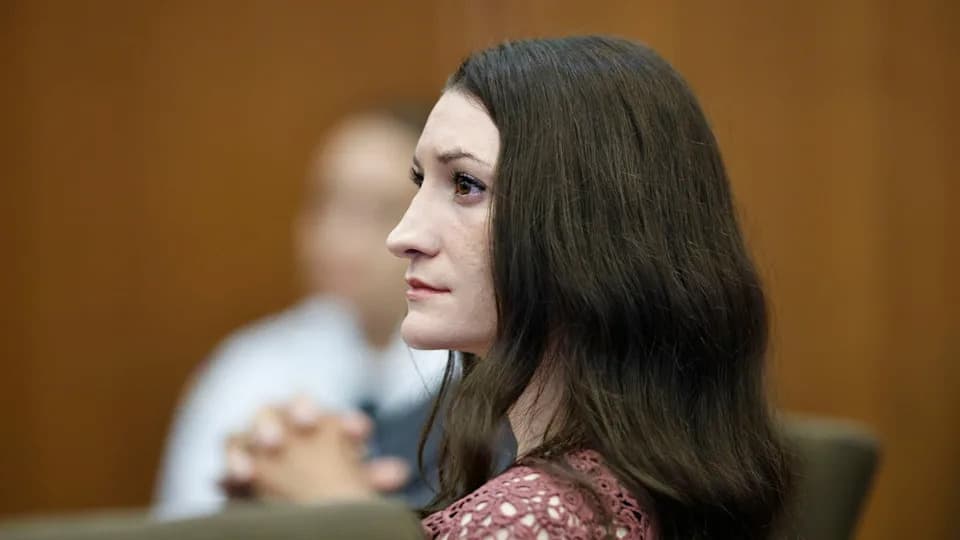
Alex Murdaugh will return to a Lexington County courtroom for a pretrial hearing as his defense asks a judge to dismiss the murder and weapons indictments and to limit evidence for an April 2027 retrial. The disbarred attorney is scheduled to appear before Circuit Judge Debra McCaslin after a recent flurry of competing motions that have outlined sharply divergent strategies from both sides.
Dismissal Motion Targets Grand Jury Evidence
Led by attorney Dick Harpootlian, Murdaugh’s legal team has filed a dramatic motion asking Judge McCaslin to throw out the indictments. The motion alleges that false or fabricated physical evidence and misleading testimony—particularly by South Carolina Law Enforcement Division (SLED) investigator David Owen—were presented to the grand jury that returned the original charges.
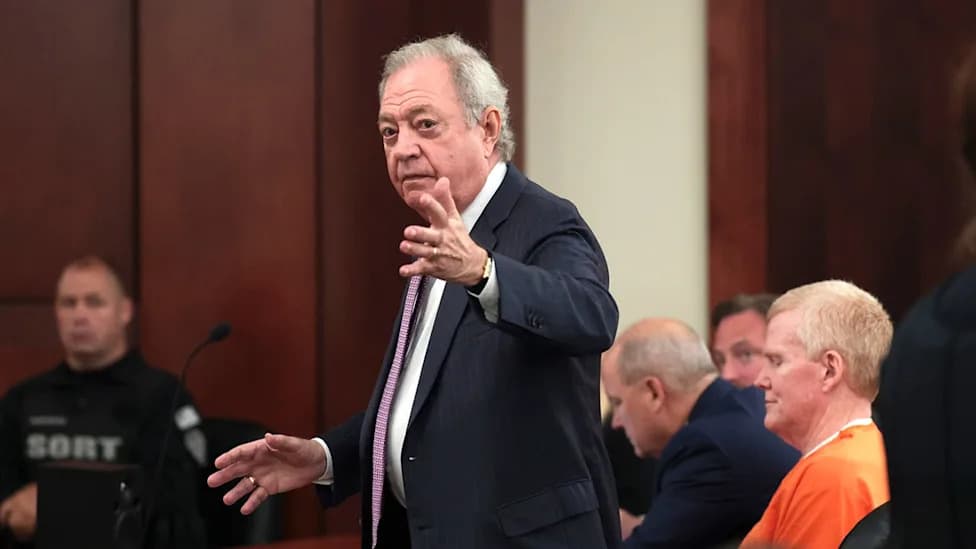
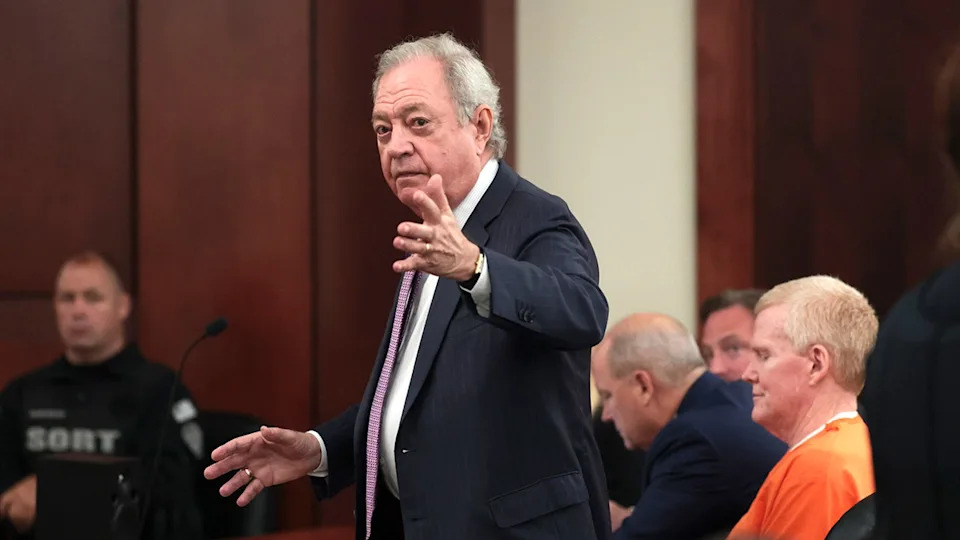
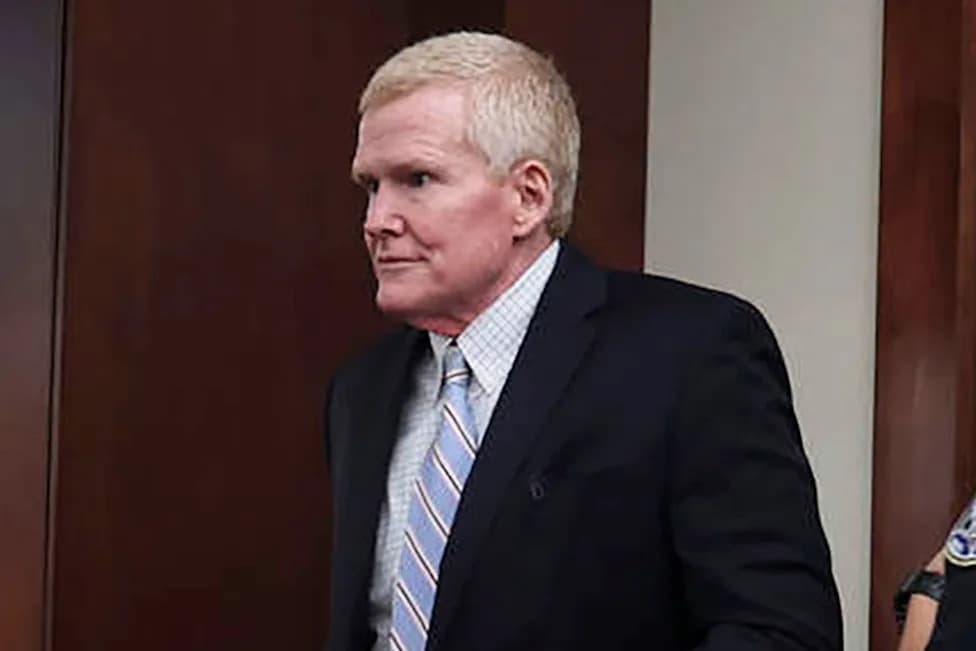
Defense attorney Dick Harpootlian represents his client, Alex Murdaugh, on Monday, June 29, 2026, at a status hearing at the Marc H. Westbrook Judicial Center in Lexington, South Carolina. Murdaugh will be retried in the June 7, 2021, shooting deaths of his wife and son, after his original conviction was overturned due to jury tampering.
Former federal prosecutor Nathan S. Williams described the dismissal bid as "a big ask" and "the explosive one," saying it attacks the core validity of the indictments and likely will require additional evidence, testimony and briefing before a court ruling.
Key Pretrial Battles
The pending disputes go beyond the dismissal effort. They include whether prosecutors may reintroduce detailed evidence of Murdaugh’s prior financial crimes, whether portions of his 2023 sworn testimony can be used at retrial, and how forensic material — including DNA evidence collected from underneath Maggie Murdaugh’s fingernails — will be handled and tested.
Prosecutors have not opposed additional DNA testing outright, but they have sought court-ordered safeguards about handling, testing protocols and access to results. Williams said independent retesting by the defense would not be surprising if the original material remains available.
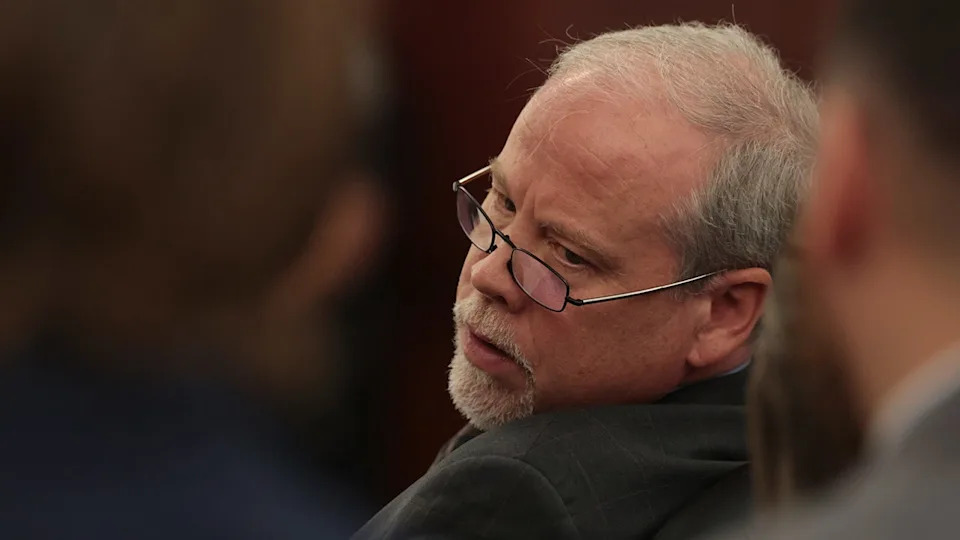
Prosecuting attorney Creighton Waters participates in a judicial hearing on Monday, June 29, 2026, at the Marc H. Westbrook Judicial Center in Lexington, South Carolina. Alex Murdaugh will be retried in the June 7, 2021, shooting deaths of his wife and son, after his original conviction was overturned due to jury tampering.
Venue, Discovery And Other Disputes
Murdaugh’s team has also asked to move the retrial out of Colleton County, where the killings occurred and where the first trial drew intense national attention. The defense proposes Charleston County as an alternative, arguing publicity and the fallout from misconduct by former Colleton County Clerk of Court Becky Hill make a fair trial in Colleton unlikely. Williams suggested a venue change is plausible but that the choice of replacement venue could become the central dispute.
Other issues before the court include access to phone data, third-party culpability evidence, discovery procedures, polygraph evidence, juror questionnaires and protective orders governing sensitive materials. Prosecuting attorney Creighton Waters has participated in recent pretrial hearings.
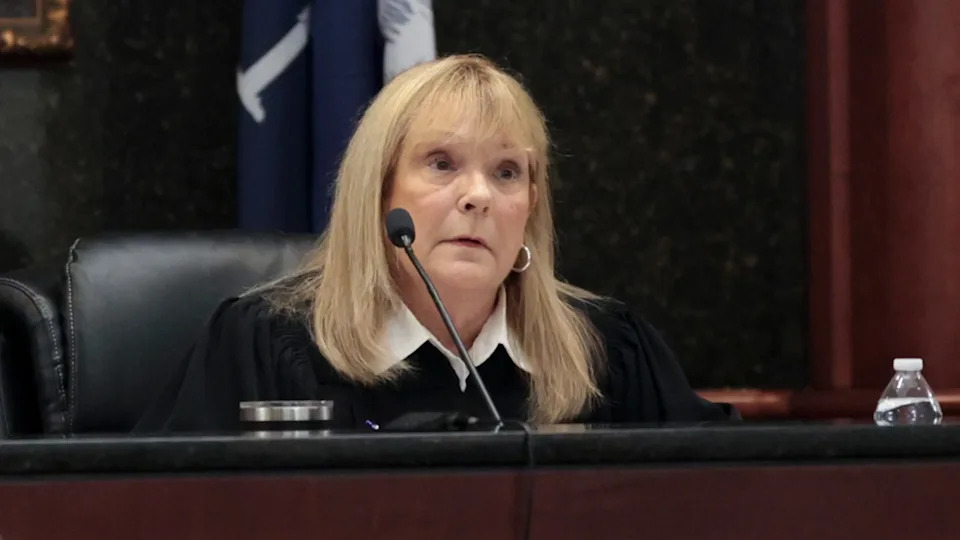
State Judge Debra McCaslin oversees a judicial hearing on Monday, June 29, 2026, at the Marc H. Westbrook Judicial Center in Lexington, South Carolina. Alex Murdaugh will be retried in the June 7, 2021, shooting deaths of his wife and son, after his original conviction was overturned due to jury tampering.
Background
Murdaugh, 58, was convicted in 2023 of murdering his wife Maggie, 52, and son Paul, 22, at the family’s Moselle estate on June 7, 2021. In 2026 the South Carolina Supreme Court unanimously overturned those convictions, finding that Becky Hill improperly influenced jurors and ordering a new trial. The retrial is currently scheduled for April 2027.
At the first trial, prosecutors argued that years of alleged financial theft and fraud were closing in on Murdaugh and that the killings were intended to distract from that scrutiny. Murdaugh testified in 2023, admitting he lied to investigators about his whereabouts shortly before the killings but denying he murdered his wife and son. Whether prosecutors may use parts of that prior testimony at retrial could be especially consequential if Murdaugh chooses not to testify again.
What’s Next
Judge McCaslin must now resolve which motions will be decided before trial and which require further hearings. Her rulings on the dismissal motion, the scope of financial-evidence the state may present, the admissibility of prior testimony, DNA retesting protocols and venue will shape the retrial’s contours and how the case is tried in 2027.