A 98-year-old woman in Lycoming County lost nearly $110,000 after scammers falsely told her she had won a Publishers Clearing House prize and demanded advance payments for taxes and fees. Federal prosecutors charged Ceyon and Christal Calvert in an indictment alleging a nationwide advance-fee scheme that targeted elderly victims. The Calverts pleaded not guilty and remain detained; the FBI, DHS and federal prosecutors continue to investigate. Authorities and the FTC warn that legitimate prizes never require payment and urge victims to report fraud at official government sites.
Fake Publishers Clearing House Scam Cost 98-Year-Old Nearly $110K — Couple Charged
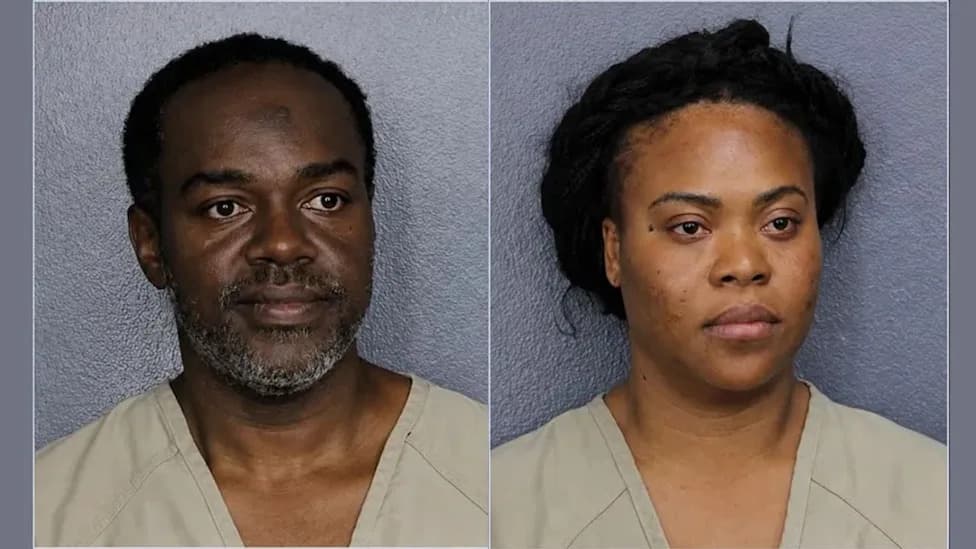
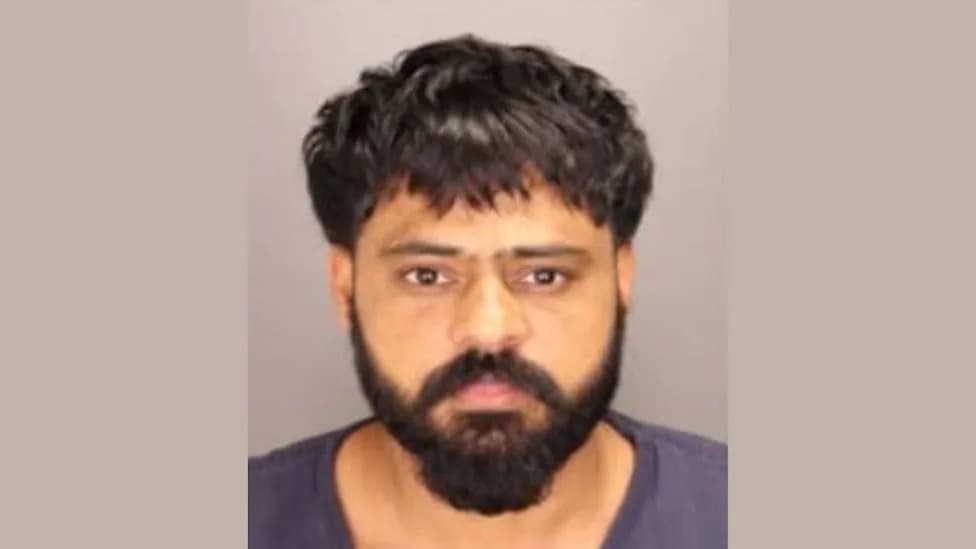
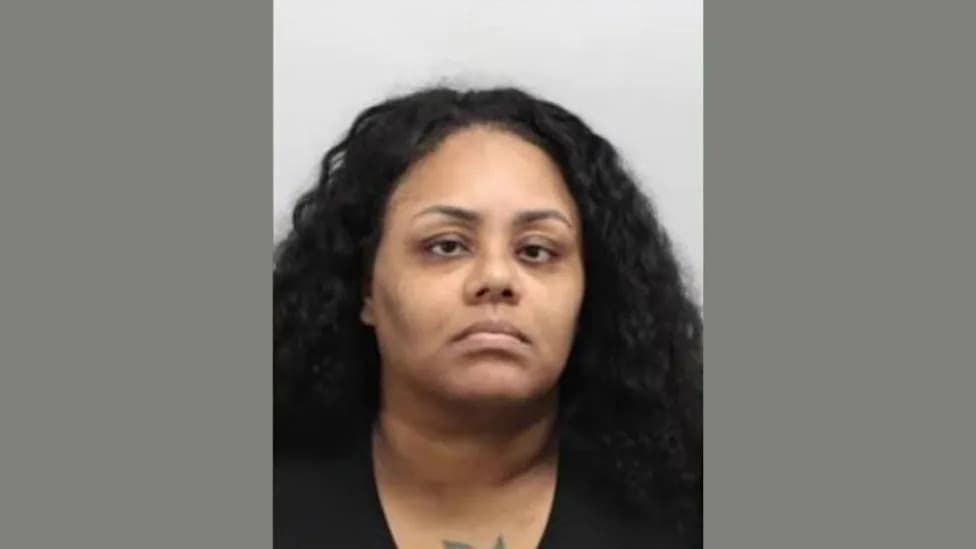
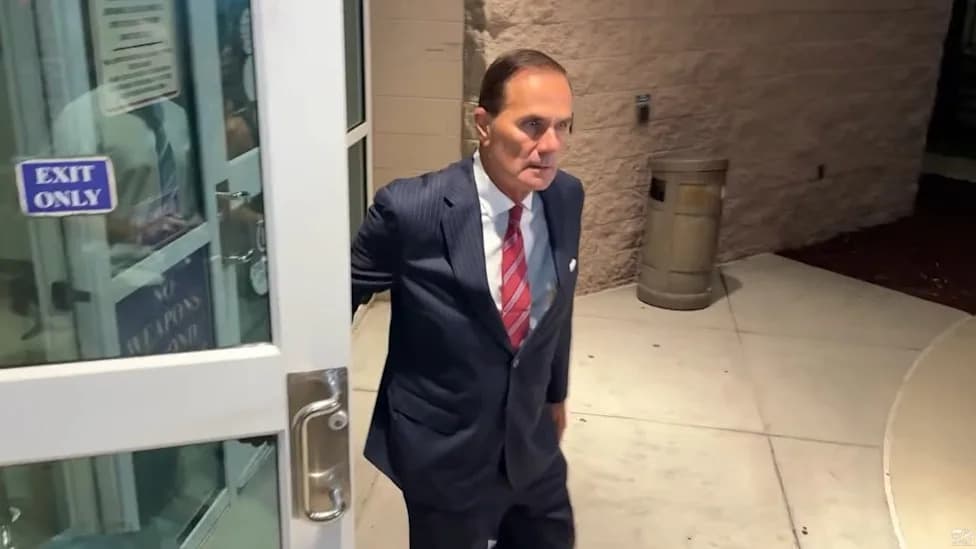
Image Credit: Broward County Sheriff's Office.
A 98-year-old woman in Lycoming County, Pennsylvania, lost nearly $110,000 after she was told she had won a Publishers Clearing House prize — a promise that prosecutors now say was part of a nationwide advance-fee fraud operation.
Allegations and Arrests
Federal prosecutors say the scheme used impersonations of Publishers Clearing House to convince elderly victims they had won multimillion-dollar prizes. Victims were then told they had to pay taxes, fees or other advance costs before the prize could be released. The money paid by victims, prosecutors allege, was the actual objective of the operation.
Authorities have charged Ceyon Calvert, 43, and Christal Calvert, 38, both of Pembroke Pines, Florida, in a federal indictment alleging conspiracy to commit wire and mail fraud. The indictment says the conspiracy began on an unknown date and continued through April 2026.
Federal agents arrested the Calverts in Florida on June 28, 2026. They appeared in federal court on Aug. 12, pleaded not guilty and were ordered detained pending trial. The charges carry a statutory maximum sentence of up to 20 years in prison, supervised release and possible fines; however, the defendants remain presumed innocent until proven guilty.
How the Scam Worked
According to prosecutors and consumer-protection agencies, perpetrators contacted elderly people and falsely told them they had won large prizes from Publishers Clearing House. To receive the winnings, victims were instructed to make large advance payments to cover taxes, processing fees, insurance, shipping or other expenses. After payments were made, the prizes never materialized.
Scammers often escalate demands: once a victim pays, fraudsters invent new obstacles and request additional funds, creating a painful sunk-cost dynamic that can make victims reluctant to stop sending money.
Warnings and Advice
Publishers Clearing House and the Federal Trade Commission warn that legitimate sweepstakes winners are never asked to pay to receive a prize. PCH states it does not call and demand money to claim prizes, and the FTC reiterates that authentic prizes do not require payment.
If you receive a prize notification, do not verify the claim using contact details supplied by the caller or message. Contact Publishers Clearing House directly through its official website. Never give a caller or message sender bank account numbers, credit-card information, Social Security numbers, or send cash, gift cards, cryptocurrency, wire transfers or app-based payments to collect a prize.
Anyone who has already sent money should stop further payments immediately and contact their bank or payment provider to report fraud. Whether funds can be recovered depends on the payment method and how quickly the transaction is reported.
Report suspected prize scams to the Federal Trade Commission at ReportFraud.ftc.gov and internet-enabled schemes to the FBI via IC3.gov. Contact local law enforcement if a substantial amount has been lost.
Help us improve.