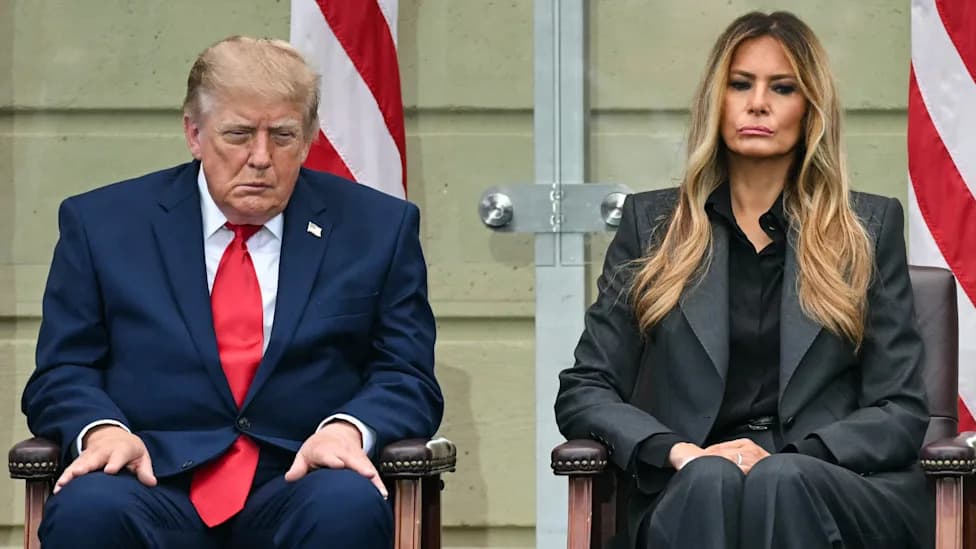
Jonathan Reiner, who once treated Dick Cheney, wrote in a New York Times op-ed that President Donald Trump "has not looked well" at times over the past year, citing bruises on his hands, leg swelling and episodes of apparent sleepiness. Reiner — who is not Mr. Trump’s physician — pointed to public records and photographs and urged Congress to form an independent commission to investigate. He listed seven areas for inquiry, including the cause of daytime sleepiness and the rationale for recent advanced imaging. Reiner has previously raised similar concerns on CNN.
Former Cheney Cardiologist Says Trump “Has Not Looked Well” and Urges Congressional Review
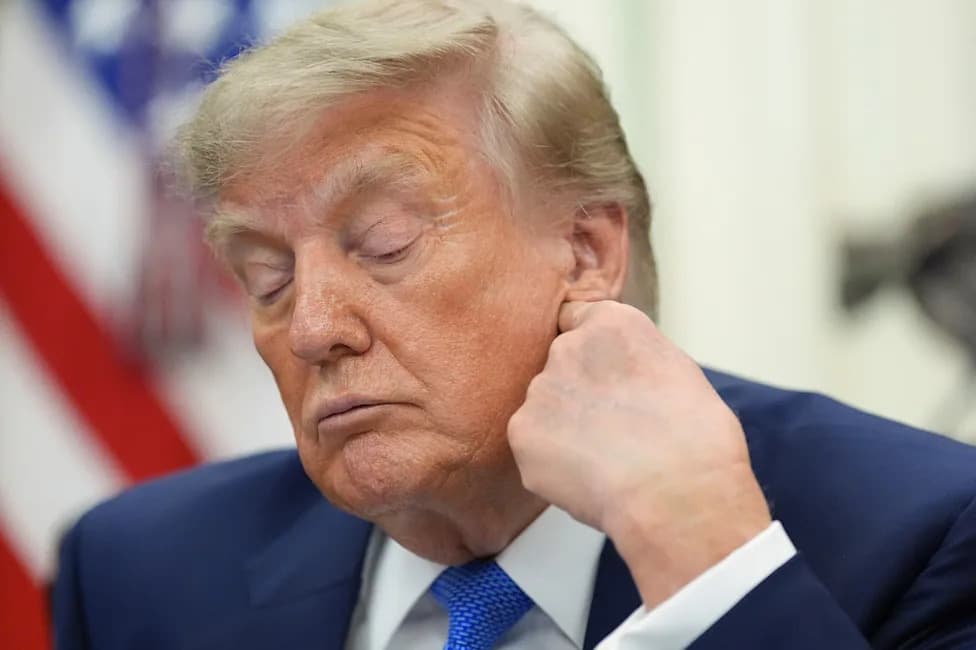
Jacquelyn Martin/AP photo
Jonathan Reiner, the cardiologist who once treated former Vice President Dick Cheney, published an opinion piece in The New York Times arguing that President Donald Trump "has not looked well" at times over the past year and that the White House should provide greater transparency about the president’s health.
"Despite reassurances from the White House to the contrary, at times over the past year, the president has not looked well," Reiner wrote.
Reiner emphasized that he is not President Trump’s clinician and based his observations on public records, photographs and widely seen footage. He singled out several visible signs that, he says, merit explanation: large bruises on both hands (the White House has attributed these to frequent handshakes), swelling in the legs, and repeated episodes when the president appeared excessively sleepy or struggled to stay awake at events.
He also noted that the president has undergone advanced imaging, including an MRI last year that drew public attention, and questioned why those tests were performed. Taken together, Reiner argued, these findings raise legitimate questions about the commander in chief’s fitness to carry out his duties.
Call For An Independent Review
To address those concerns, Reiner urged Congress to establish an independent commission to examine the facts and make findings public. He outlined seven possible areas of inquiry — examples include the cause of the president’s apparent daytime sleepiness, the medical reasons for the recent advanced imaging, and whether any medications or conditions might affect alertness and decision-making.
Context And Previous Comments
Reiner has raised similar concerns before. In May he told CNN anchor Kate Bolduan that the public deserves a "clear understanding" that the president is "fit for duty," and suggested Mr. Trump may be experiencing daytime somnolence, a disorder characterized by an uncontrollable urge to fall asleep during waking hours.
Reiner concluded that, in a representative democracy, citizens must have confidence in the health and capacity of their leader, and that more transparency is needed so the public can judge for itself.
Note: The remarks summarized here derive from Reiner’s New York Times op-ed and subsequent media coverage.
Help us improve.