The Gordie Howe International Bridge inspection centre in Detroit is a high‑tech point of interdiction, but CBP agents report that more fentanyl appears to be moving from the US into Canada than the other way around. Seizures in the Detroit sector are relatively small, and much of the illicit supply chain begins at the southern border or in domestic pill production. Mexican cartels are cited as major producers, while political tensions have grown after the US declared a 'national emergency' and threatened large tariffs on Canadian goods.
Gordie Howe Port Reveals Unexpected Flow: More Fentanyl Moving North Than South, Say US Agents
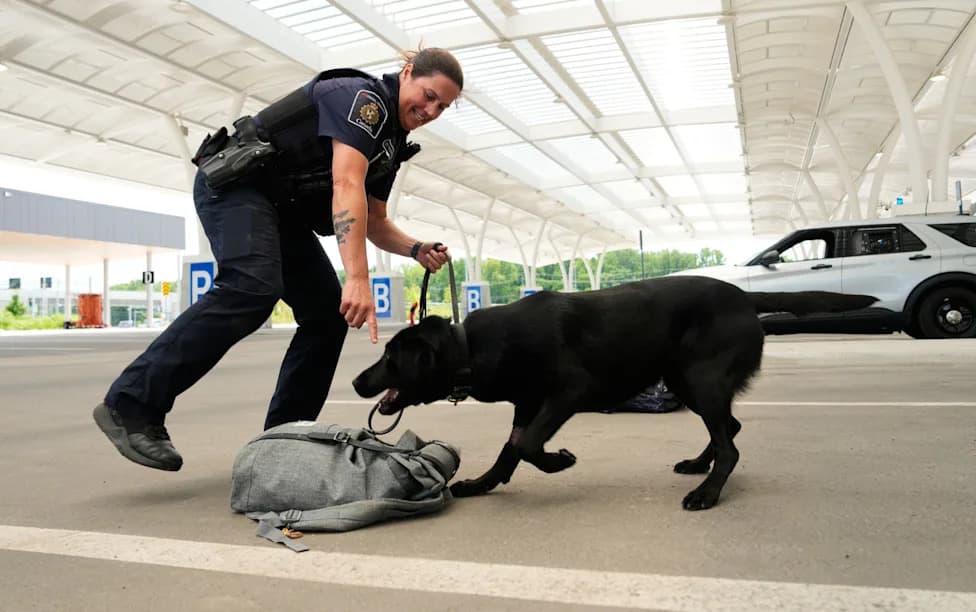
Agents on the Canada border say they are intercepting more fentanyl being trafficked out of the US than in - Paul Sancya/AP
The United States' new inspection complex at the Gordie Howe International Bridge in Detroit is a high-tech bulwark against cross‑border smuggling — but agents working at the site say the problem may not be what the White House claims. Rather than a surge of fentanyl entering the US from Canada, officers report that more of the drug appears to be moving north from the United States into Canada.
What The Facility Looks Like
The inspection centre serving the Gordie Howe International Bridge covers roughly 326,000 sq ft and sits on 167 acres of former industrial land. The project carried a multi‑billion dollar price tag (reported between $4.6bn and $4.7bn) after nearly eight years of construction. Officials describe a starkly lit, purpose‑built complex equipped with advanced imaging systems and modern screening technology designed to intercept contraband.
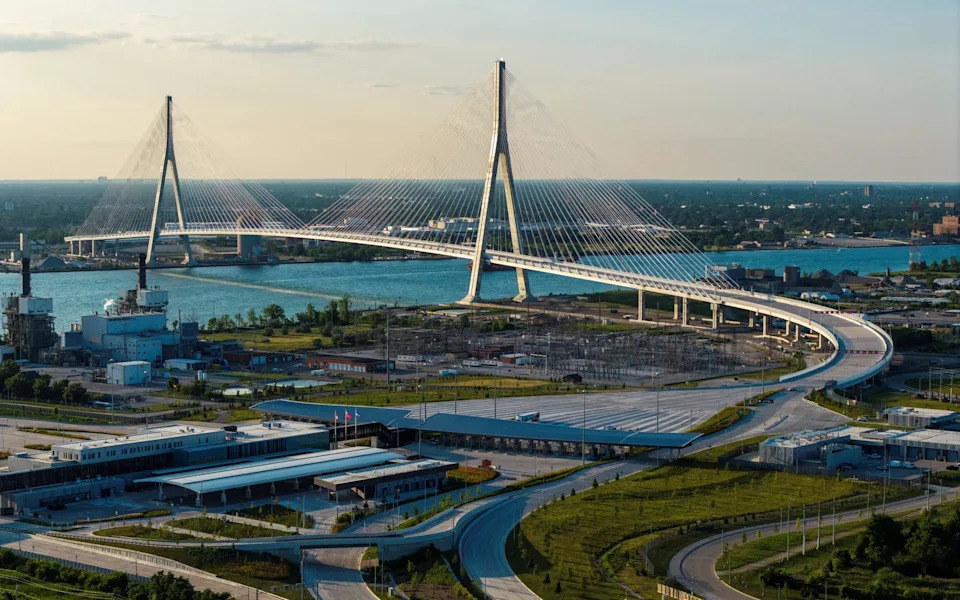
The Gordie Howe International Bridge, which connects Windsor, Ontario, and Detroit, Michigan, cost $4.7bn - Carlos Osorio
Border Agents' View Of The Flow
Customs and Border Patrol (CBP) officers based in Detroit told reporters that opioid smuggling from Canada into the US is "not really that big of a problem." Instead, they say trafficking from the US into Canada is more common, with illicit pills and powders often originating with suppliers in Mexico or being produced domestically before moving north.
'It's not really that big of a problem for inbound. We get a lot of it going outbound,' said Lavarah Miller, a CBP watch commander who led a tour of the facility.
How Smugglers Move Drugs
The Detroit sector is separated from Canada by water and includes three major crossings: the Gordie Howe International Bridge, the Ambassador Bridge and the Detroit‑Windsor Tunnel. Smugglers also exploit the Detroit River — which can reach about 2,000 ft in width — using small boats that blend with daytime traffic or crossing on snowmobiles when the river freezes.
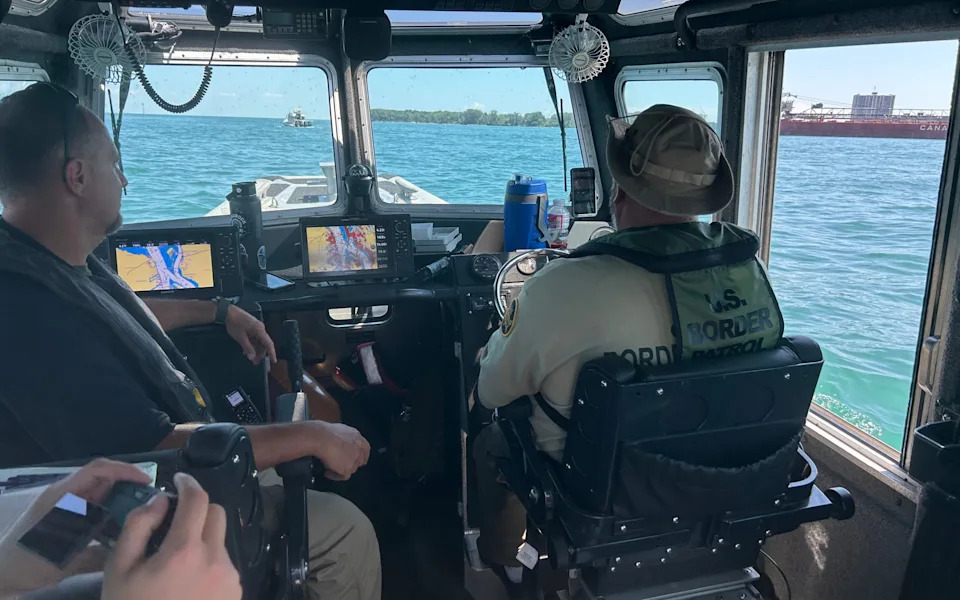
Agents use fast and manoeuvrable boats to track smugglers in the Detroit River - Benedict Smith for The Telegraph
Agents described maritime and aerial assets used to interdict smugglers: fast, manoeuvrable 'Safe' boats, Airbus H125 and UH‑60 Black Hawk helicopters, surveillance towers, ground sensors and radar. The sector also relies on a team of detection dogs: 10 narcotics dogs, two firearms dogs and two agriculture dogs.
What The Data Shows
CBP statistics indicate that fentanyl seizures in the Detroit sector — which covers roughly 860 miles of the northern border — are relatively infrequent and small in scale. While public figures do not always record the intended direction of seized shipments, the Canadian government reported in 2025 that 81% of fentanyl seizures and 65% of methamphetamine seizures originated from the United States.
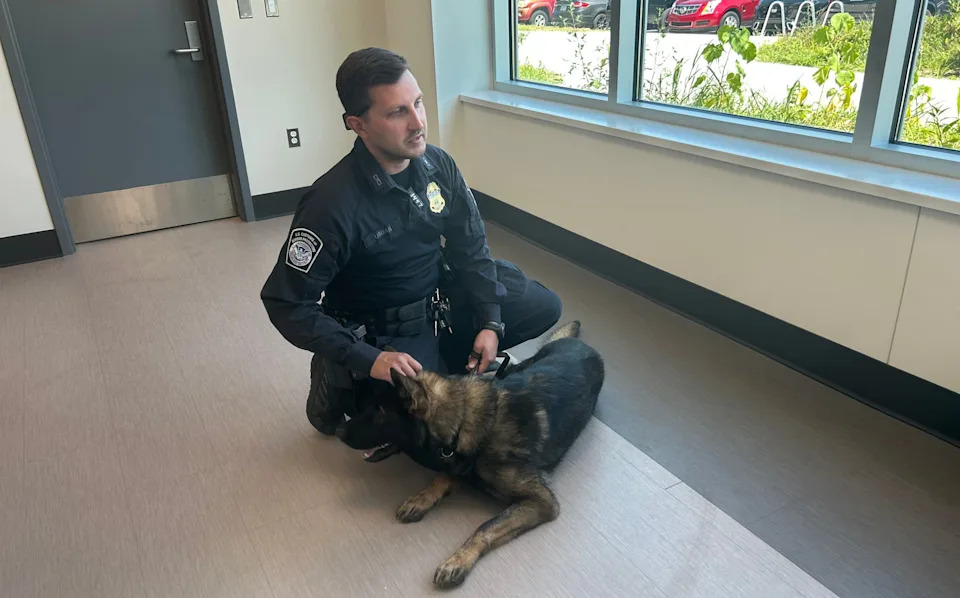
Bryan Boos, a border patrol dog handler, says meth and cocaine makes its way into Canada from Mexico - Benedict Smith for The Telegraph
The Drug Enforcement Administration (DEA) and other authorities say Mexican cartels remain the principal producers of the fentanyl that reaches North American markets, often supplied with precursor chemicals or equipment traced to foreign manufacturers. The DEA has also warned that domestic production of counterfeit fentanyl pills has increased, typically using powder smuggled across the southern US border.
Other Routes And Substances
Cocaine and methamphetamine also move north through the United States toward Canada. Border personnel described 'bulk' shipments moved in trailers or trucks a few times a month and noted that the US often functions as a transport route for South American cocaine destined for Canada or other markets.

Donald Trump used X to justify tariffs and heightened border security - Evelyn Hockstein
Politics And Cooperation
In early 2025, President Donald Trump declared trafficking from Canada a 'national emergency' and issued an executive order citing an "unusual and extraordinary threat." The administration has sought steep tariffs on Canadian goods and in 2025 announced proposed 50% duties on roughly $20bn of targeted imports, prompting Ottawa to cancel a joint opening event for the Gordie Howe Bridge.
Despite political tensions, northern border agents emphasized close operational ties with Canadian law enforcement. 'We have a great, tremendous relationship with our law enforcement counterparts,' said Youssef Fawaz, a CBP communications officer in Detroit. 'We have to have those interpersonal relationships because that's how we secure our borders.'
The picture that emerges at the Gordie Howe port is complex: a cutting‑edge facility doing sophisticated work, facing multidirectional trafficking patterns that complicate simple political narratives about where illicit opioids originate and how they move across the continent.
Help us improve.