Ukraine faces an acute air-defense shortfall as Russia ramps up missile and drone attacks, including 198 ballistic and hypersonic missiles reported in July. Kyiv has received roughly one-third of the interceptors it had in the same period of 2025, straining Patriot batteries and forcing a limited F-16 fleet to counter cheap Shahed drones. Ukraine has requested 10 additional Patriot batteries, missiles, and $6 billion for drone production; the article urges the U.S. and NATO to prioritize interceptor deliveries, accelerate production, deploy F-16s and fund a $70 billion 2026 partner package. Coordinated, predictable support now is essential to prevent civilian suffering and bolster Western security.
How the West Can Help Ukraine Repel Russia’s Winter Air Offensive
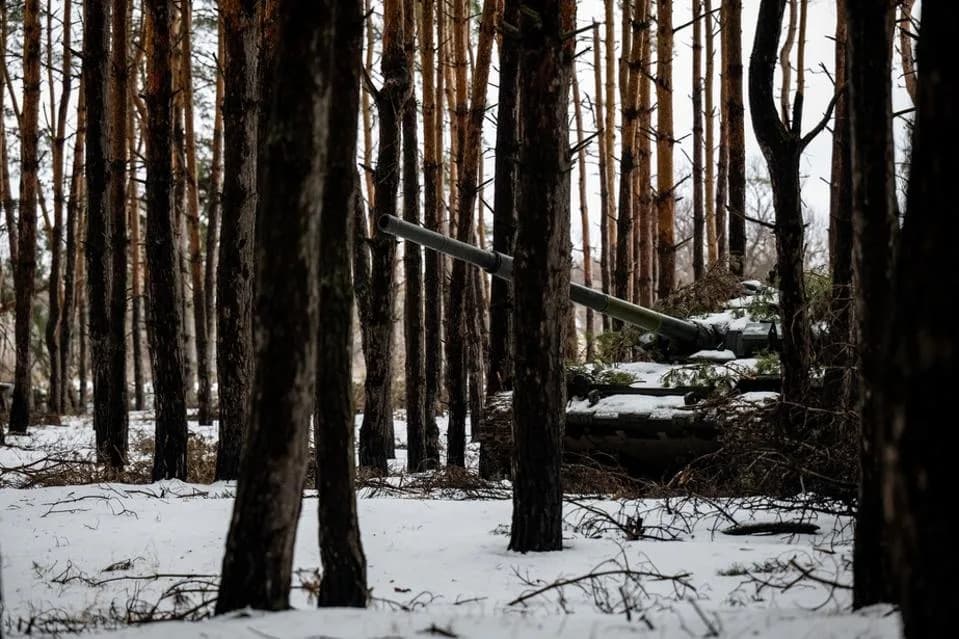
A company of Ukrainian tanks is deployed in a stand-by position, hidden in a snowy forest. This winter's Russian offensive is expected to be extremely difficult for Ukraine. (Photo by Scott Peterson/Getty Images)Getty Images
A company of Ukrainian tanks is deployed in reserve, concealed in a snowy stand of trees as Kyiv braces for an especially hard winter and a renewed Russian offensive.
Air-Defense Shortage Is an Immediate Crisis
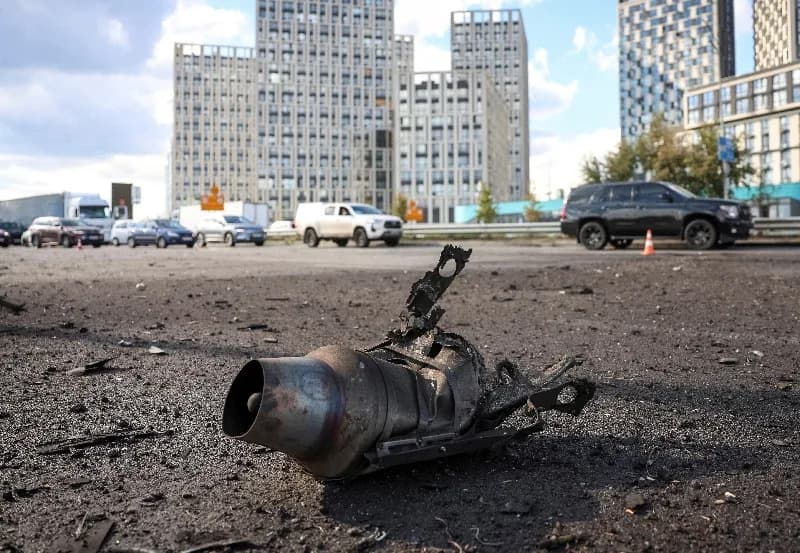
Despite strong battlefield performance in recent months, Ukraine faces an acute air-defense emergency that could determine its ability to withstand a renewed Russian campaign. In July, Russian forces launched a record barrage of missiles and drones, including a troubling total of 198 ballistic and hypersonic missiles. President Volodymyr Zelensky reported in early August that Ukraine has received only about one-third as many interceptors so far in 2026 as it did in the same period of 2025.
Strain Across All Layers of Defense
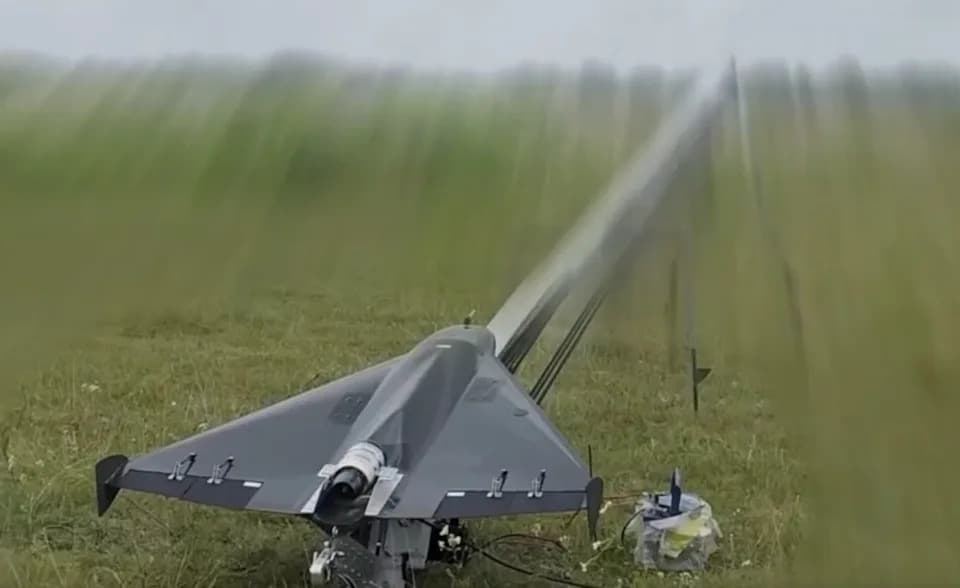
The shortfall shows across every layer of Ukraine’s defenses. Patriot batteries—the only consistently reliable counter to ballistic missiles—are running low on interceptors. Ukraine’s modest F-16 fleet (39 of 79 promised aircraft) has been forced to spend valuable flight hours intercepting inexpensive Shahed drones, a mission that is better handled by ground-based systems. At the same time, Russia is adapting: jet-powered Shahed variants are flying fast enough to evade many interceptor drones.
Moscow’s Objectives and the Civilian Risk
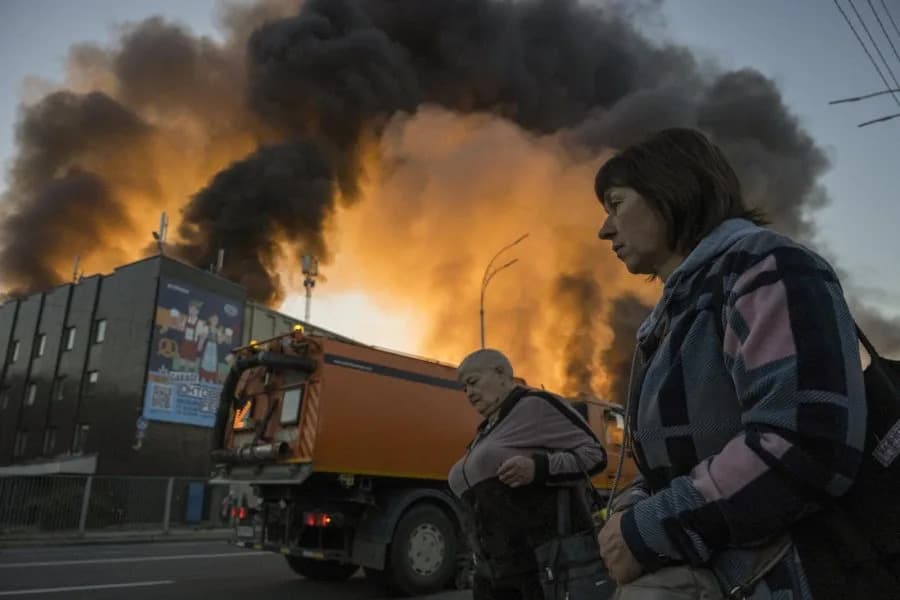
Moscow appears to be pursuing two main objectives: degrade Ukraine’s missile production and strike energy infrastructure to leave large areas without heat or power this winter. Kremlin planners appear to calculate that mass deprivation could sap civilian morale, weaken resistance and pressure Kyiv toward capitulation. Hospitals, rail links, schools and commercial enterprises are all at risk.
What Ukraine Is Asking For
Ukraine’s defense minister has made a clear request: ten additional Patriot batteries, missiles for Patriot and other air-defense systems, and $6 billion to scale up drone production—including low-cost interceptor drones purpose-built to counter Shahed swarms.
Recommended Western Actions
- Prioritize interceptor deliveries: The United States and NATO should immediately prioritize shipments to Ukraine and accelerate production lines dedicated to Kyiv’s needs while boosting overall output across allied industry.
- License local production: The U.S. should restore and honor commitments (earlier suggested by former administrations) to license Ukraine to build Patriot-compatible interceptors domestically, reducing dependence on foreign shipments.
- Reinforce the air fleet: Washington should rapidly deploy 50 or more F-16s from its fleet of over 800, and NATO partners should contribute at least 30 more from existing stocks.
- Share missile stocks and finance support: European countries (including Belgium, Denmark, the Netherlands, Norway and Germany) should transfer parts of their missile-system inventories, and Europe should fund the $70 billion partner package Kyiv has requested for 2026.
- Ensure predictability: Coordinated, predictable funding and delivery schedules are as important as hardware—unpredictable timelines can be as damaging as outright shortages.
"If interceptor supplies continue to fall while Russian strikes increase, Ukrainian civilians will face severe hardship this winter,"
Urgent, effective action now will help protect Ukrainian civilians and strengthen European and transatlantic security. What isolationists and pro-Kremlin voices often miss is that a resilient Ukraine is also a stronger defense for the West.
Help us improve.