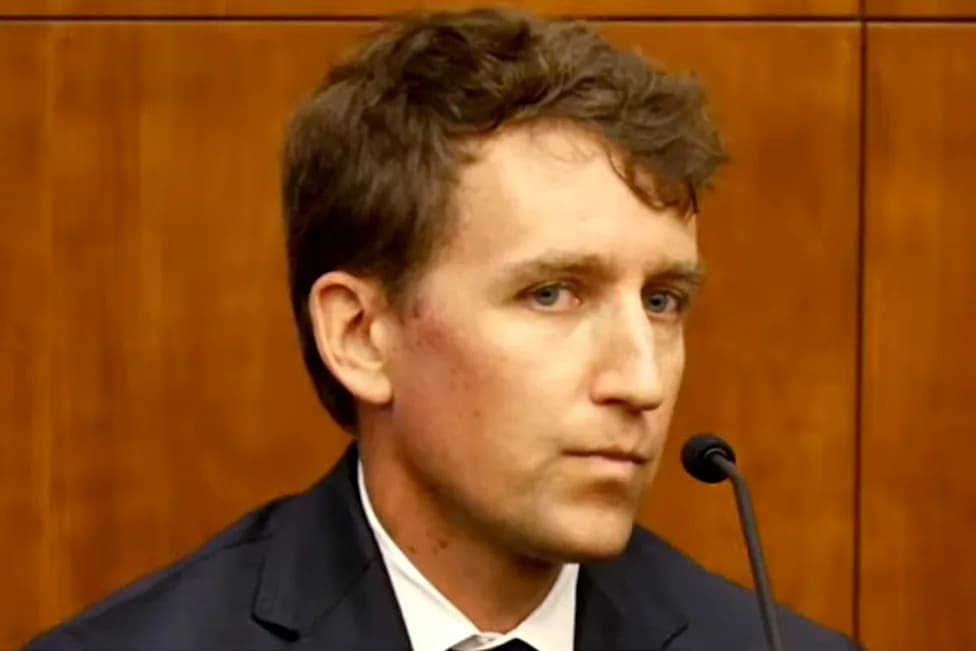
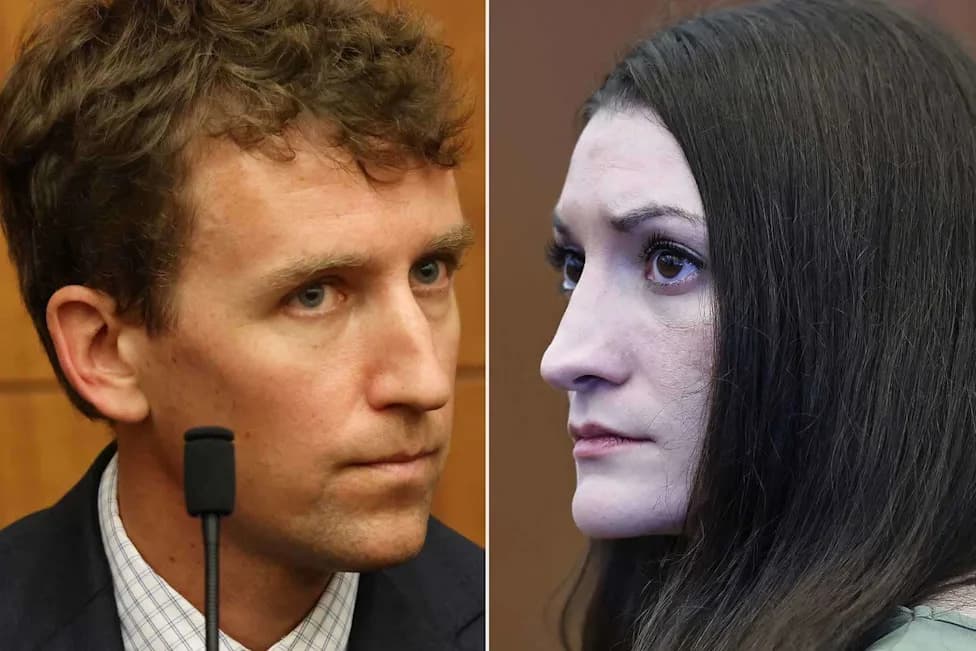
Psychiatric nurse Rebecca Jollotta testified that Lindsay Clancy sent messages in late 2022 expressing fear about changing medications and alarming numbness, writing she felt like she might die. Jollotta said she reassured Clancy and cautioned that psychiatric medications often take weeks to work. Clancy has pleaded not guilty to three murder charges in the Jan. 24, 2023 deaths of her children; her defense argues she suffered postpartum psychosis and that clinicians failed to coordinate care. Jollotta denies civil claims that she overmedicated the patient.
Nurse Testifies About ‘I Feel Like I'm Going to Die’ Messages From Lindsay Clancy Ahead Of Children’s Deaths
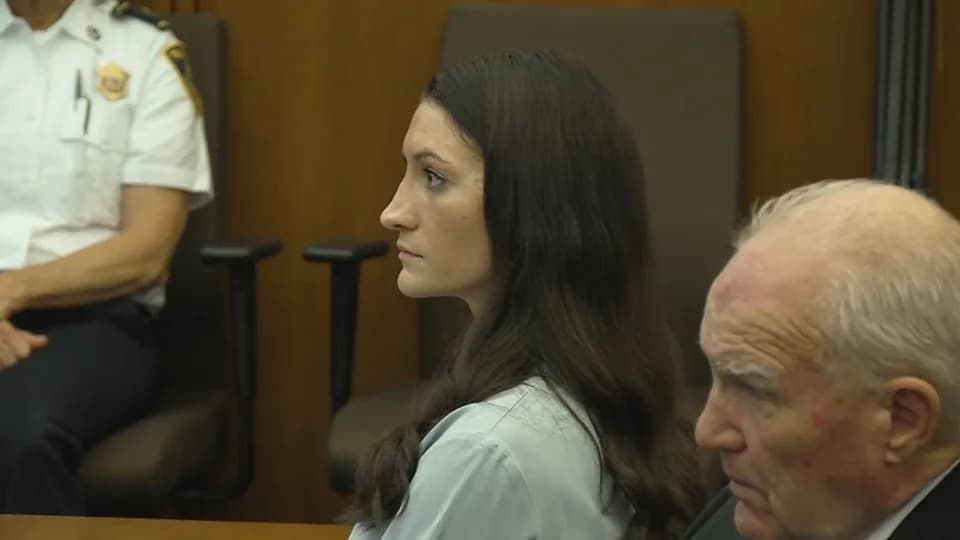
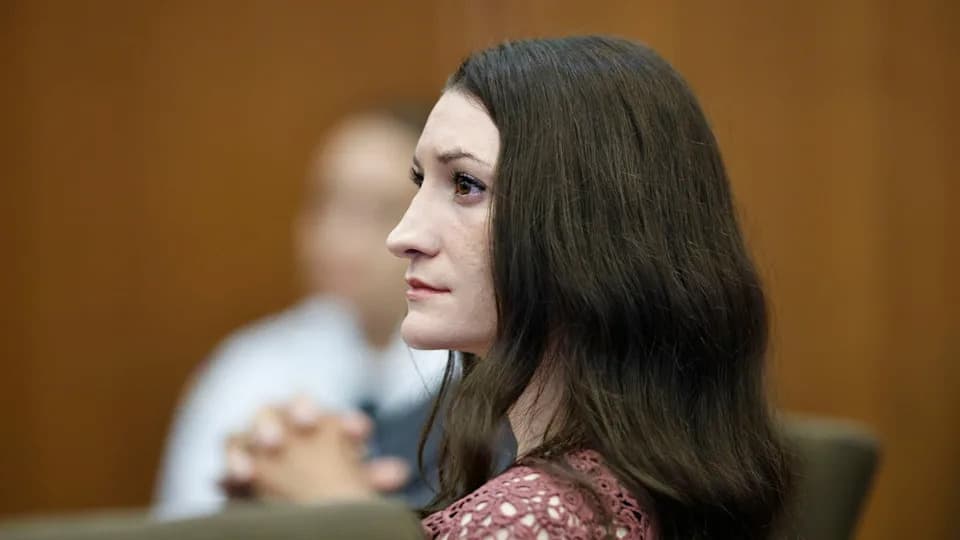
Pool via ABC News - PHOTO: Defendant Lindsay Clancy during her murder trial at Plymouth Superior Court, in Plymouth, Mass.., Aug. 11, 2026.
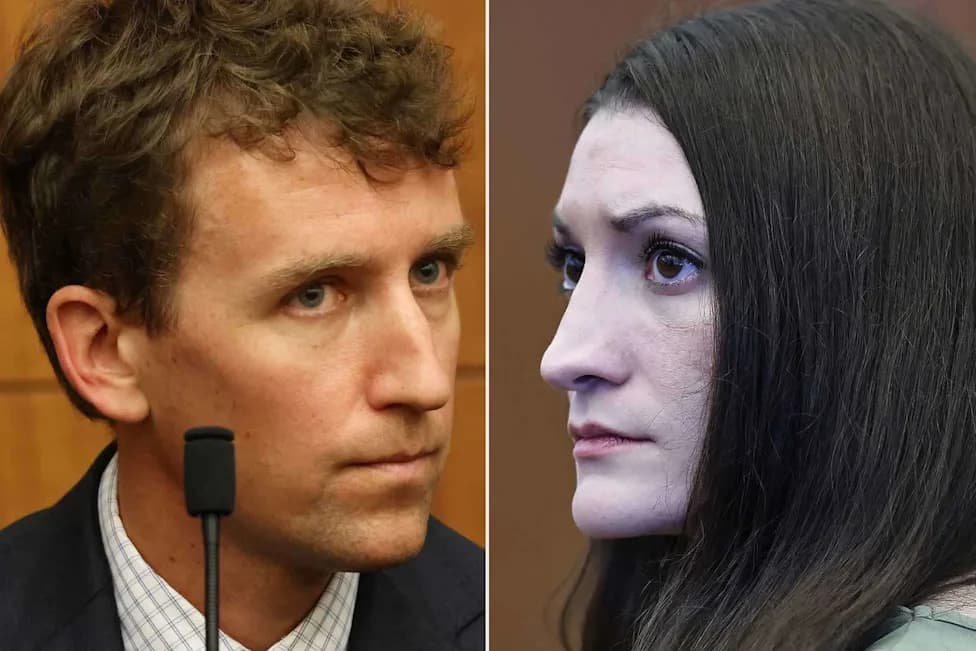
Rebecca Jollotta, the psychiatric nurse practitioner who treated Massachusetts mother Lindsay Clancy, testified Tuesday about a series of messages exchanged in the weeks before prosecutors say Clancy killed her three children on Jan. 24, 2023.
Jollotta said Clancy repeatedly requested changes to her psychiatric medications even as she acknowledged that switching drugs might significantly affect her mental state. In messages quoted by prosecutors, Clancy wrote that starting new medications was "very scary" and expressed deep numbness, saying, "I also just feel concerningly numb right now, like I have no emotion whatsoever. I feel like I'm going to die, and I don't care. What do I do about this?"
Jollotta’s Response: On the witness stand in Plymouth, Jollotta said she reassured Clancy and provided detailed answers to common patient questions about medications. She emphasized that many psychiatric drugs take several weeks to produce relief and encouraged Clancy that her symptoms were treatable. "Even though they feel terrible, remember that there are symptoms of an illness that is very real and very treatable. This is going to get better," Jollotta testified.
Jollotta began treating Clancy in November 2022 after Clancy reported severe anxiety and exhaustion caused by lack of sleep. Jollotta told jurors she believed Clancy showed symptoms consistent with postpartum depression, and noted that Clancy attributed many symptoms to medication side effects and expressed concern about possible Ativan dependence.
Defense Claims And Cross-Examination
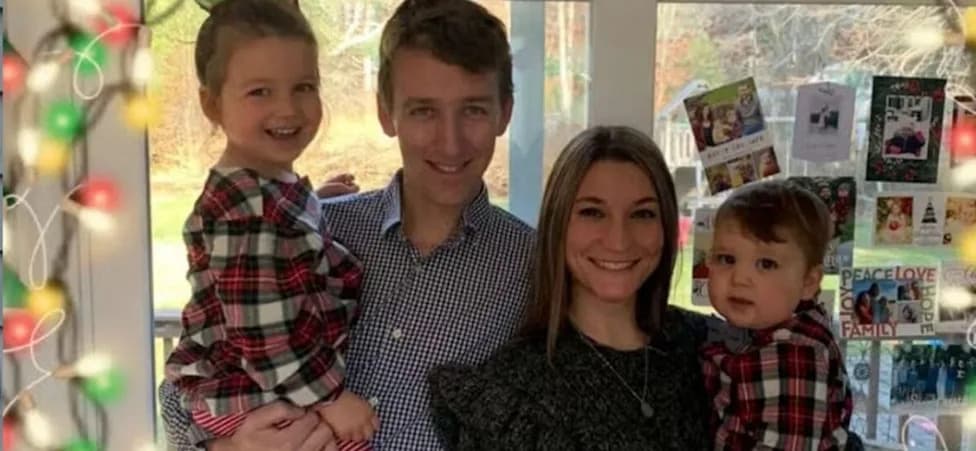
Clancy, 35, has pleaded not guilty to three counts of murder in the deaths of her 5-year-old daughter, Cora; her 3-year-old son, Dawson; and infant son, Callan. Her defense attorney, Kevin Reddington, has argued that Clancy suffered severe mental illness, including postpartum psychosis — a rare but serious psychiatric emergency marked by rapid-onset symptoms such as mania, depression or hallucinations.
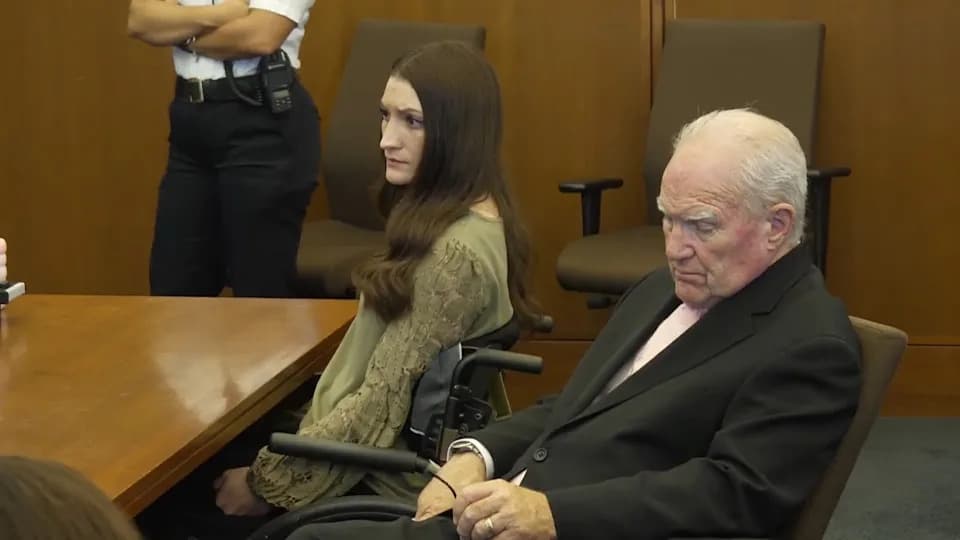
Reddington has asserted that the clinicians treating Clancy failed to coordinate care and mismanaged medications. On cross-examination, he pressed Jollotta about whether she had communicated with Dr. Jennifer Tufts, the psychiatrist who was treating Clancy during the same period; Jollotta said she had not. The attorney also criticized Jollotta for being briefly unavailable while on vacation as Clancy’s condition worsened. Jollotta testified she asked Clancy not to taper her medication while she was away and said Clancy planned to consult her other psychiatrist.
Reddington further told the jury that Clancy had been denied entry to a postpartum program at a nearby hospital "because of their concern that she had been overmedicated by drugs," and that she had twice called a crisis hotline without receiving sufficient support. Jollotta is among the clinicians named in civil litigation by both Clancy and her ex-husband, alleging overmedication and inadequate care; Jollotta denies those claims.
Context: The case has raised questions about how clinicians communicate across specialties, how medication risks and benefits are weighed for postpartum patients, and what safety nets exist when a patient reports severe symptoms between visits.
Help us improve.