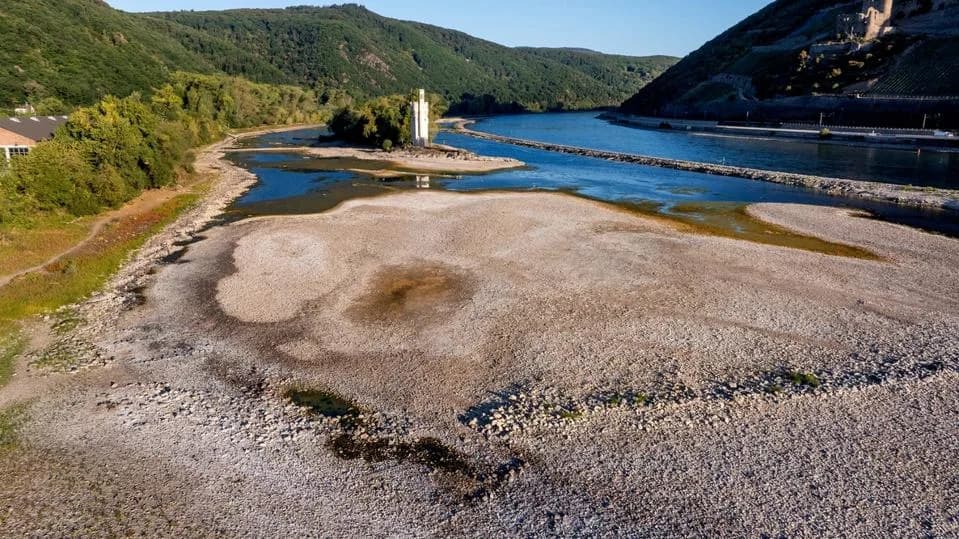
The U.N. World Meteorological Organization warns extreme heat events are becoming more frequent, more intense and longer-lasting as the planet warms. Much of Europe is facing a fifth summer heatwave amid drought, wildfires and record temperatures driven by persistent high-pressure systems. WMO expert John Kennedy highlighted that decades of warming — amplified by unusually warm seas and dry soils — have transformed isolated hot spells into widespread above-average temperatures.
U.N. Weather Agency: Extreme Heat Is Becoming More Frequent, Intense and Longer — Europe Faces Fifth Heatwave

A man cools his child with water from the Fontana della Barcaccia during a heatwave in Rome, Italy, August 6, 2026. REUTERS/Claudia Chieppa
GENEVA, Aug 11 (Reuters) — Periods of extreme heat are occurring more often, growing more intense and lasting longer as the planet warms, the U.N. World Meteorological Organization (WMO) warned on Tuesday. The agency cited changes since the famously hot European summer of 1976.
Large parts of Europe are now facing their fifth heatwave of a summer already marked by drought, wildfires and record temperatures. "Extreme heat is becoming more frequent, more intense, it's lasting longer, and covering much wider areas than in the cooler climates of the past," said John Kennedy, head of climate information at the WMO, at a briefing in Geneva.
Kennedy explained that the current heat pattern across Europe — the world's fastest-warming continent — results from the interaction of a persistent series of high-pressure systems across the Northern Hemisphere with an overall warmer climate. These high-pressure systems trap warm air, reduce cloud cover and block cooler air from moving in, allowing heat to build and persist for days or weeks.
He added that El Niño — the natural climate phenomenon that can boost global temperatures — is not a driver of Europe’s heat this year because conditions in the tropical Pacific are currently neutral.
Changes Over Five Decades
Kennedy noted that June 1976 showed a broadly similar arrangement of highs and lows to this year, but that decades of warming have produced very different outcomes. "The picture for 1976 is one of a few isolated areas above average in a much cooler world," he said, whereas today "the picture is reversed," with much of the globe experiencing above-average temperatures and only a few isolated cooler regions.
Exceptionally warm seas and parched soils are amplifying heat across Europe. Marine heatwaves in the Mediterranean and in waters west of Europe provide extra background warmth that reinforces persistent high-pressure systems and helps fuel hotter conditions on land. Dry soils, once moisture is depleted, warm more quickly and contribute to the intensity and persistence of heatwaves.
"Lots of these factors are coming together to give us the record heat that we're seeing this year," Kennedy said.
(Reporting by Olivia Le Poidevin; Editing by Keith Weir)
Help us improve.