China has accelerated its lunar program
Race for the Moon: China’s Fast-Moving Lunar Push, U.S. Response, and What’s at Stake
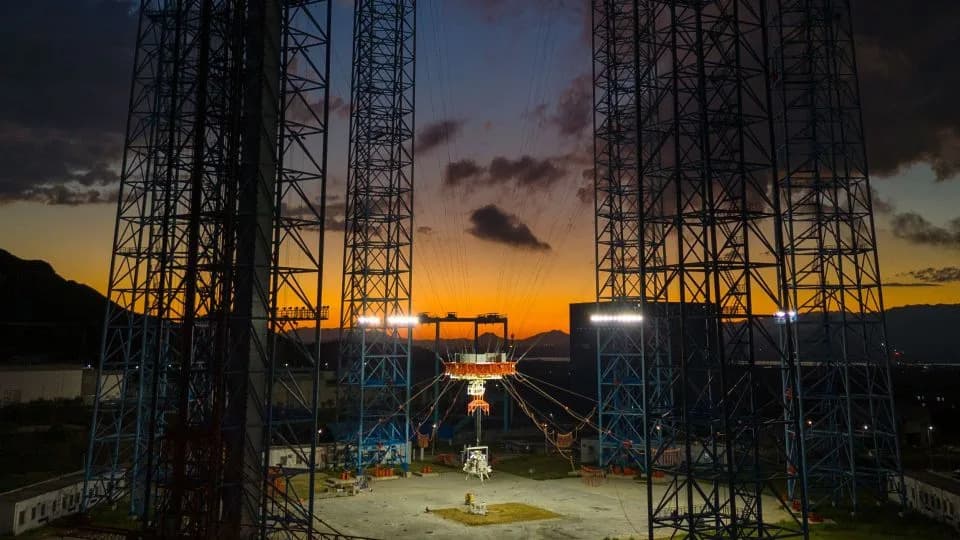
A lunar lander is seen at a test site in Huailai county, in China's Hebei province, in 2025. - Xinhua/Shutterstock
A decades-old, gravity-defying competition is accelerating: China has made rapid advances in space technology while the United States is intensifying efforts to respond. Beijing's recent milestones — a modern orbital lab and far-side lunar samples — and its public goal of a permanent moon settlement by 2040 have set off urgent debate in Washington about strategy, timelines and the rules that will govern activity on the lunar surface.
Why the South Pole Matters
Both countries are focusing on the moon's south pole because scientists believe it harbors water ice. That ice can be processed into drinking water, breathable oxygen and rocket propellant, making sustainable lunar bases and deeper space missions far more practical and cost-effective.
China's Approach
China has pursued a top-down, sustained lunar program that dates back to the early 2000s. It launched the Tiangong space station and returned samples from the moon's far side, achievements that underscore technical maturity. Beijing has signaled two headline targets: a crewed lunar landing by about 2030 and a permanent settlement by 2040.
Chang'e-7 is a complex robotic mission planned to survey the south pole using an orbiter, lander, rover and a mobile hopper. It aims to drill for and directly analyze water ice — an objective China may attempt sooner than the U.S. Chang'e successes, ground tests of the Lanyue lander systems, and test flights of the Long March 10 and Mengzhou crew capsule suggest a relatively straightforward Chinese architecture: two heavy launches (crew capsule and lander) that would dock in orbit without requiring in-space refueling.
China also promotes plans for an International Lunar Research Station (ILRS), potentially in partnership with Russia, including studies of nuclear power to provide robust base energy. Such partnerships raise questions about timelines and political constraints given global tensions and the war in Ukraine.
Where the United States Stands
NASA is pursuing lunar return under the Artemis program but is relying heavily on private industry. Artemis II demonstrated crewed lunar flyby capabilities, while later Artemis missions depend on commercial landers such as SpaceX's Starship and Blue Origin's Blue Moon. NASA has targeted a crewed lunar landing by about 2028, though that timeline faces technical and budgetary risks.
The U.S. is also funding robotic efforts: Astrobotic's Griffin lander is slated to attempt a south-pole landing in late 2026 to learn from prior mishaps. The U.S. approach requires in-orbit refueling of landers, a complex cryogenic propellant transfer never yet achieved in flight.
Legal, Security, And Political Stakes
The legal framework for extracting and using lunar resources is ambiguous. The 1967 Outer Space Treaty bars national appropriation of celestial bodies but leaves room for interpretation about resource use and operational safety zones. The U.S. has advanced the Artemis Accords to codify norms including resource extraction and temporary exclusion zones; 70 countries have signed, but China and several partners have not.
Bilateral cooperation is constrained: U.S. laws such as ITAR and the Wolf Amendment, along with recent visa limits, restrict NASA-China collaboration. U.S. policymakers cite concerns about intellectual property, espionage and technology transfer. Still, experts note that long-term practical needs like collision avoidance, planetary defense and debris mitigation could push rivals toward some level of coordination.
What Comes Next
The immediate months and years will be important: planned south-pole robotic missions, the Griffin attempt in 2026, tests of commercial human landers for Artemis, and China’s potential Chang'e-7 deployment will all reveal capabilities and intentions. Whether competition yields confrontation, parallel coexistence, or limited cooperation will depend on diplomacy, international norms, and how nations handle resource rights and safety on the lunar surface.
In short: A symbolic crewed landing matters for prestige, but the harder challenge is building and sustaining a lunar settlement — an effort that requires decades, power solutions, stable logistics and global rules.

At a shopping mall in Beijing, a giant screen shows taikonauts saluting inside the Tianhe core module of China's space station in 2021. - Thomas Peter/Reuters

The moon rises in the sky on night of the Mid-Autumn Festival in September 2024 in Nanjing, in China's Jiangsu province. - Yang Bo/China News Service/VCG/Getty Images
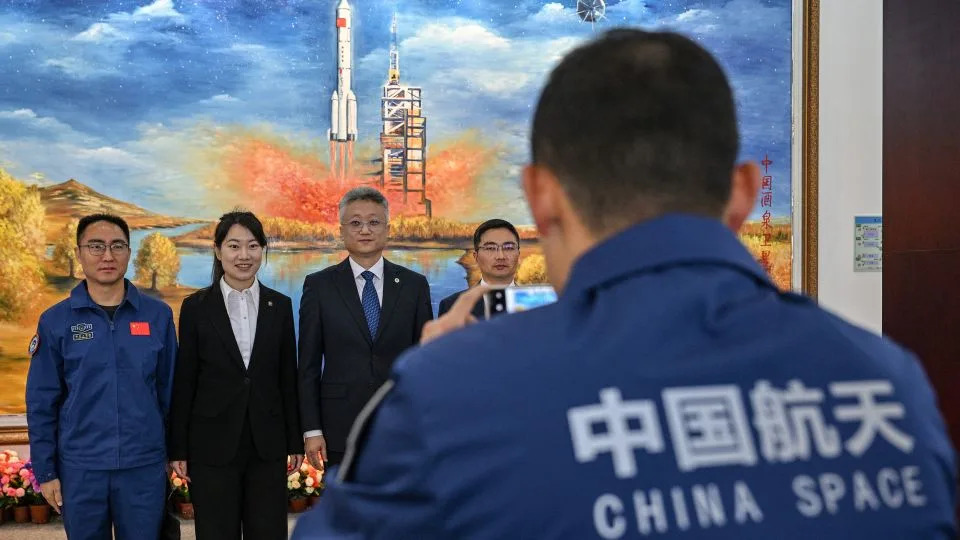
Zhang Jingbo (third from left), spokesperson for the China Manned Space Program, poses with staff members at the Jiuquan Satellite Launch Centre in China's Gansu province in 2025. - Hector Retamal/AFP/Getty Images
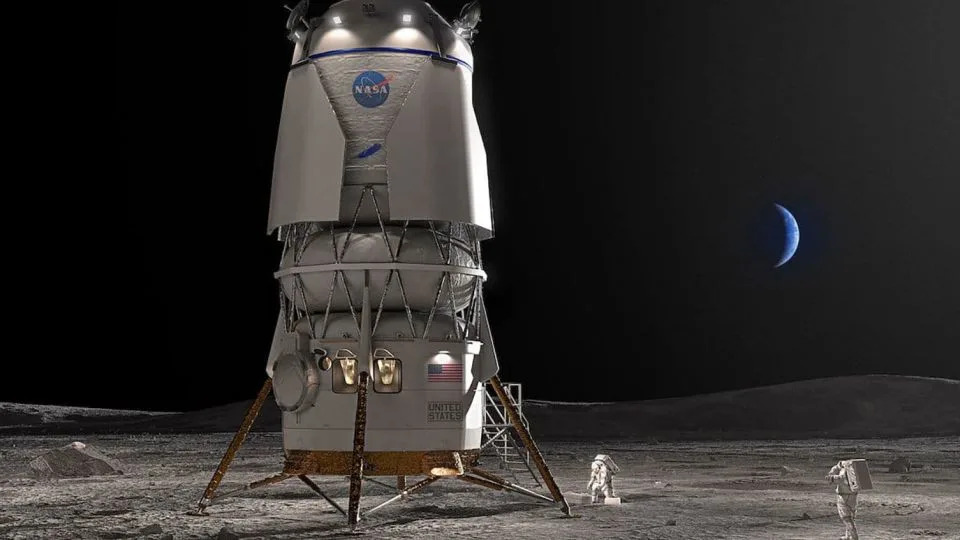
This artist's concept shows Blue Origin's Blue Moon landing system on the moon. - NASA
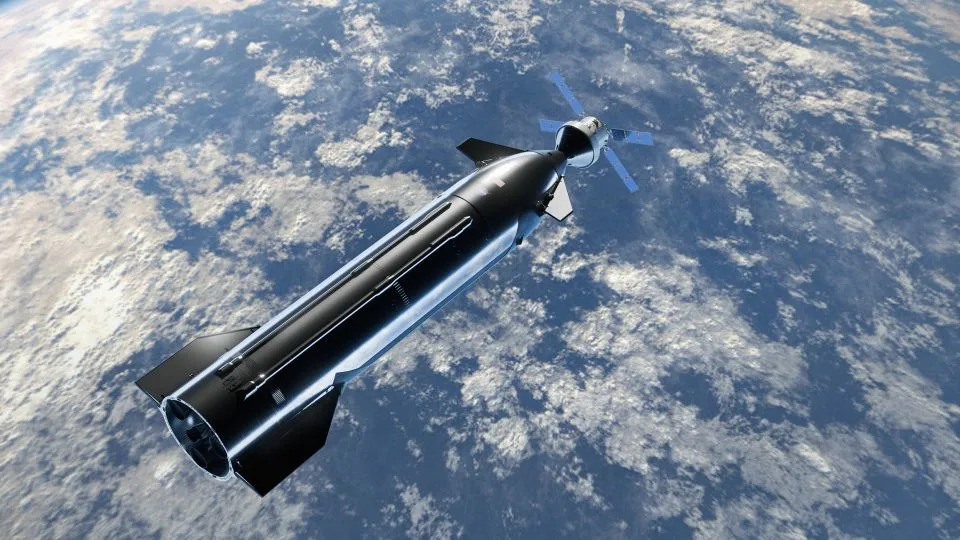
This artist's rendering depicts NASA's Orion spacecraft docking with a test version of SpaceX's Starship human landing system during the upcoming Artemis III mission in low-Earth orbit. - SpaceX/NASA
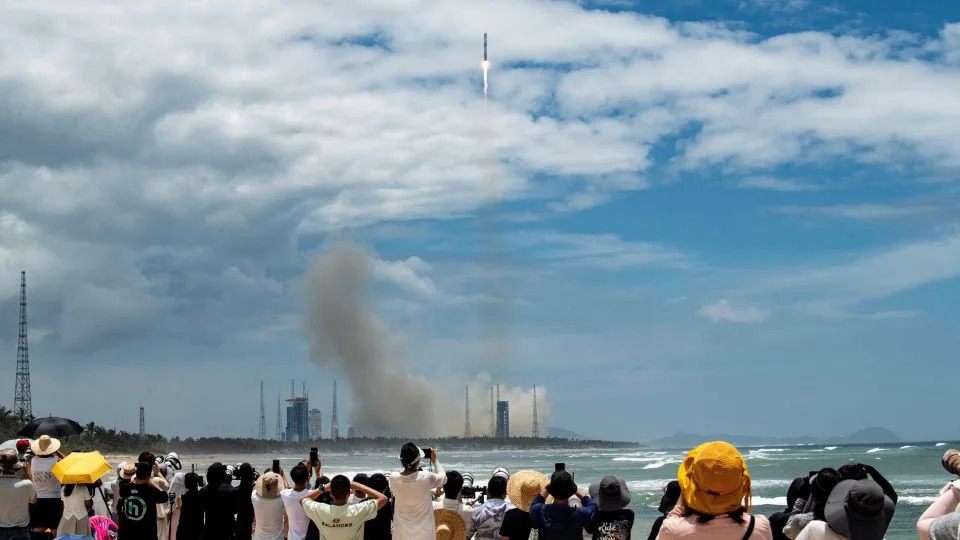
A Long March-10B carrier rocket blasts off from the Hainan commercial spacecraft launch site in Wenchang, in China's Hainan province, in July. - Meng Zhongde/Xinhua News Agency/Getty Images
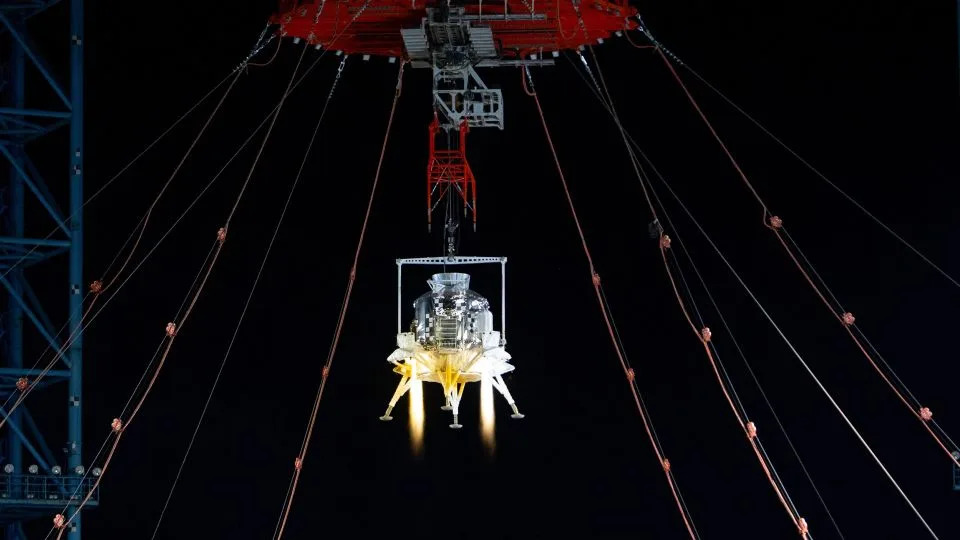
A lunar lander's successful trial in 2025 for extraterrestrial landing and takeoff at a site in Huailai county, in Hebei province, marks a key step in the development of China's lunar exploration program. - Xinhua/Shutterstock
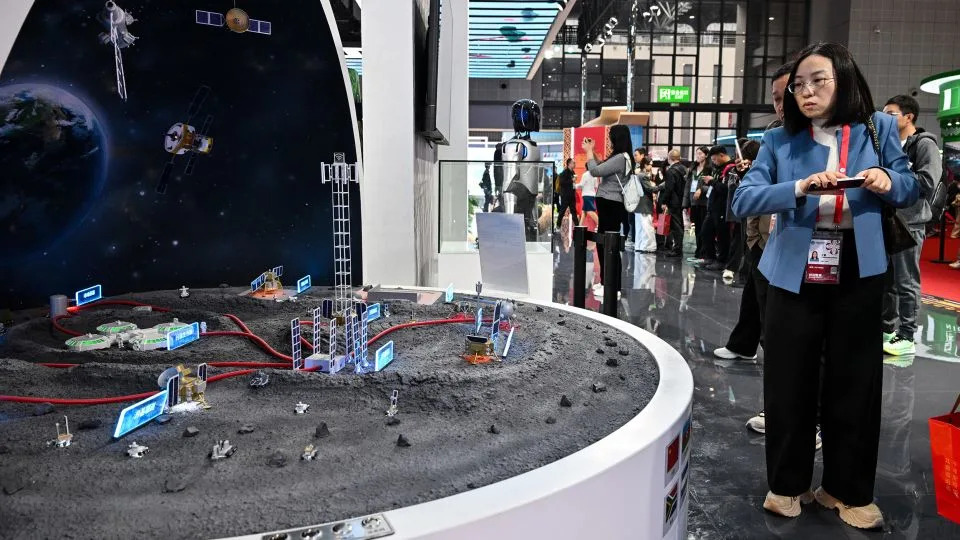
Visitors look at a scale model of the International Lunar Research Station at China's pavilion during the 8th International Import Expo in Shanghai in 2025. - Hector Retamal/AFP/Getty Images

Swiss Federal Councillor Guy Parmelin (right) signs the Artemis Accords beside then-NASA Administrator Bill Nelson during a ceremony at NASA headquarters in Washington, DC, in 2024. - Michael Reynolds/EPA-EFE/Shutterstock
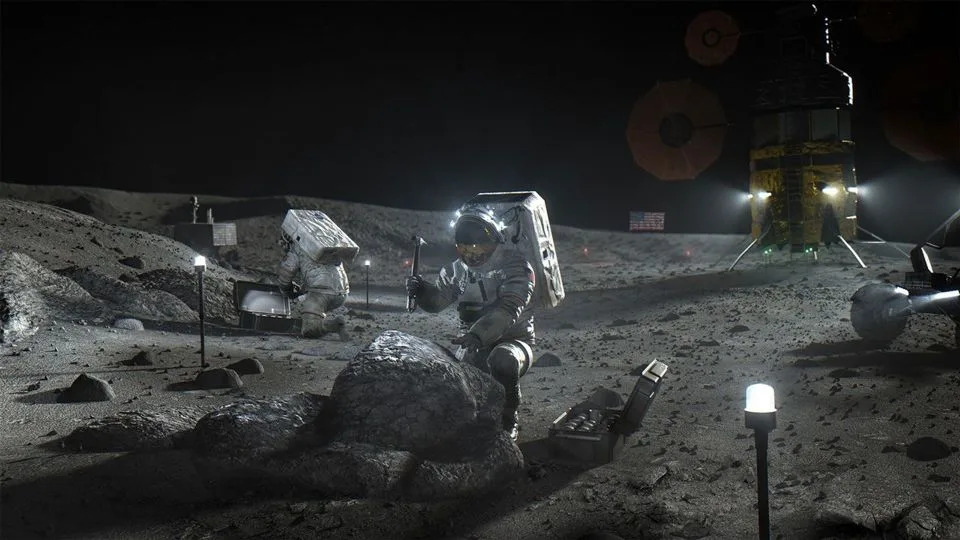
This artist's concept depicts astronauts at work on a lunar base. - NASA
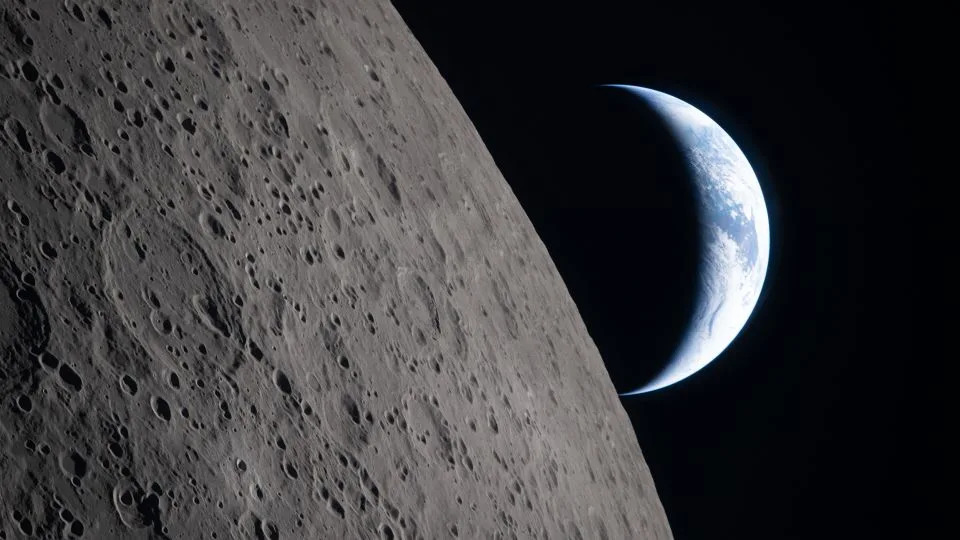
The Artemis II crew photographed the moon and Earth during a lunar flyby mission in April. - NASA
Help us improve.