
At least 111 people have died after a magnitude 7.4 earthquake hit western Colombia early Monday, prompting a national state of emergency. The quake—centred near San José del Palmar in Chocó at a depth of 103 km—caused severe damage in Pereira, Cali and other cities, with dozens of buildings collapsed and people trapped. President Abelardo de la Espriella declared a disaster response as international partners offered support and rescue operations continue.
At Least 111 Dead After Powerful 7.4-Magnitude Earthquake Rocks Western Colombia
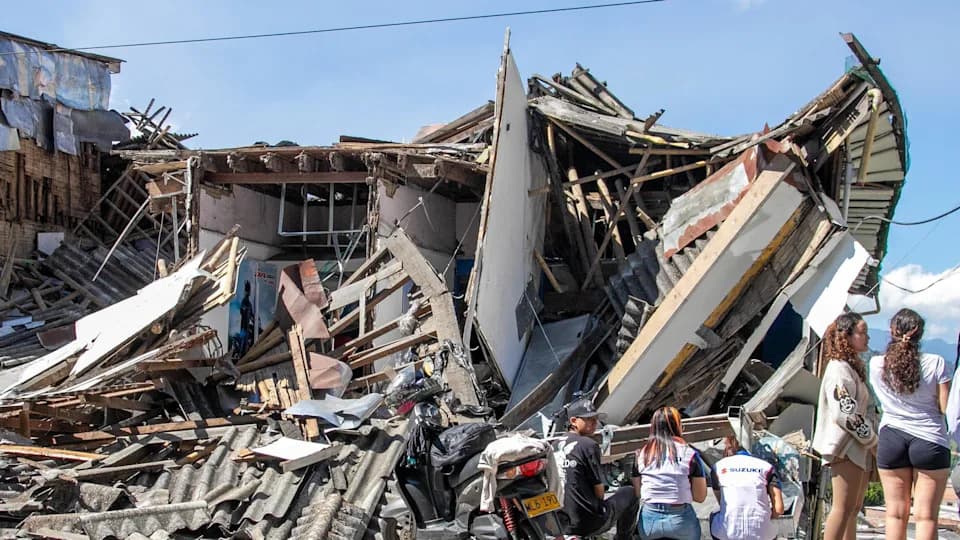
Buildings were destroyed in the city of Manizales [EPA]
At least 111 people have died and authorities have declared a national state of emergency after a powerful magnitude 7.4 earthquake struck western Colombia early on Monday. The quake, which occurred at 07:34 local time (12:34 GMT) and originated about 103 km (64 miles) below the surface, was felt across a vast area of the country and beyond.
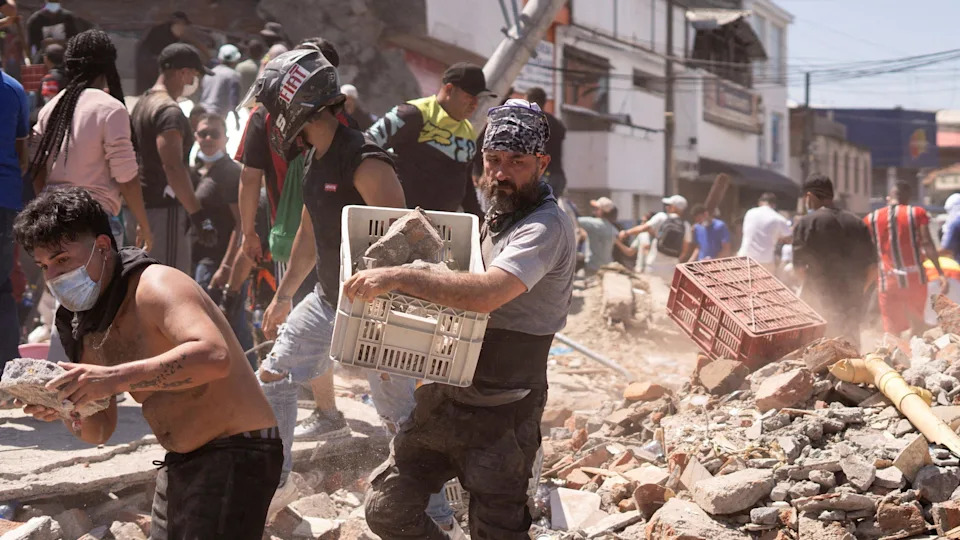
Dozens of buildings have collapsed in the city of Cali [Reuters]
Widespread Damage and Human Cost
Many fatalities and the worst destruction were reported in the coffee-region city of Pereira, roughly 55 km (34 miles) from the epicentre near San José del Palmar in Chocó province. Local authorities reported about 65 collapsed buildings in Pereira's metropolitan area and at least 40 deaths there; rescuers believe people remain trapped in around 15 buildings. A curfew was imposed in parts of the city until 05:00 on Tuesday.
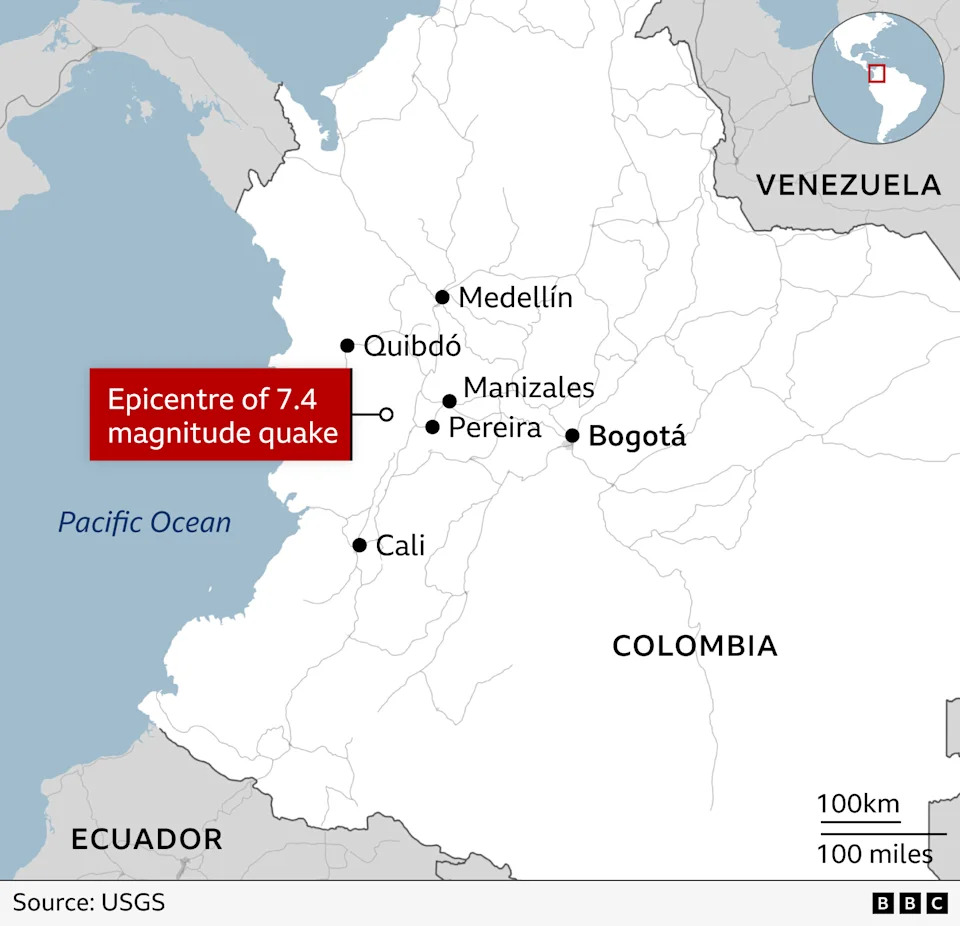
[BBC]
In Cali, approximately 160 km south of Pereira, officials reported 32 collapsed buildings. Deaths and structural damage were also reported in Manizales, Quibdó, Medellín and elsewhere across the Valle del Cauca and Chocó regions. Authorities say more than 1,500 homes have been damaged nationwide.
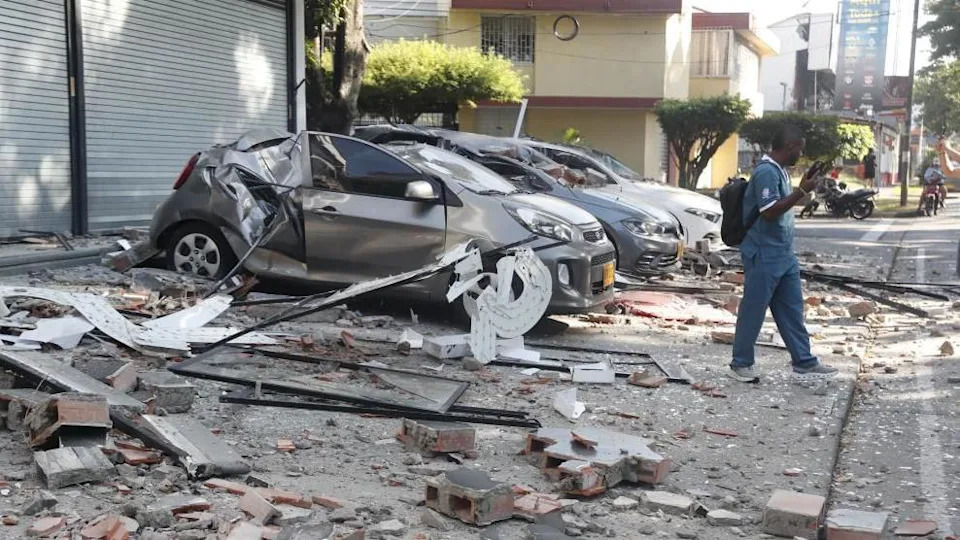
In Cali, Colombia's third most populous city, buildings collapsed [EPA]
Eyewitness Accounts
"I've never experienced anything like it," said Dan Cutler, a visitor in Cali. "We sprinted outside in our pyjamas. There's no major structural damage to the hotel, but there are surface cracks and plaster peeling off."
In Manizales, Angélica Ávila described dust and falling bricks as walls cracked and people screamed. Local journalist Luis Felipe Molina said strict seismic building codes helped many structures withstand the tremor, though glass and books fell and residents were terrified.
Infrastructure, Airports and Wider Reach
Colombia's aviation authority reported damage at several regional airports, including Pereira, Manizales, Quibdó, Armenia, Cartago and Buenaventura. In the capital, Bogotá, trees and traffic lights shook and some buildings showed cracks, but there were no immediate reports of catastrophic infrastructure failures in the city.
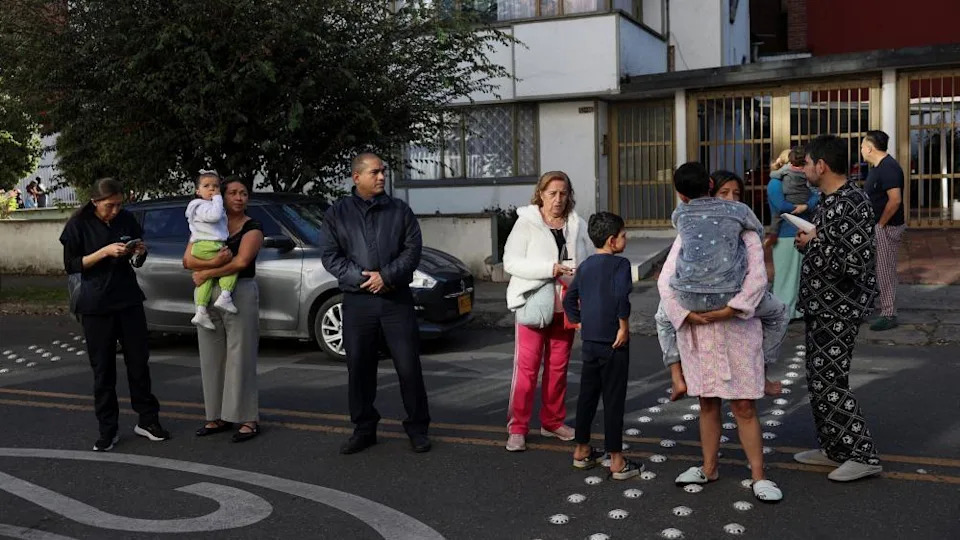
The quake was felt in the capital, Bogotá, hundreds of kilometres away with residents evacuated [REUTERS/Luisa Gonzalez]
Tremors were felt as far away as neighbouring Venezuela, Ecuador and Panama. According to the US Geological Survey, roughly 1.5 million people experienced shaking close to magnitude seven. The USGS also notes that deep earthquakes (around 100 km deep) often produce widespread shaking but tend to cause different aftershock patterns than shallow quakes.
Government Response and International Offers of Help
President Abelardo de la Espriella declared a national disaster situation, enabling special powers to coordinate the emergency response and reallocate budgets. The new president, who assumed office days earlier, faces an immediate and high-stakes crisis.
International leaders and organisations offered assistance. US officials said they were monitoring the situation and stood ready to help, the EU reported use of its Copernicus satellite service to support rescue planning, and El Salvador offered personnel and equipment for search-and-rescue efforts.
Ongoing Rescue Efforts
Search-and-rescue teams continue to comb collapsed buildings for survivors amid fears the death toll will rise. Local authorities urge residents to follow official guidance, avoid damaged structures, and give space to emergency crews conducting life-saving operations.
Note: Figures and reports remain fluid as rescue operations progress and authorities refine damage assessments.
Help us improve.





















