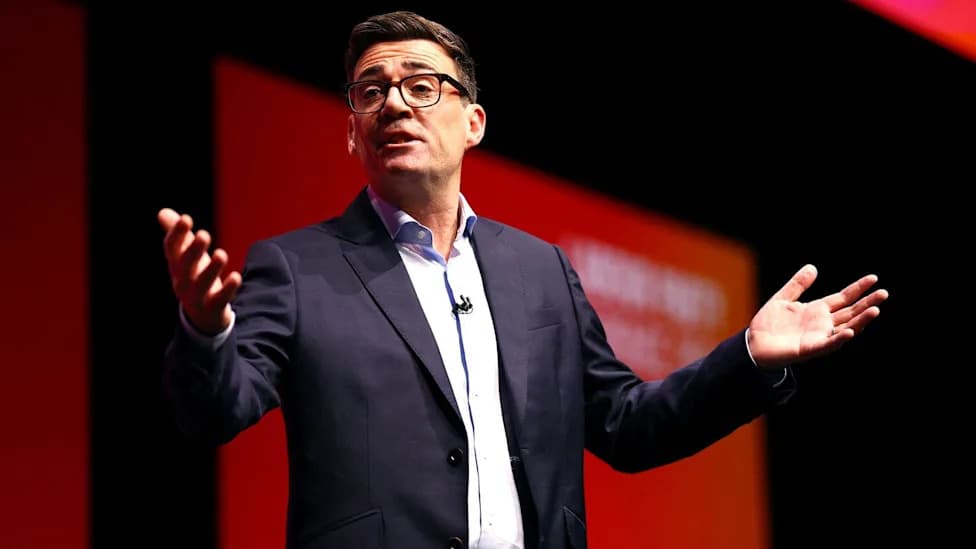
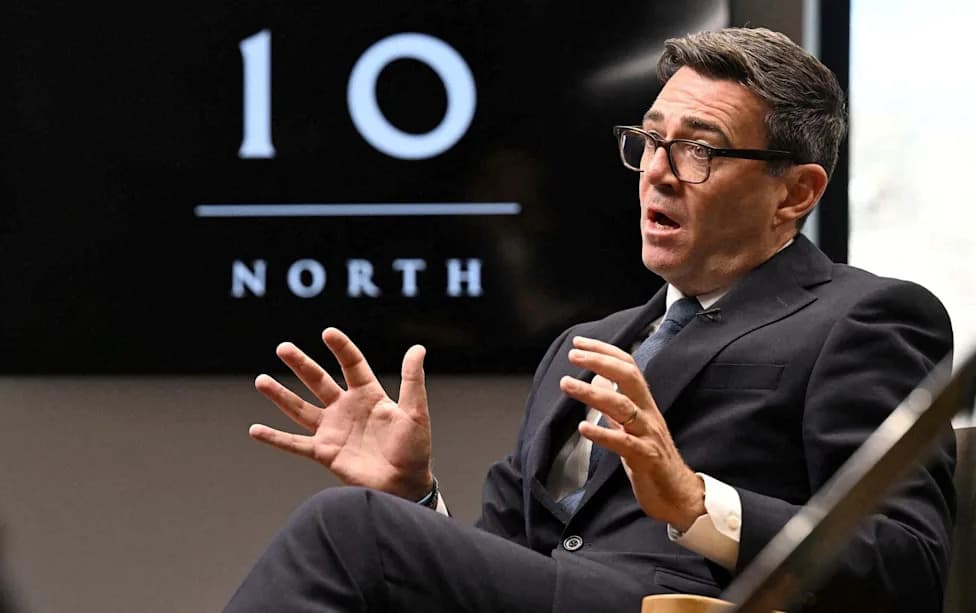
Capital Economics warns that Prime Minister Andy Burnham could raise taxes by up to £25bn to fund major commitments on council housing, social care and defence. The consultancy says measures are likely to target wealth—such as higher capital gains tax, pension changes and a possible new levy—and could push the tax take to about 39% of GDP. Market concerns include capital flight and higher borrowing costs, while the government has yet to appoint several senior economic advisers.
Burnham Could Seek Up To £25bn In Tax Rises To Fund Housing, Care And Defence, Economists Warn
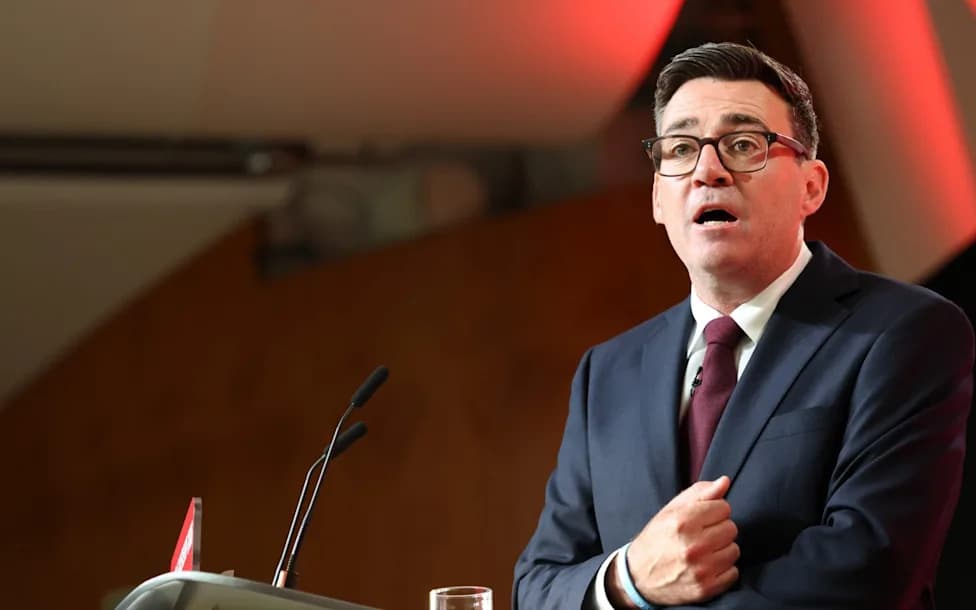
Andy Burnham has said Britain 'over-taxed labour and under-taxed' wealth - Nicola Tree/Getty Images
Economists are warning that Prime Minister Andy Burnham may seek up to £25 billion in tax increases to pay for an ambitious programme of council housebuilding, social care reform and higher defence spending.
What advisers say
Capital Economics cautioned that the next Budget, prepared by Chancellor John Healey and due on Oct. 28, could focus on wealth taxes that fall disproportionately on homeowners, entrepreneurs and pensioners. Ruth Gregory of Capital Economics said the package could be large enough to echo last autumn's measures under Rachel Reeves and warned the burden would most likely fall on households.
"This tax-raising Budget could be almost as big as the last," Ms Gregory said, adding that higher taxes equivalent to up to 0.8% of GDP might be needed to fund the government's ambitions.
Possible measures
The consultancy outlined several options under discussion:
- Significant increases in capital gains tax, reflecting Mr Burnham's view that the UK "over-taxes labour and under-taxes wealth."
- Changes to pensions tax relief or other pension measures that could yield sizeable revenue.
- A possible one-off £1.5bn charge on banks, higher inheritance tax and explicit wealth levies.
- Introduction of a dedicated defence or social care levy—a route that could effectively raise the equivalent of a one-penny increase in income tax and potentially yield up to £10bn.
How big could the impact be?
Capital Economics suggested a £25bn package would push the tax take to about 39% of GDP, above the current G7 average of roughly 36% of GDP. The consultancy also warned that, if spending ambitions grew further, larger tax rises similar to the £42bn increase seen in 2024 could not be ruled out—though it added the government would be wary of pushing taxes too far while real household incomes are under pressure.
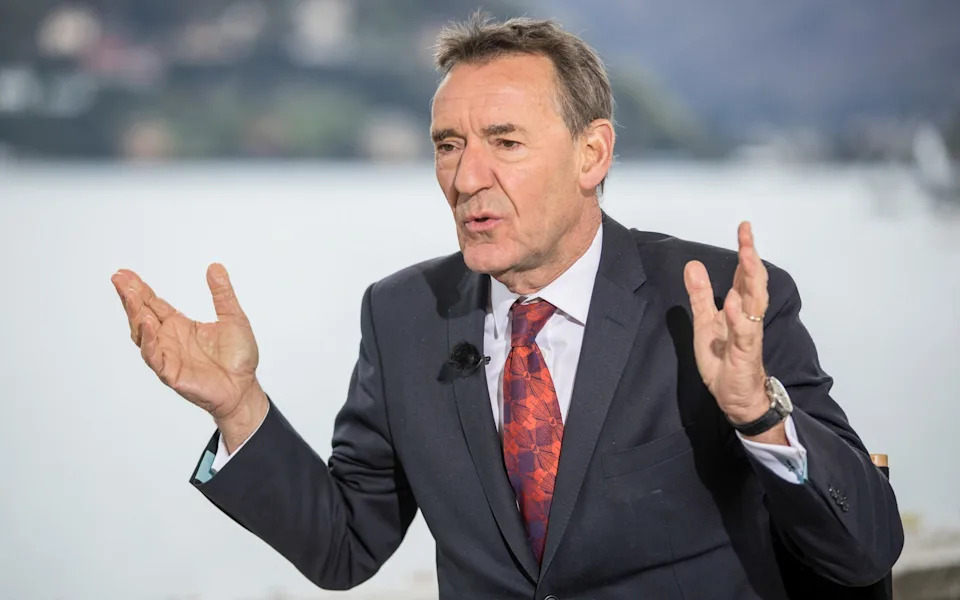
Lord O'Neill of Gatley has previously spoken out against wealth taxes - Alessia Pierdomenico/Bloomberg
Markets, advisers and political context
City figures have voiced concern that higher levies on wealth could prompt capital flight and raise borrowing costs. Those worries are compounded, Capital Economics says, by the government's difficulty in assembling a team of senior economic advisers: prominent figures such as Lord O'Neill (Jim O'Neill) and former Bank of England official Andy Haldane have been courted but have not taken formal roles.
Lord O'Neill is reported to have declined a senior ministerial offer, citing business interests and previously voicing opposition to wealth taxes and calls for welfare and pension reform.
Treasury response
A Treasury spokesman said: "The Chancellor is fully focused on his priorities which will boost business, help with the cost of living and support people in every postcode. Decisions on tax are a matter for the Chancellor to set out at fiscal events, rather than routinely commenting on rumour or speculation."
Note: Figures and proposals outlined above reflect analysis and speculation from Capital Economics and other market commentators ahead of the Budget. Final measures and totals will depend on government decisions announced at fiscal events.
Help us improve.