The United States and South Korea will conduct the annual Ulchi Freedom Shield exercise from Aug. 17–27 to strengthen combined readiness and support a conditions-based transfer of wartime operational control. About 18,000 South Korean troops are expected to participate; U.S. troop numbers were not disclosed. Training will include live maneuvers, simulated command-post drills and civil-defense exercises, and scenarios will account for threats such as drones, GPS jamming, cyberattacks and lessons drawn from DPRK-Russia cooperation. Officials stressed the exercise is defensive and intended to be transparent.
U.S. and South Korea Launch Ulchi Freedom Shield Aug. 17–27 to Boost Readiness and Test OPCON Transition
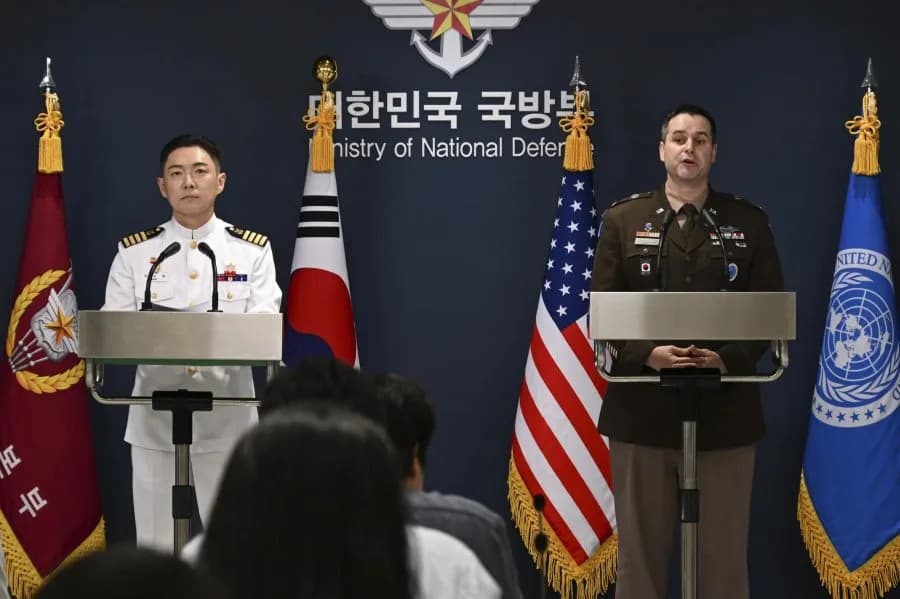
South Korean Joint Chiefs of Staff spokesman Capt. Jang Do-young (L) and U.S. Forces Korea spokesman Col. Ryan Donald (R) hold a press briefing for the Ulchi Freedom Shield 2026 exercise at Seoul's Defense Ministry on Monday. Pool Photo by Song Kyung-seok/EPA
The United States and South Korea will hold the annual Ulchi Freedom Shield (UFS) exercise from Aug. 17–27, officials announced Monday in Seoul. The large-scale, combined training is designed to strengthen allied readiness against evolving threats from North Korea while supporting preparations for a conditions-based transfer of wartime operational control (OPCON) from Washington to Seoul.
What the Exercise Will Involve
According to a joint military statement, UFS will simulate realistic threats and incorporate lessons from recent conflicts to improve combined, joint, all-domain operations. Training elements include live field maneuvers, computer-simulated command-post exercises and related civil-defense drills. Planners said scenarios will reflect modern risks such as drone attacks, GPS jamming and cyberattacks.
OPCON Transition and FOC Verification
Seoul aims to complete the handover of wartime command before President Lee Jae Myung's five-year term ends in 2030. The South Korean Defense Ministry last week presented plans to the president and reiterated efforts to verify the combined forces' Full Operational Capability (FOC), the second phase of a three-stage OPCON transition.
"If the agreed-upon criteria are met, we anticipate being able to recommend the timing for the Future Combined Forces Command's FOC certification and the transition at this year's Security Consultative Meeting," said Capt. Jang Do-young, spokesman for the South Korean Joint Chiefs of Staff. "We are concentrating all our efforts toward this goal."
U.S. Forces Korea spokesman Col. Ryan Donald emphasized that OPCON discussions are handled through formal bilateral channels and declined to endorse a specific timeline: "I will not get ahead of those formal bilateral assessments or speculate on timelines," he said.
Participation and International Observers
About 18,000 South Korean troops are expected to participate, Capt. Jang said; U.S. Forces Korea did not disclose the number of U.S. personnel. Personnel from 11 additional United Nations Command member states will also join, and the Neutral Nations Supervisory Commission will observe to monitor compliance with the 1953 Armistice Agreement. The U.S.-led United Nations Command continues to play a central role in maintaining and enforcing that armistice, including DMZ access control and liaison with North Korea.
Regional Context and Threat Assessment
Officials said the exercise planning will account for North Korea's evolving capabilities, including lessons DPRK forces may have taken from deployments alongside Russia in the war in Ukraine. "DPRK soldiers have deployed and fought in Ukraine and they've taken those lessons they learned there and brought them back to North Korea," Col. Donald said. That influence, he added, is being factored into training scenarios.
Local media reported the number of battalion-level or higher field drills this year could be about 14, down from 39 in last year's exercise. South Korean officials said combined field training will be spread more evenly across the year rather than concentrated solely during UFS, a shift intended in part to reduce tensions on the peninsula while maintaining readiness.
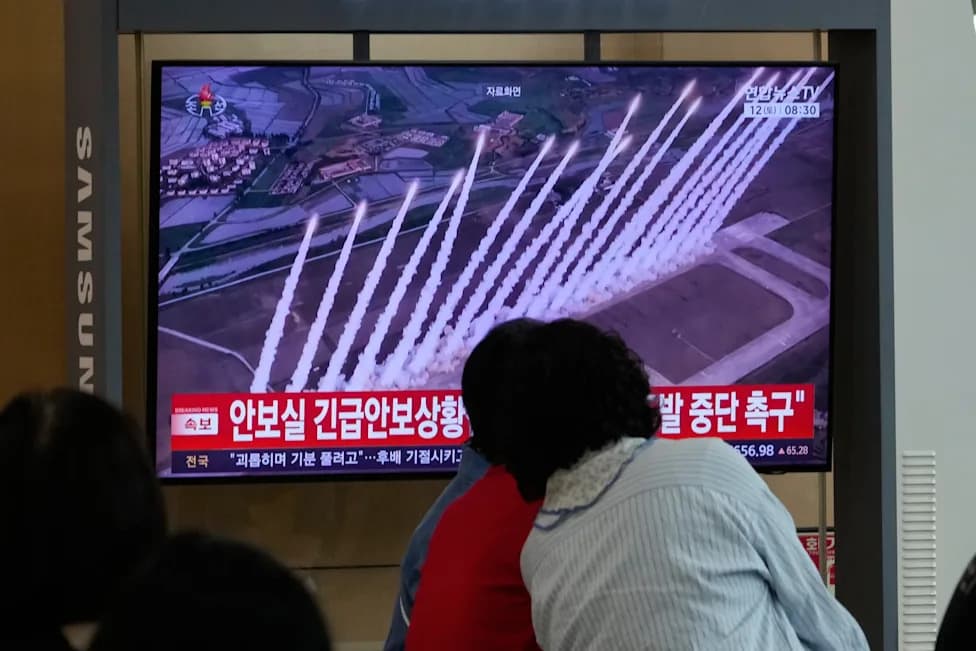
North Korea routinely condemns allied joint drills as rehearsals for invasion and often responds with weapons tests. Seoul reported that Pyongyang launched a short-range ballistic missile toward the East Sea on Thursday. The allies reiterated that Ulchi Freedom Shield is defensive and transparent in purpose. "UFS is not a pretext, it's not a provocation. It's a transparent, longstanding defensive training event," Col. Donald said.
This year's exercise reflects both evolving military technology and geopolitical dynamics in Northeast Asia, while serving as a practical milestone in the ongoing alliance efforts to verify readiness ahead of any future OPCON transition.
Help us improve.