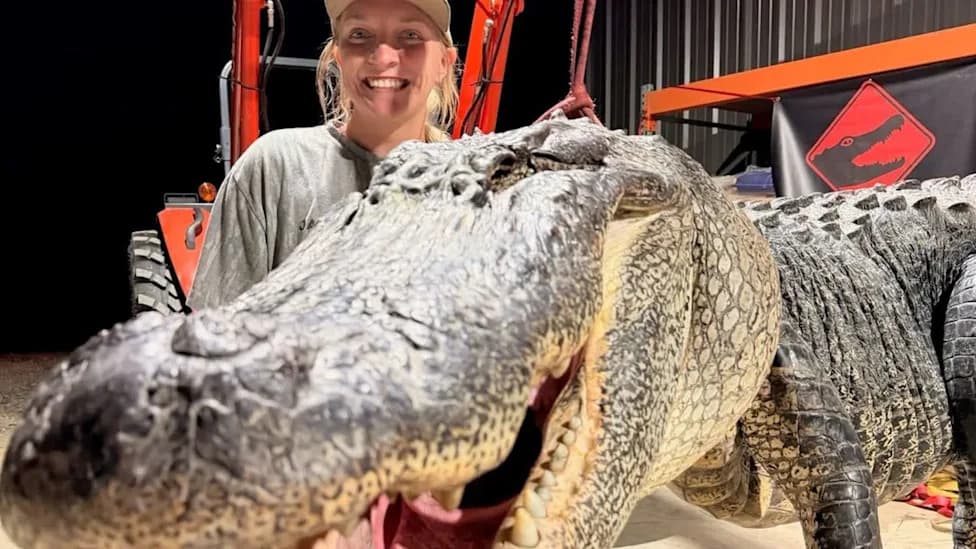
The American alligator was named Florida's deadliest wildlife species in a 2026 World Population Review analysis. Nesting and incubation continue through August, and females may aggressively defend concealed egg mounds near shorelines. Experts urge giving water edges extra space, keeping pets away from shoreline vegetation, and swimming only in marked daylight areas. Report nuisance alligators over 4 feet to the Florida Fish and Wildlife Conservation Commission at 1-866-FWC-GATOR.
Alligator Named Florida's Deadliest Animal — Nesting Season Prompts Safety Alert Through August
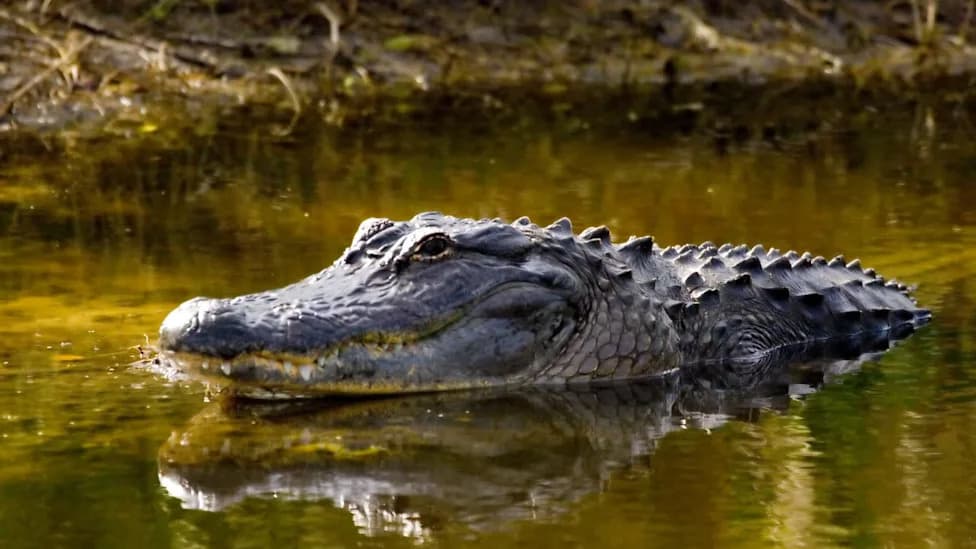
Photo Credit: iStock
The American alligator has been named Florida's deadliest wildlife species in a 2026 analysis by World Population Review, a finding reported by WIOD Florida News. Through August, Florida remains in the nesting and incubation phase of the alligator reproductive cycle, when females may aggressively defend concealed egg mounds.
Although mating season ended in June, nesting and incubation continue through August. Nesting females often remain close to shorelines and dense vegetation where people walk, fish, or bring pets, increasing the risk of unexpected encounters. Experts cited by BBC Future note that higher summer outdoor activity raises the likelihood of human-wildlife friction.
Why Nesting Season Raises Risk
Female alligators instinctively protect eggs and hatchlings. Even if a nest is hidden, a female may behave defensively if a person or pet approaches too closely to the water’s edge.
Practical Safety Tips
- Give Shorelines Extra Space: Stay back from lakes, ponds, marsh edges and any shoreline vegetation during nesting season.
- Keep Pets Away From Vegetation: Prevent dogs from exploring shoreline brush or wading near dense cover where nests may be concealed.
- Swim Only In Designated Areas: Use marked swimming areas and go only during daylight hours.
- Never Feed Wildlife: Feeding alligators habituates them to humans and increases the chance of dangerous encounters.
- Be Alert: Look for signs of nesting (mounded vegetation, tracks) and slowly back away if you see an alligator.
How To Report A Nuisance Alligator
Residents can report nuisance alligators longer than 4 feet to the Florida Fish and Wildlife Conservation Commission at 1-866-FWC-GATOR.
The American alligator remains one of Florida’s most iconic species. Officials emphasize that awareness, common-sense precautions and respect for wildlife are the best ways to reduce conflicts and promote safe coexistence.
Sources: World Population Review (2026), WIOD Florida News, BBC Future.
Help us improve.