
Aug. 12, 2026 total solar eclipse: A ~182‑mile path of totality crosses Spain, Iceland and Greenland; maximum totality lasts up to 2 minutes, 18 seconds. First contact is visible in Alaska at 11:34 a.m. EDT (15:34 GMT), and the global partial phase ends at 3:57 p.m. EDT (19:57 GMT) off West Africa. Expect Baily’s beads, the diamond ring, the corona, visible planets (Venus, Jupiter, Mercury) and a chance to see Perseid meteors. Always wear certified eclipse glasses during partial phases; remove them only during totality.
What to Expect During the Five Stages of the Aug. 12, 2026 Total Solar Eclipse
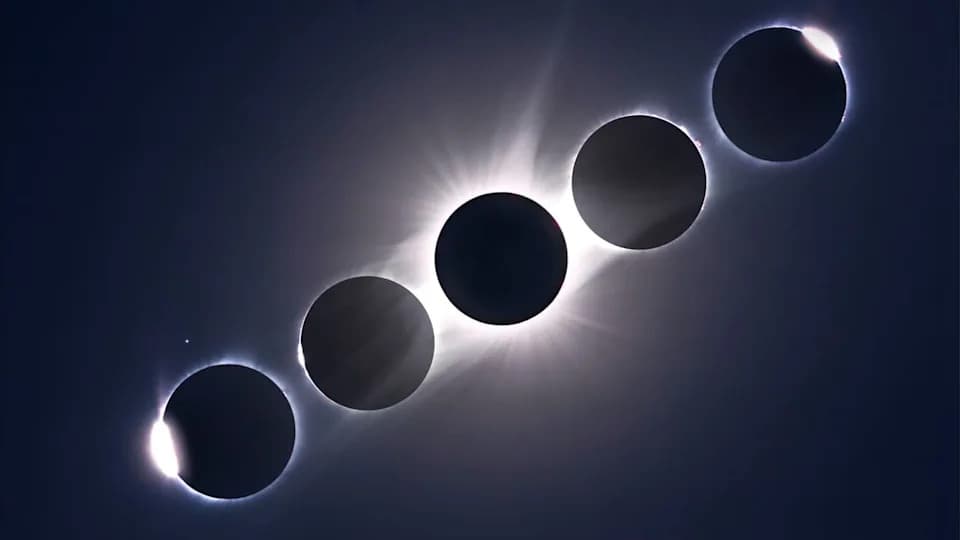
The sun's atmosphere emerges at the climax of a total solar eclipse. | Credit: Photo by: Alan Dyer/VW Pics/UIG via Getty Images
The Aug. 12, 2026 total solar eclipse will stage a dramatic celestial show as the Moon passes directly between the Sun and Earth. A roughly 182‑mile‑wide path of totality will cut across Spain, Iceland and Greenland; hundreds of millions of additional viewers outside that corridor will see an impressive partial eclipse. Below is a clear, stage‑by‑stage guide to what you can expect and how to stay safe while watching.
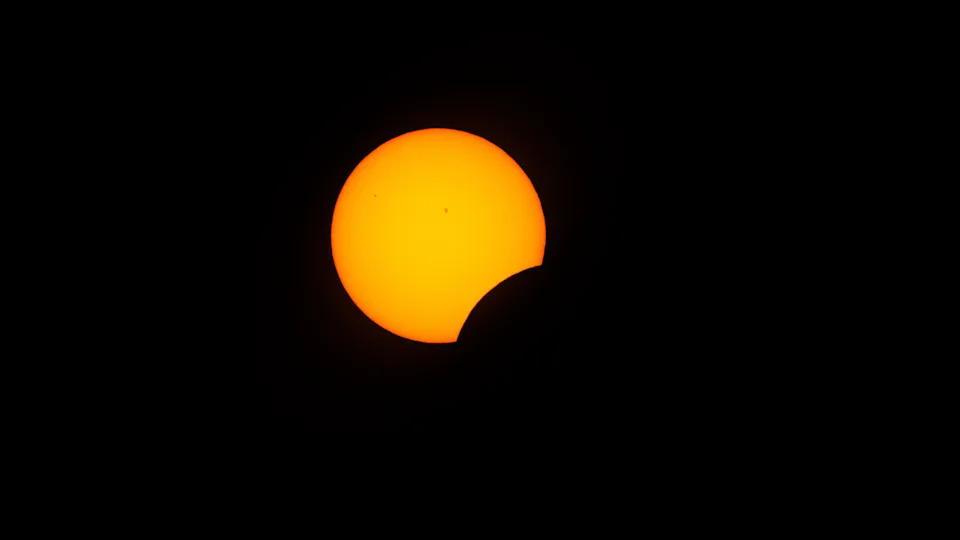
The moon takes its first "bite" out of the sun during the partial phase of a solar eclipse. | Credit: Photo by Noam Galai/Getty Images
Stage 1 — Partial Phase Begins (First Contact)
First contact is when the Moon first takes a visible “bite” out of the Sun. For this eclipse, first contact will be visible in Alaska at 11:34 a.m. EDT (15:34 GMT) on Aug. 12. Use interactive eclipse trackers to find the exact local timing and the fraction of the Sun that will be covered from your location.
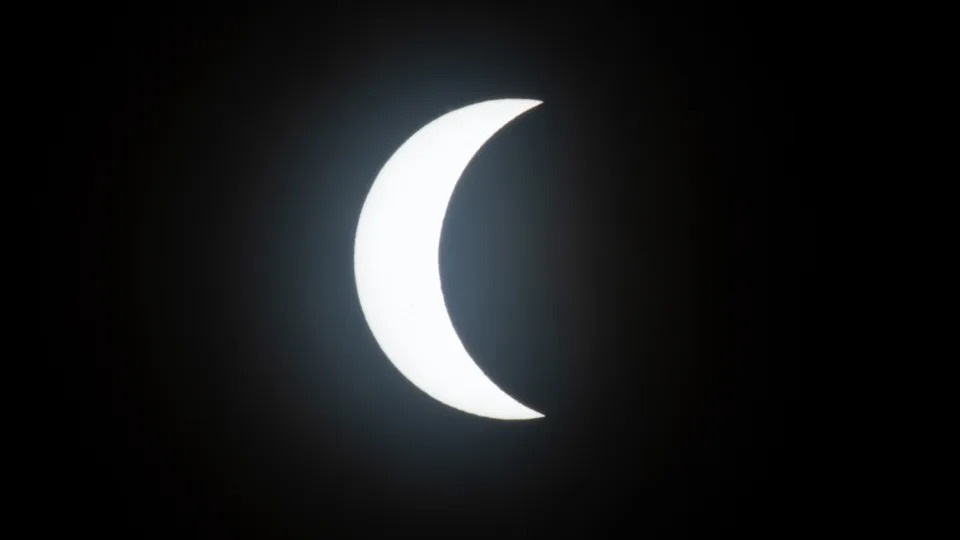
The and moon meet in the skies over Mexico during the 2024 total solar eclipse. | Credit: Photo by: Edwin Remsberg/VWPics/Universal Images Group via Getty Images
Stage 2 — Partial Progression Toward Totality
During the hour to 90 minutes after first contact, observers inside the path of totality will watch the Sun shrink from a full disk to a bright crescent. In the roughly 30 minutes leading up to totality you may notice a tangible drop in temperature and a slightly dimmer sky. Small gaps (for example, between leaves or in a colander) will project multiple crescent images of the partially eclipsed Sun onto the ground.
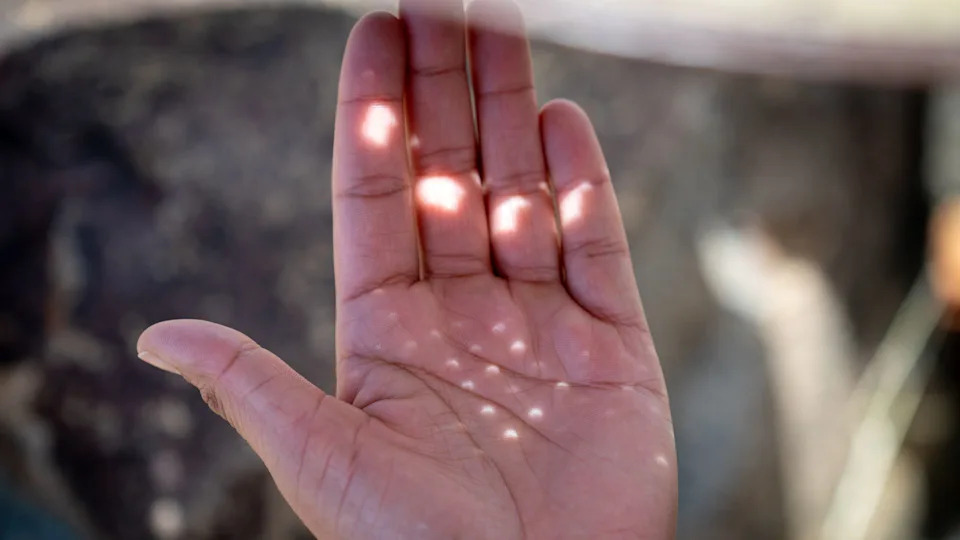
Pinpricks of light create tiny crescents during a solar eclipse. | Credit: Photo by: Edwin Remsberg/VWPics/Universal Images Group via Getty Images
Stage 3 — Seconds Before Totality: Baily’s Beads & Diamond Ring
Just before totality, sunlight streams through lunar valleys to create bright, fleeting points called Baily’s beads. As the last bright sliver disappears, spectators often see the spectacular diamond ring effect: a brilliant bead beside the dark lunar silhouette with the faint corona beginning to glow around it.
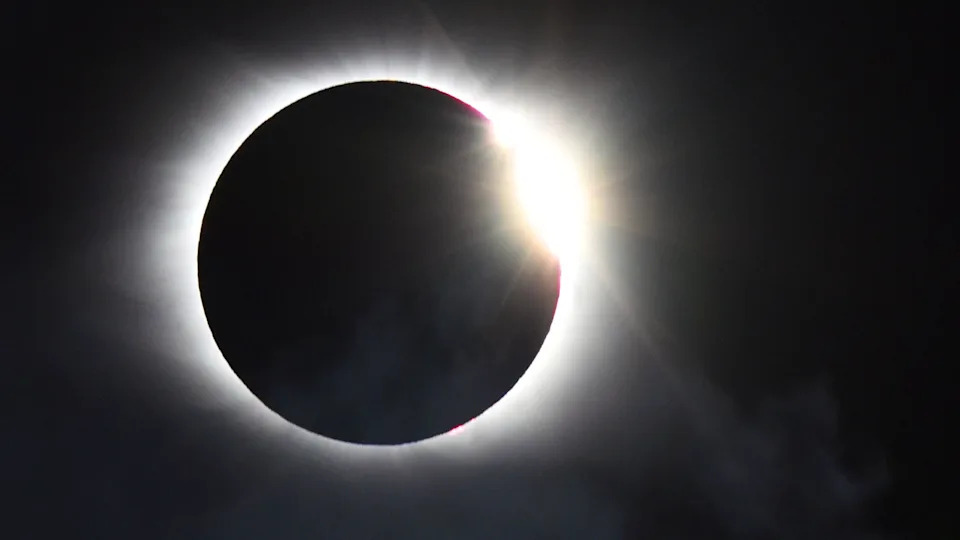
The diamond ring effect shines from behind | Credit: Photo by Chris McKay/WireImage
Stage 4 — Totality
Totality begins when the Moon completely covers the Sun’s disk. On Aug. 12 the maximum duration of totality will be up to 2 minutes, 18 seconds. During totality the Sun’s outer atmosphere, the corona, becomes visible as a luminous halo; you may also see prominences and the reddish chromosphere at the solar limb. Only during the complete phase of totality is it safe to look at the eclipsed Sun without certified solar viewers — but you must replace your eclipse glasses before the Sun’s bright disk reappears.
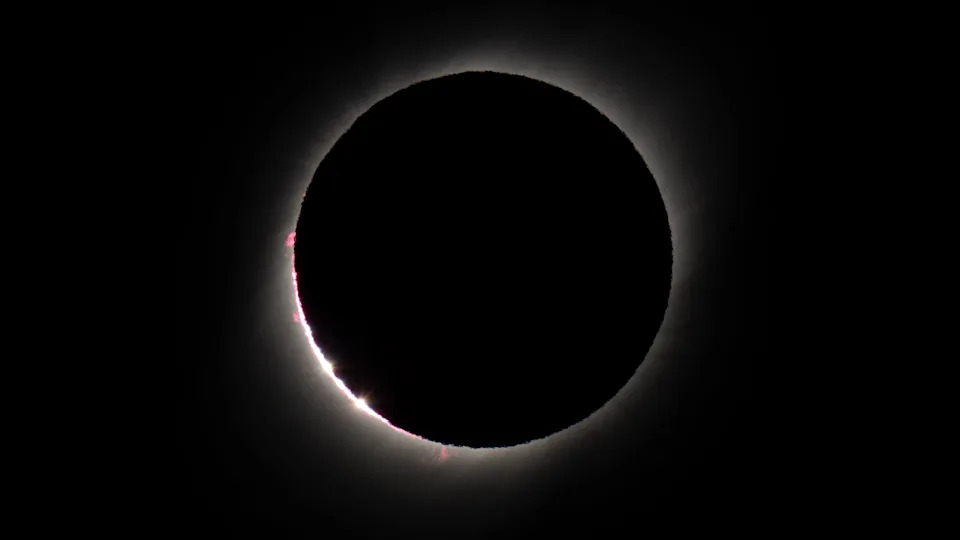
Baily's beads appear in the moments before totality. | Credit: STAN HONDA/AFP via Getty Images
At or near the midpoint of totality you may spot bright planets: Venus usually appears as a bright point above-left, while Jupiter and Mercury may be visible toward the lower-right. Because the eclipse coincides with the Perseid meteor shower peak, observers in the path of totality could also catch a Perseid fireball streaking through the twilight.
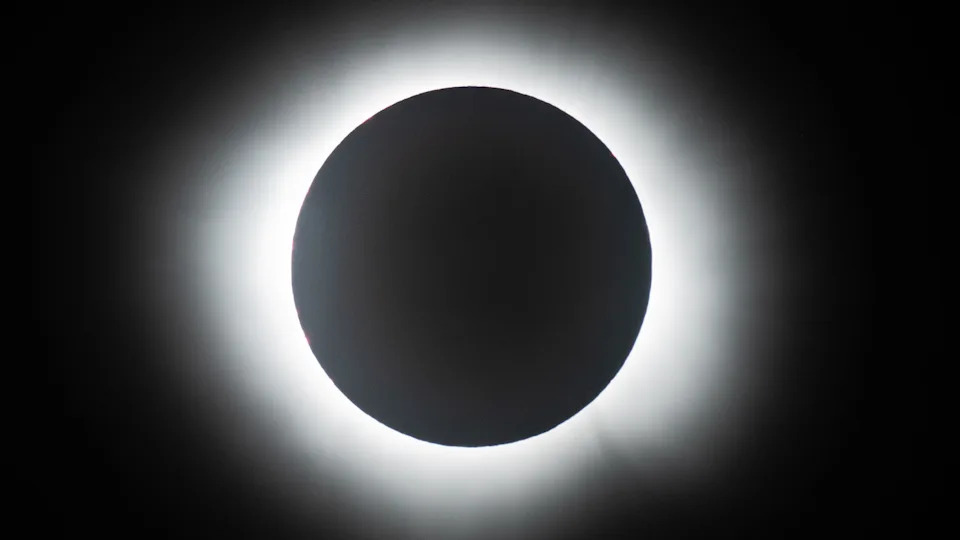
The sun's corona haloes the moon at the climax of a total solar eclipse. | Credit: Photo by: Edwin Remsberg/VWPics/Universal Images Group via Getty Images
Stage 5 — Return To Partial Phase And Fourth Contact
After totality the sequence reverses: Baily’s beads and the diamond ring reappear briefly as the Sun’s edge peeks out from behind the Moon. The waning partial eclipse continues until fourth contact, when the Moon fully exits the solar disk. On Aug. 12 the global end of the partial event is at 3:57 p.m. EDT (19:57 GMT) off the west coast of Africa.
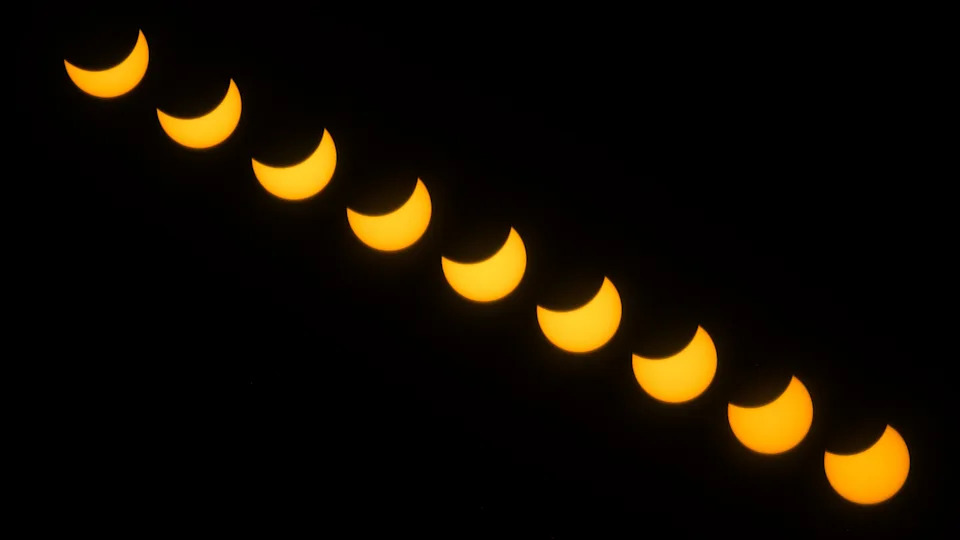
The moon exits the solar disk at the end of a total solar eclipse. | Credit: Getty Images
Viewing Safety And Practical Tips
Never stare at the Sun without certified eclipse glasses or solar viewers during any partial phase — even a brief glance can cause permanent eye damage. Check for certification and any scratches or tears before use. Only remove protective eyewear during the full phase of totality, and replace it immediately before the bright Sun begins to reappear.
Bring a chair or blanket, layer clothing for the temperature drop, and plan your viewing location in advance if you intend to travel to the path of totality. If you can’t attend in person, reputable outlets will offer live streams.
Photography & Coverage
If you plan to photograph the eclipse, use proper solar filters for all partial phases and for the Sun’s bright disk before and after totality. Remove filters only during totality and be ready to reapply them when the Sun starts to re-emerge. Many astronomy outlets and news organizations will provide live coverage; check schedules ahead of time if you want to follow remotely.
Final note: The Aug. 12, 2026 eclipse is a rare opportunity to see multiple classic eclipse phenomena — from crescent projections to the corona, Baily’s beads and the diamond ring. Prioritize safety, know your local contact times, and enjoy one of nature’s most dramatic sky displays.
Help us improve.





















