
Key message: Eclipse glasses older than about 10 years — particularly those made before 2015 or stored since 1999 — can degrade and become unsafe. Use ISO 12312-2 certified viewers or indirect projection methods. Ordinary sunglasses are not adequate. The UK will see roughly 90% solar coverage on Aug 12 (6:00pm–8:15pm), and the night may be followed by a strong Perseid meteor display.
Don’t Use Eclipse Glasses From 1999 — Experts Warn They May Be Unsafe
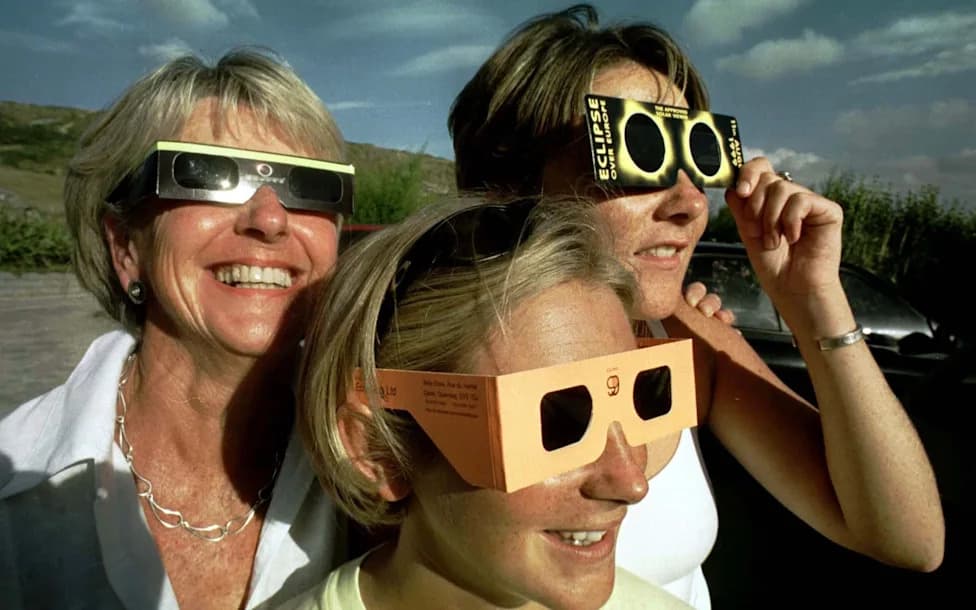
On the blink: using the pair you've been storing since last time is a less than spectacular idea - Barry Batchelor/PA
Experts are urging the public not to use very old eclipse glasses to view the upcoming solar eclipse, warning that filters can degrade in storage and may allow harmful sunlight to reach the eye.
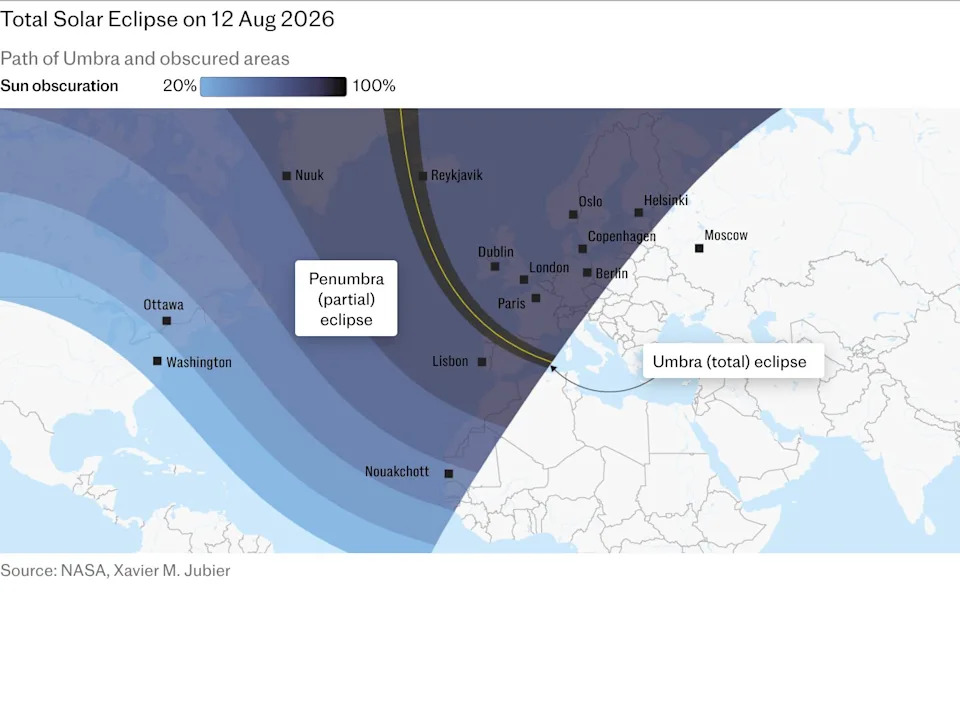
1208 Solar Eclipse
When and Where
The eclipse will occur on August 12, with best viewing across much of the UK between about 6:00pm and 8:15pm. Observers nationwide can expect roughly 90% coverage on average, with southern areas seeing slightly more (for example: Cornwall >95%, Cardiff ~93%, Aberdeen ~89%). The evening is also expected to offer good conditions for the Perseid meteor shower immediately after the eclipse.
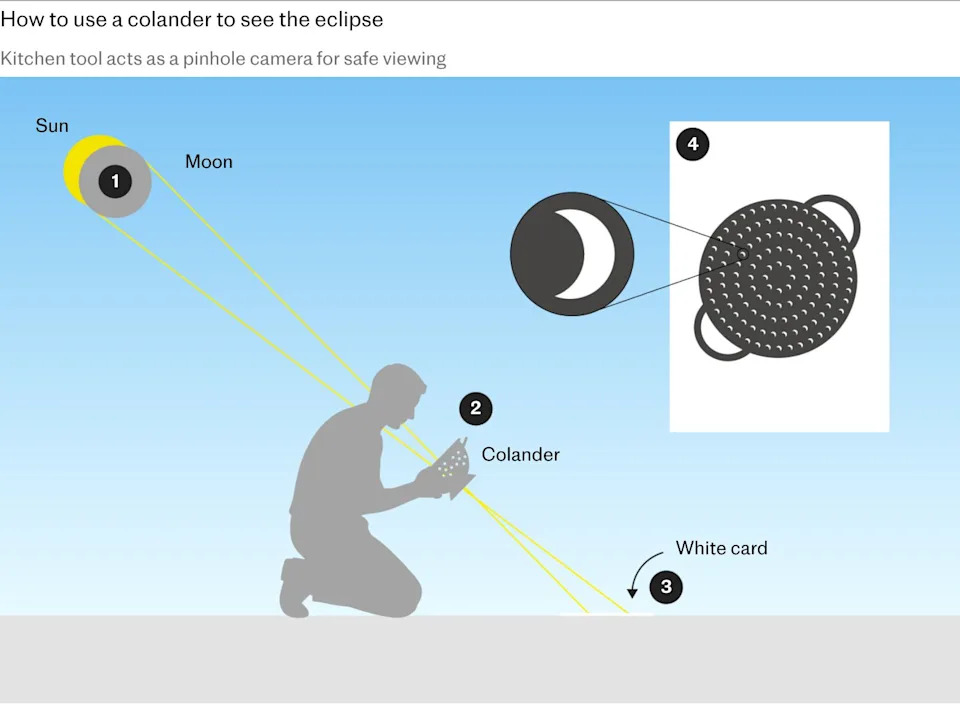
2707 Eclipse viewing colander
Why Old Glasses Can Be Dangerous
Many eclipse viewers made before 2015 were built with materials that can deteriorate over time. Experts recommend avoiding eclipse glasses more than about 10 years old. Degraded filters, scratches, folds or punctures can permit concentrated sunlight to reach the retina and cause permanent damage — sometimes from a single brief glance.
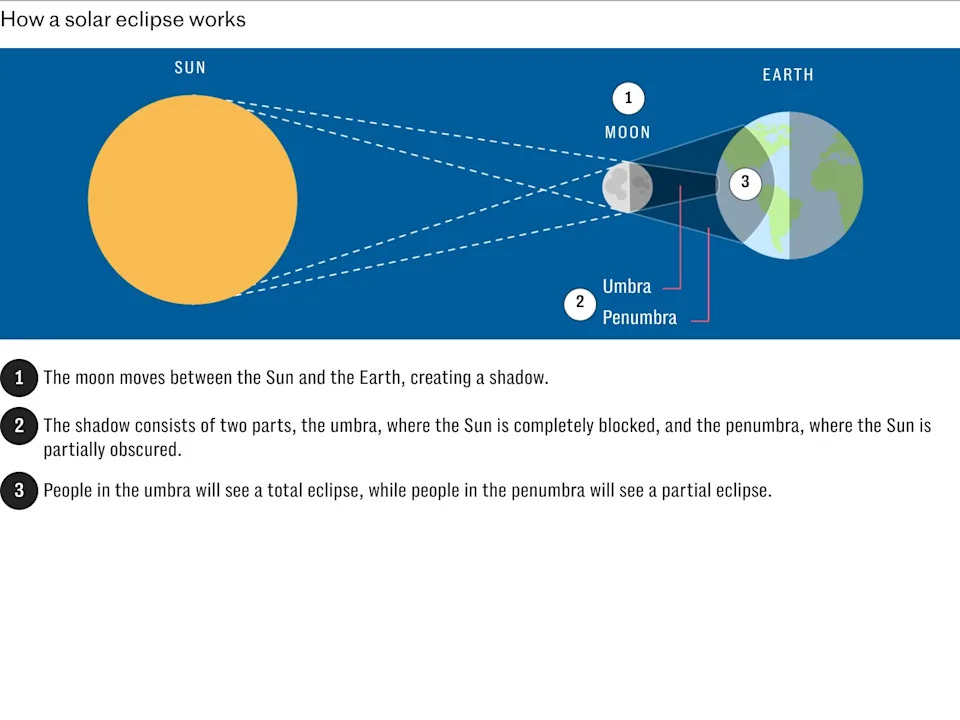
2707 How a solar eclipse works
How To Check Your Glasses
With room lights on, look at a bright household lamp through the glasses. If you can see any light, or the filament shape of a bulb, the glasses are not safe.
Certified Protection And Important Warnings
- Use Certified Viewers: Buy ISO 12312-2 certified eclipse glasses from reputable astronomical suppliers. Look for an ISO mark and manufacturer information.
- Never Use With Optical Aids: Do not use eclipse glasses in combination with binoculars, cameras, or telescopes unless the optical device has a proper solar filter — concentrated light can bypass the glasses and damage your eyes.
- Sunglasses Are Not Safe: Ordinary sunglasses do not block sufficient solar radiation and can increase the risk by allowing longer viewing times.
- Even Brief Glances Can Harm: Ophthalmologists remind that retinal injury can occur in seconds; after the 1999 eclipse there were dozens of reported eye-injury cases.
Safe Viewing Alternatives
If you do not have certified glasses, use indirect viewing methods such as a pinhole projector, projecting the Sun through a colander onto a sheet of paper, or using mirrored projection methods. If using a telescope or binoculars, fit an approved solar filter over the front aperture (never at the eyepiece).
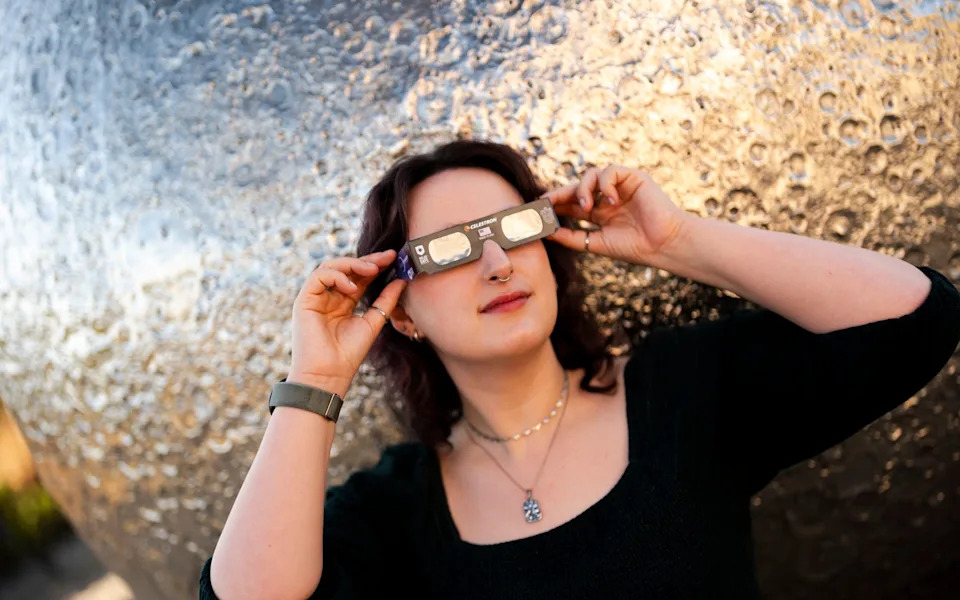
Experts expect the coverage of the Sun during this eclipse to be around 90 per cent in the UK - Jordan Pettitt/PA Wire
What To Expect After The Eclipse
The night of August 12 offers a bonus: the Perseid meteor shower peaks around the same time. With a new moon and clear skies, observers may see dozens of meteors per hour—peak rates can reach up to ~100 per hour under ideal conditions. Experts encourage making an evening of it: pick a dark spot, bring a blanket, and stay after the eclipse to watch the sky.
Bottom line: Don’t rely on old or damaged eclipse glasses. If in doubt, buy a certified pair from a trusted supplier or use indirect viewing methods to protect your eyes.
Help us improve.





















