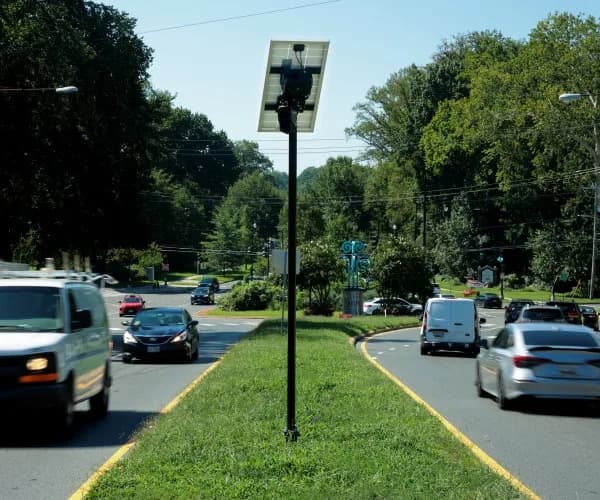
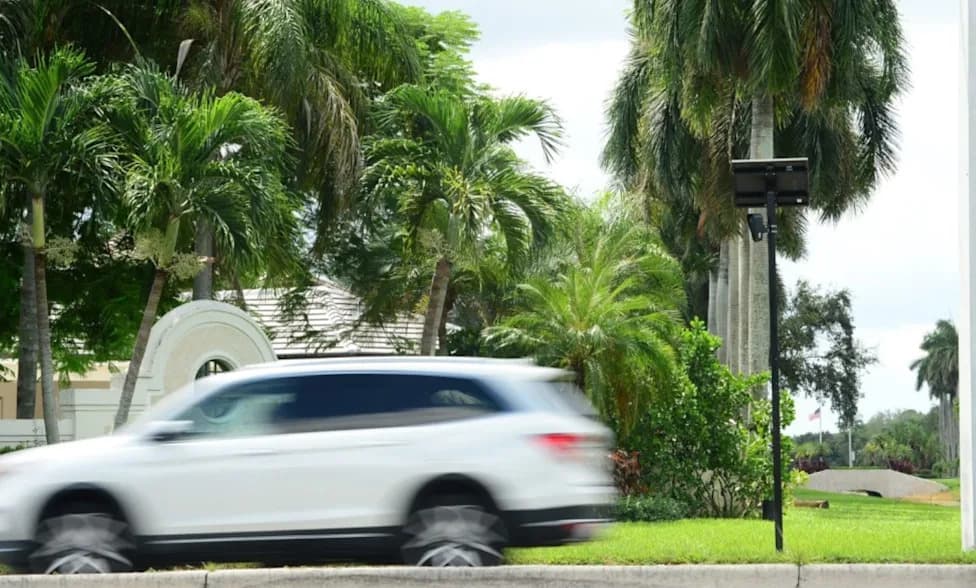
Flock has installed more than 100,000 license-plate reader cameras across the United States, sparking a nationwide backlash over privacy. Activists — including a 20-year-old influencer known as Nomark — have publicly disabled cameras and shared how-to guides, while a Facebook group opposing the system has grown to more than 600,000 members. Critics warn the cloud-stored dataset enables warrantless vehicle tracking and has been misused by some officers; over 70 municipalities have recently ended contracts with Flock.
Surveillance Showdown: Flock’s 100,000+ License-Plate Cameras Face Vandalism and Local Bans
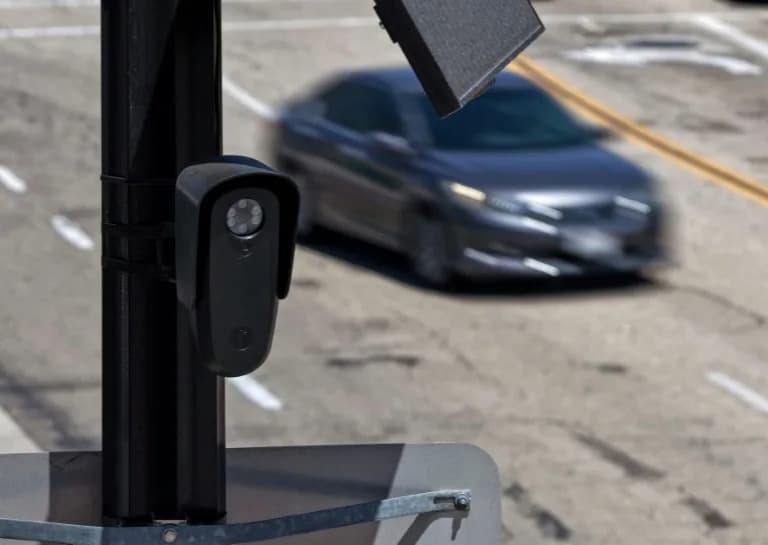
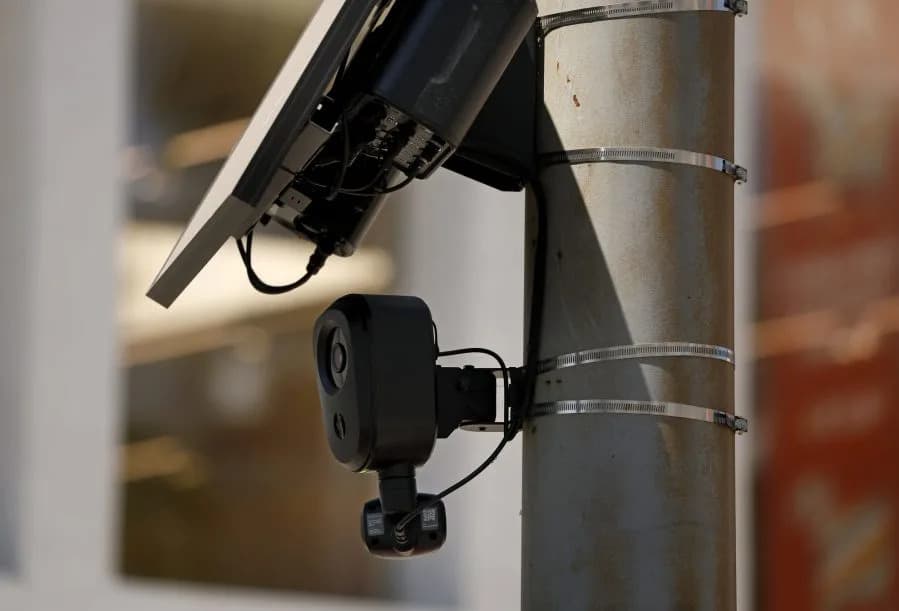
A Flock camera is seen in the Los Angeles suburbs (JUSTIN SULLIVAN)
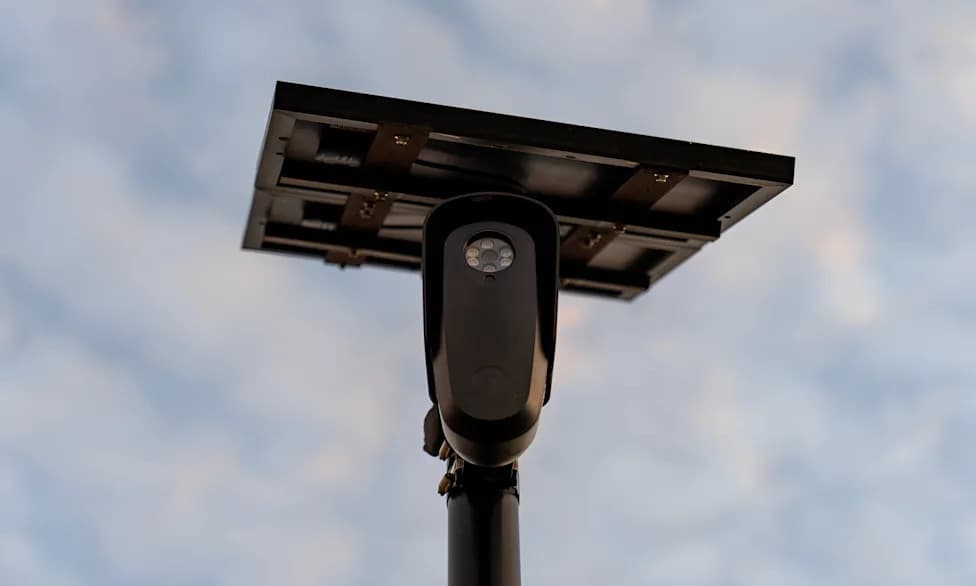
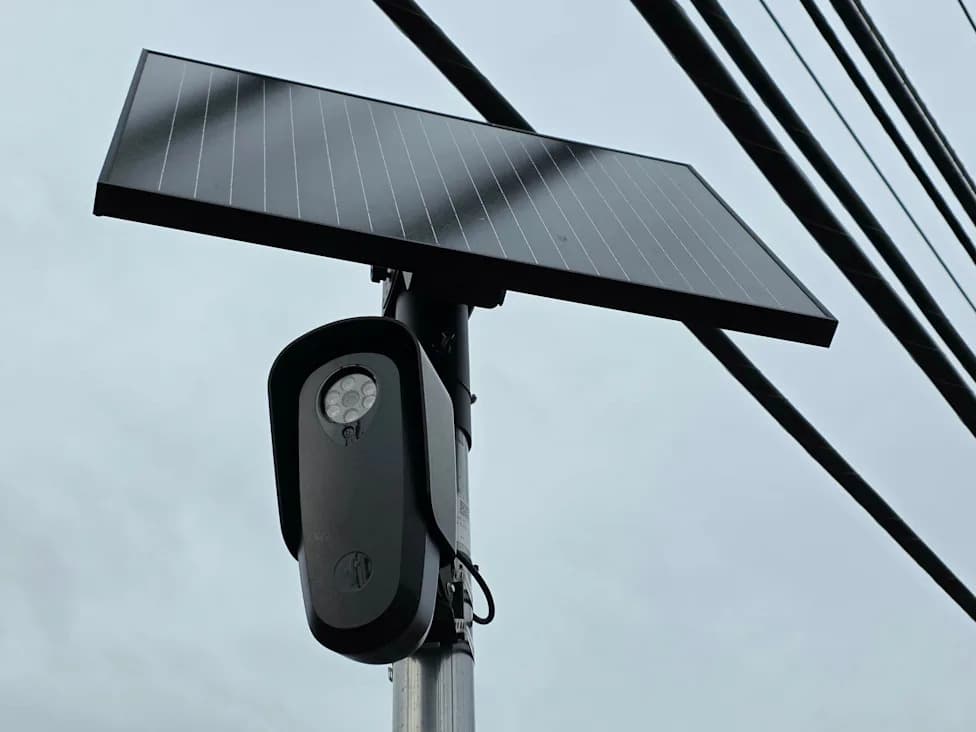
In just a few years the surveillance start-up Flock has deployed more than 100,000 license-plate reader cameras across the United States, prompting an expanding grassroots backlash over privacy and civil liberties.
What the System Does
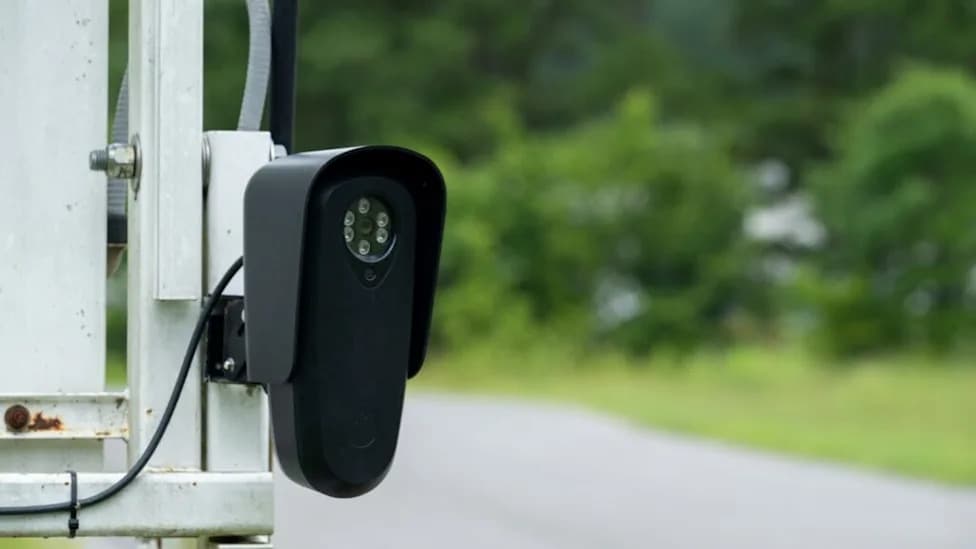
Flock’s cameras capture still images of vehicles — logging license-plate numbers, make, model, color and other identifying details such as bumper stickers. Unlike conventional CCTV, these units do not record continuous video but they upload plate reads and images to a cloud database where data can be retained for up to a month and shared with paying subscribers and law enforcement, sometimes across state lines.
Growing Backlash and Direct Action
Opponents alarmed by the scale and reach of the network have organized online and offline. A Facebook group called DeFlock America has swelled to over 600,000 members. Activists have created crowdsourced maps of camera locations, shared methods to obscure lenses, and celebrated — and in some cases helped publicize — people who have intentionally disabled cameras.
“At first I was super nervous,” says a self-described vigilante known as Nomark, who told AFP he has disabled roughly 30 cameras near his Minneapolis-area home and posts how-to guides to his nearly 500,000 Instagram followers. Critics note his actions are illegal, and arrests have followed.
Law Enforcement Use and Reported Misuse
Police departments say Flock helps solve vehicle-linked crimes. Jon Bridges of the Richmond, Virginia, police described a homicide investigation in which plate data helped identify and capture a suspect. Many departments have adopted Flock since 2023.
But media investigations and internal reports have identified potential abuses: The Washington Post reported at least 50 officers accused of misusing the system to monitor romantic partners and others; other reports say officers used the tool to trace people seeking abortions in states with restrictions and, in some cases, passed data to immigration authorities.
Political Response and Local Action
The controversy has drawn critics across the political spectrum, from civil liberties groups like the ACLU to libertarian commentators. High-profile voices such as Tucker Carlson have even defended individuals who disabled cameras, framing them as protecting privacy.
Local pressure has produced tangible results: according to an ACLU tally, more than 70 municipalities — from Los Angeles to smaller towns in Virginia — have moved to end contracts with Flock in recent months.
What’s at Stake
Supporters argue the system is a practical investigative tool; critics warn that easy access to a centralized database of vehicle movements risks mass surveillance, warrantless tracking and misuse by insiders. As debate intensifies, communities and lawmakers are increasingly making decisions at the local level about whether to keep or cut ties with Flock.
Note: Vandalizing surveillance equipment is a crime in many jurisdictions; the reporting above describes actions, reactions and legal consequences without endorsing illegal behavior.
Help us improve.