
Nigerian security forces freed at least 308 hostages in what officials called the country's largest rescue operation, including 163 people abducted from Woro during a Feb. 3 raid that left roughly 160 villagers dead. Survivors said they were held for about six months and endured starvation, abuse, and makeshift childbirths without medical supplies. Kwara State officials said 46 victims were receiving hospital care. The events highlight ongoing security challenges related to Islamist militant activity and the urgent humanitarian needs of affected communities.
Nigeria's Largest Rescue Operation Frees 308 Hostages After Woro Massacre
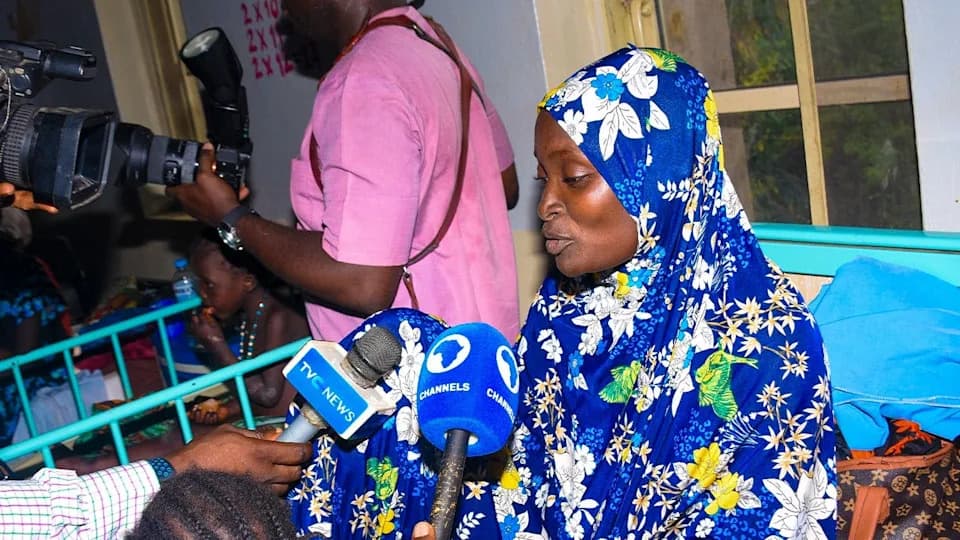
Hauwa Saliu, a woman who is among those rescued by Nigerian forces this week, about six months after being abducted by militants in February, speaks to journalist as she receives medical attention at a hospital in Ilorin, Nigeria, Friday, Aug. 7, 2026.
Nigerian security forces have freed at least 308 people held by jihadi kidnappers in what officials are calling the largest rescue operation in the country's history. The releases occurred over the past week and included captives from two main groups, authorities said.
Rescue Operation and Casualties
Officials reported that 163 of those rescued were abducted from the Woro community in Kwara State during a Feb. 3 raid in which gunmen also killed about 160 villagers. Survivors say many of the captives had been held for roughly six months before being liberated.
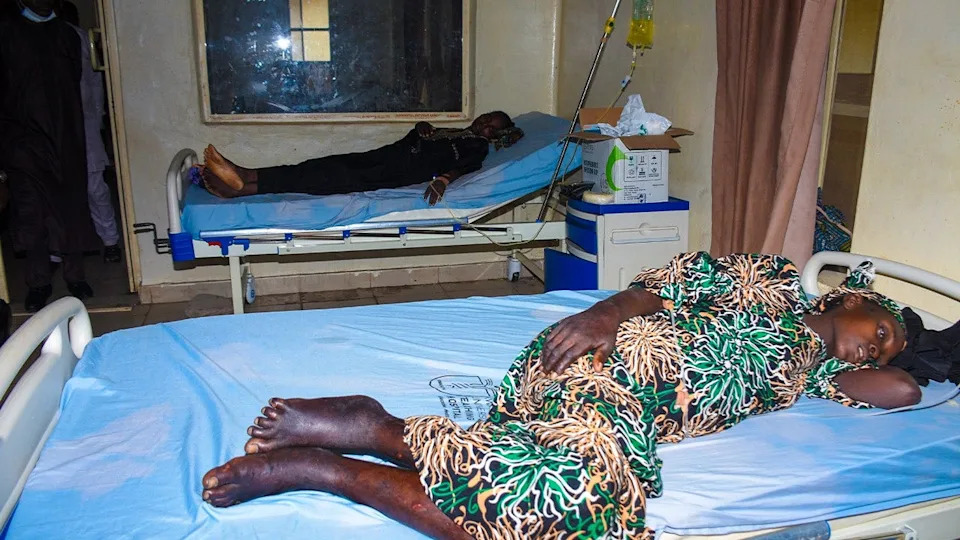
Women who were rescued after being held in a forest after they were abducted from the Woro community by gunmen in February receive medical attention at a hospital in Ilorin, Nigeria, Friday, Aug. 7, 2026.
Survivors' Accounts and Conditions in Captivity
Freed hostages told reporters they believe they were seized as punishment for refusing to accept the religious teachings of their captors. One survivor, Hauwa Saliu, said the militants repeatedly asked whether the victims had "accepted jihad".
"We prayed to God to help us go back home, but it never really crossed our minds that we were going to go back home," Hauwa Saliu, who received treatment in Ilorin on Aug. 7, 2026, told journalists.
Another woman, Amira Saliu, described harsh conditions: captives were hidden in a forest near a river, forced to put out fires, and required to remain silent and hide when helicopters were heard overhead. Medical teams treating survivors reported widespread abuse and severe food shortages.
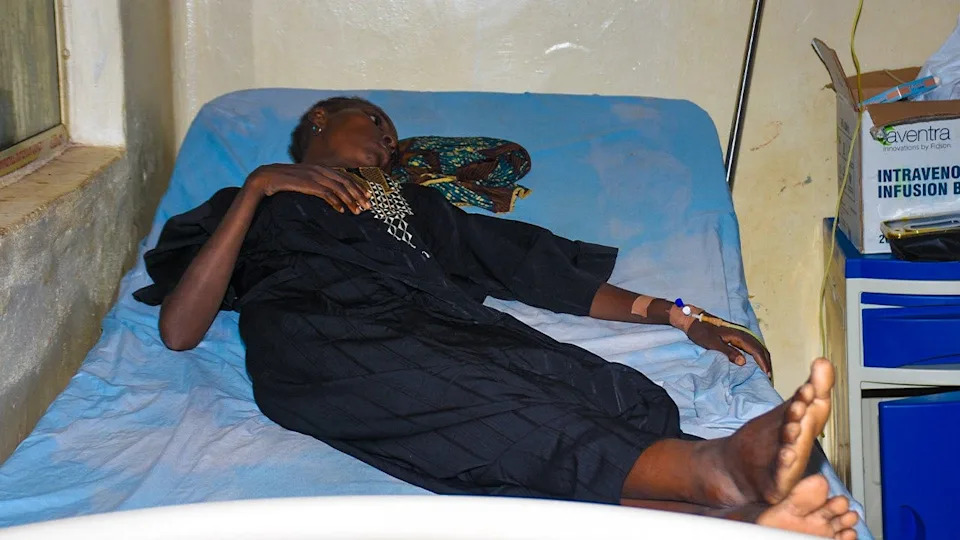
A woman who was rescued after being held in a forest after being abducted from the Woro community by gunmen in February receives medical attention at a hospital in Ilorin, Nigeria, Friday, Aug. 7, 2026.
Saliu, a trained nurse, said she had to assist roughly 10 women through childbirth without medical supplies or gloves. "I had no choice but to use my bare hands," she told reporters.
Mary Ishaya, 44, recounted that captives sometimes went days without food and were forced to bury those who died. "I still cannot find the right words to describe what has happened to us. We saw death and suffering," she said.
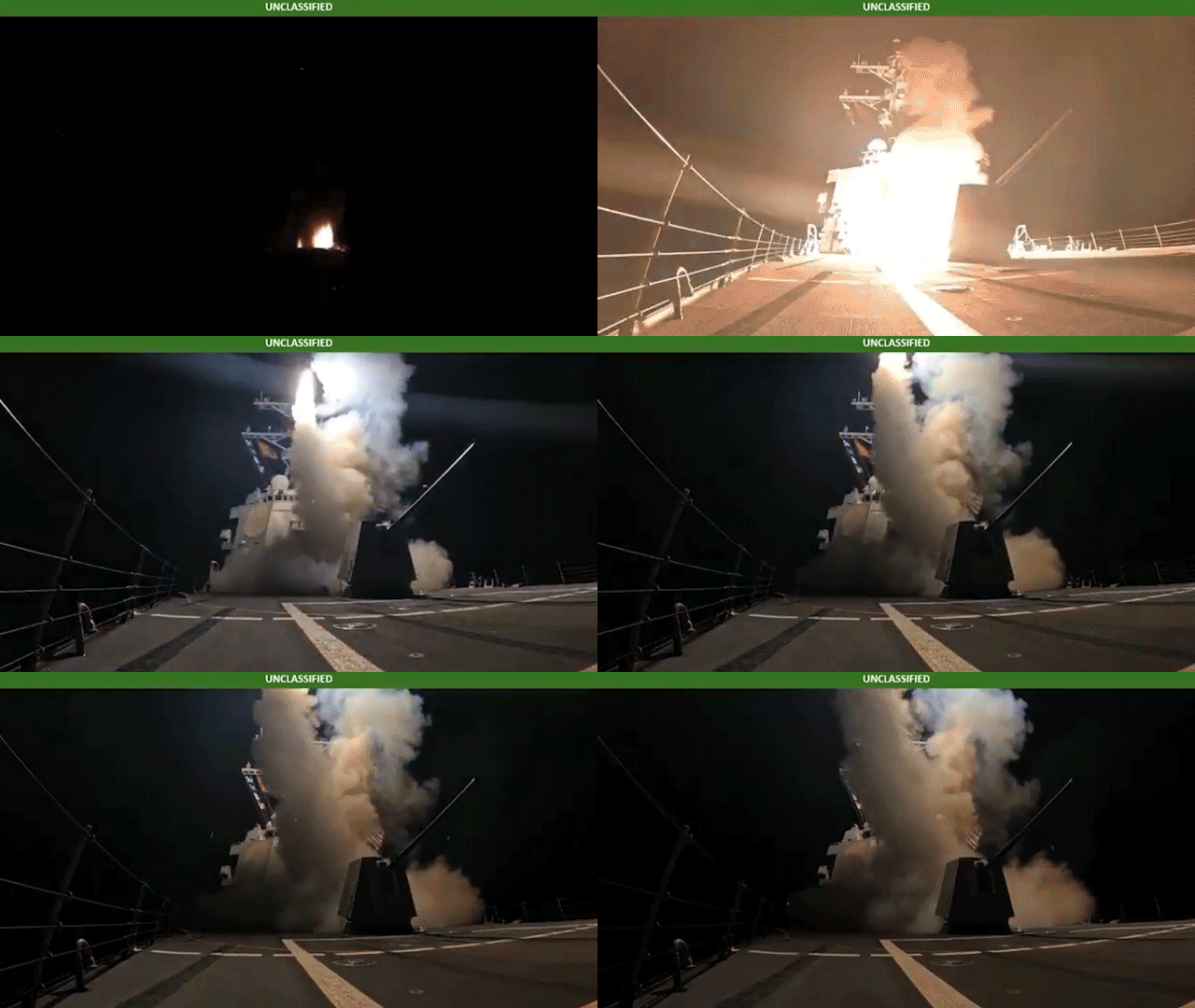
US launches strike against ISIS in Nigeria.
Government Response and Context
Kwara State Governor AbdulRahman AbdulRasaq said 46 victims were being treated at a hospital and described the situation as heartbreaking, noting many of the rescued were women and children. Authorities said they are still assessing the full scale of the incident and the needs of survivors.
The mass abductions and rescue operation underscore long-standing tensions between armed Islamist insurgents in northern Nigeria and communities across the country, including the nation’s large Christian population. The report also noted recent international action: U.S. forces carried out precision strikes against Islamic State–affiliated groups in northern Nigeria, with later coordinated operations reported to have resulted in the death of a senior Islamic State leader, Abu Bakr al-Mainuk.
Humanitarian Needs and Next Steps
Relief and medical teams are treating the rescued survivors while authorities continue investigations and security operations. Local and international organizations have warned that long-term medical, psychological and community support will be needed to help survivors and affected communities recover.
Help us improve.





















