
SpaceX is likely to lose the 52 m upper stage from Starship's 13th test flight after nearly two weeks at sea, CEO Elon Musk said on Aug. 7. The Ship stage survived a July 24 splashdown off Western Australia and was being towed to port, but rough ocean conditions have hampered recovery. SpaceX obtained close-up photos of the heat shield and engines that may guide improvements, and Flight 13 also deployed 20 Starlink V3 satellites that later reentered.
Starship Upper Stage Likely Lost at Sea After Two-Week Tow, Musk Says — Heat Shield Photos Offer Silver Lining
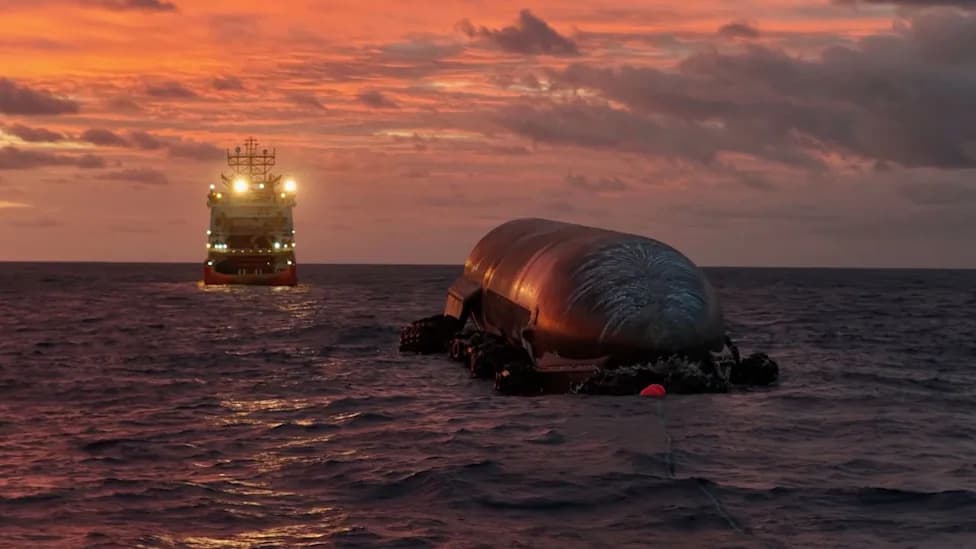
SpaceX works to get the upper stage from Starship's 13th test flight to shore from its Indian Ocean splashdown site. This is a screenshot from a video the company posted on X on Aug. 7.
SpaceX appears likely to lose the upper stage from Starship's 13th test flight after nearly two weeks at sea, company founder Elon Musk said on Aug. 7. The 52-meter (171-foot) upper stage, commonly referred to as "Ship," survived an unexpected intact splashdown in the Indian Ocean off Western Australia on July 24 and was being towed toward port for recovery and inspection.
The recovery effort, however, has been hampered by increasingly rough ocean conditions. In a post on X (formerly Twitter) responding to an earlier SpaceX update, Musk wrote:
"Unfortunately, ship recovery is not looking good right now. Nonetheless, we were able to obtain close-up photos of critical regions of the heat shield and engines for future upgrades."
SpaceX shared two photos and a short video showing teams guiding the 52 m upper stage as they battled challenging seas. The company is towing the stage toward Western Australia to assess damage, but Musk indicated the ambitious recovery may not succeed.
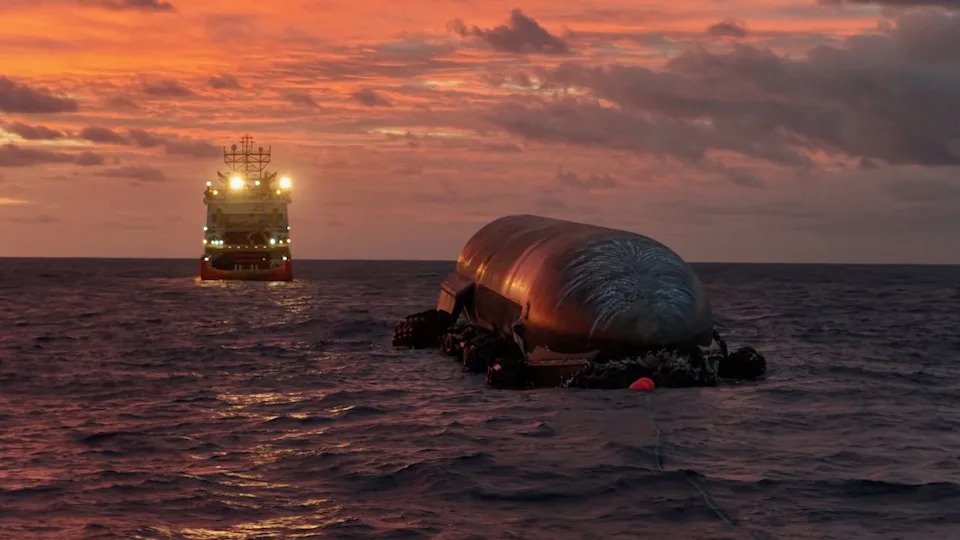
SpaceX works to get the upper stage from Starship's 13th test flight to shore from its Indian Ocean splashdown site. This is a screenshot from a video that the company posted on X on Aug. 7. | Credit: SpaceX
Flight 13 launched from SpaceX's Starbase in South Texas on July 24 as a suborbital test. The Super Heavy booster fell back into the Gulf of Mexico while Ship descended and splashed down in the Indian Ocean. During the mission the upper stage also deployed 20 operational Starlink V3 satellites — a milestone for the larger, next-generation Starlink hardware — but those satellites quickly reentered and were lost the same day.
Starship is designed as a two-stage, fully and rapidly reusable system: the Super Heavy booster and the Ship upper stage. When stacked, the rocket reaches roughly 124 meters (408 feet) tall. Rapid reuse depends heavily on a robust heat shield, and during SpaceX's Aug. 4 quarterly earnings call Musk said heat-shield development may be effectively solved based on recent test results and imagery.
Why This Matters
Recovering Ship would have allowed engineers to inspect critical hardware up close and accelerate improvements for future reusable flights. Even if the stage is lost, the close-up photos of the heat shield and engines that SpaceX obtained could inform upgrades. The flight also showcased Starship's potential role as a heavy-lift workhorse for deploying large numbers of Starlink V3 satellites — part of SpaceX's long-term vision for a multi-hundred-thousand-satellite broadband constellation.
What’s next: SpaceX will continue assessing the imagery and video captured from Ship and feed lessons learned into subsequent test flights. The company also faces the immediate decision of whether to persist in recovery efforts in increasingly adverse sea conditions or cut losses to protect crew and support vessels.
Help us improve.





















