
Former President Donald Trump said Dr. Anthony Fauci "maybe should" be prosecuted after Senator Rand Paul urged the Department of Justice to act following a tense congressional hearing. Fauci, who headed NIAID for 38 years, was held in contempt by an 8-7 Senate committee vote after invoking his Fifth Amendment right repeatedly during a roughly three-hour session. For prosecution to proceed, a D.C. U.S. attorney would need to seek a grand jury indictment; proponents argue the contempt vote warrants referral, while critics call it a partisan stunt and note constitutional and evidentiary hurdles.
Trump Says Fauci ‘Maybe Should’ Be Prosecuted — What Would Happen Next?
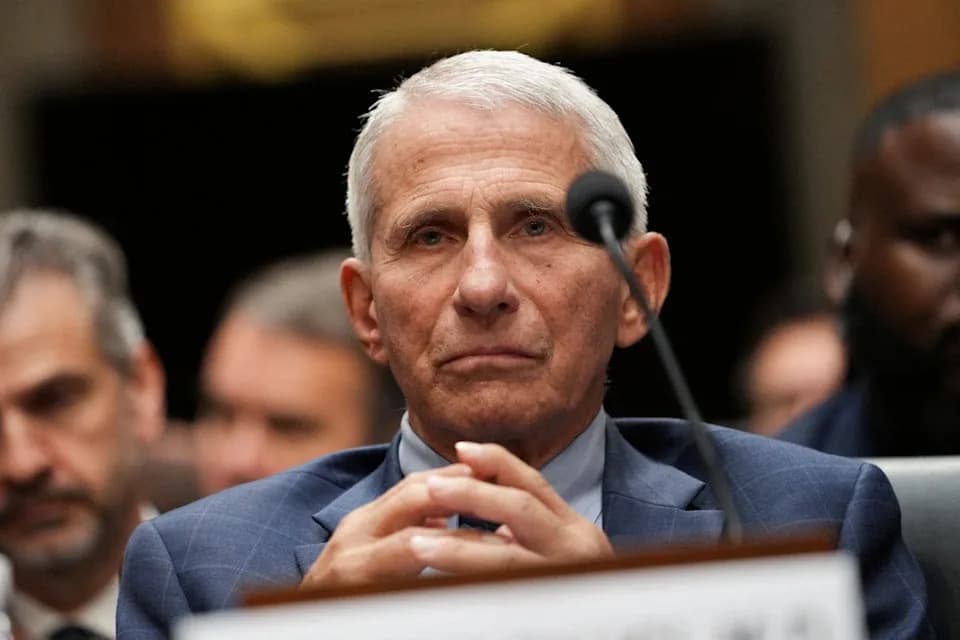
A Senate committee has voted to hold Dr Anthony Fauci in contempt of Congress after he invoked the Fifth Amendment during a hearing (Reuters)
Former President Donald Trump said Dr. Anthony Fauci "maybe should" be prosecuted, hours after Republican Senator Rand Paul told reporters he would ask the Department of Justice to pursue charges. The dispute follows a heated Senate committee hearing in which Fauci repeatedly invoked his Fifth Amendment right against self-incrimination.
What Happened In The Hearing
Fauci — who led the National Institute of Allergy and Infectious Diseases (NIAID) for 38 years and was a central adviser during the US response to COVID-19 — was subpoenaed by Senator Paul to testify about his handling of the pandemic. During the roughly three-hour session on 29 July, members of the Senate Homeland Security and Governmental Affairs Committee voted 8-7 along party lines to find Dr. Fauci in contempt of Congress after he declined to answer questions and invoked the Fifth Amendment more than 100 times.
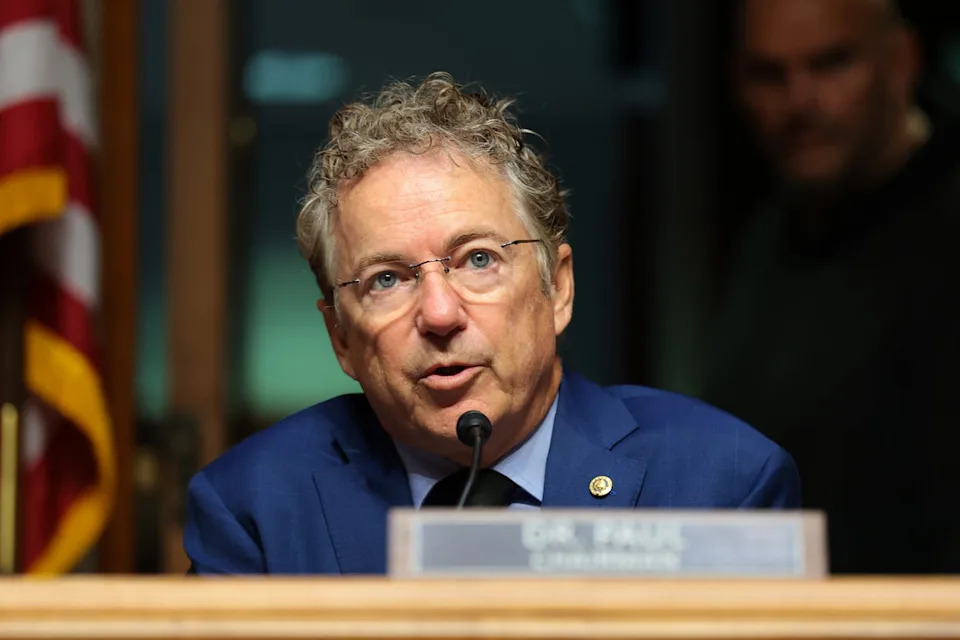
Senator Rand Paul, who chaired the committee, had publicly called for Fauci to be held in contempt (Getty)
What A Criminal Case Would Require
A criminal prosecution would require a U.S. attorney to seek a grand jury indictment. The article names Jeanine Pirro as the U.S. attorney for the District of Columbia who would, in practice, need to decide whether to present the matter to a grand jury; any prosecution would then proceed through the federal justice system if an indictment were returned.
Legal and political hurdles: Prosecutors must determine whether there is sufficient admissible evidence to prove a crime beyond a reasonable doubt. A committee contempt finding does not itself equate to criminal charges, and routine practice is for committee resolutions to be transmitted to the full Senate before further action.
Arguments From Both Sides
Supporters of the contempt resolution say it is an enforcement step when a witness refuses to answer a lawful subpoena. Republicans have said they want the matter referred directly to the Justice Department rather than waiting for the full Senate to consider it after the August recess.
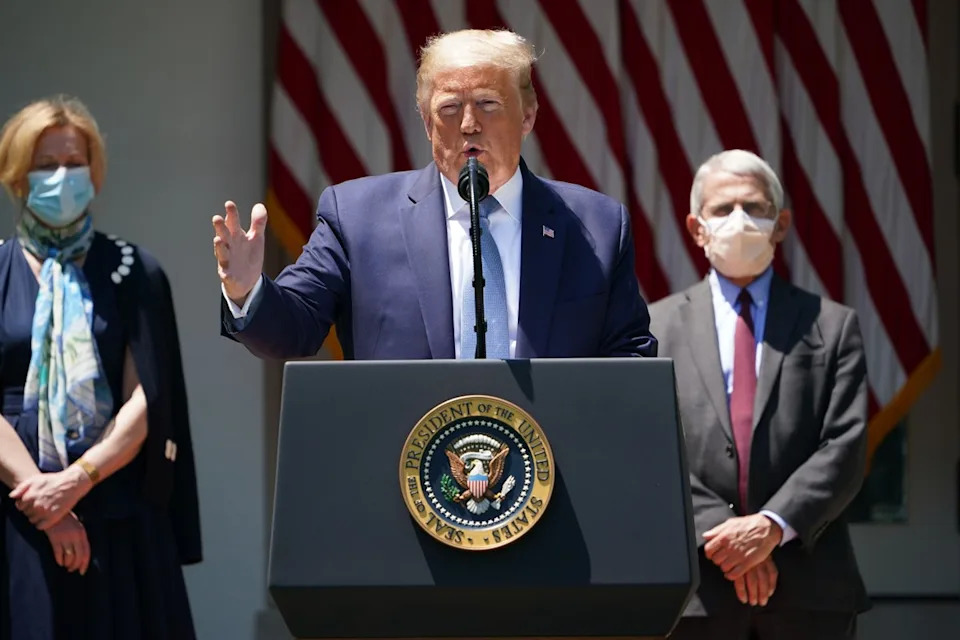
Fauci (right) was a key figure in the White House's response to Covid-19 (AFP/Getty)
Fauci and his lawyers have called the contempt resolution a partisan move intended to punish him for exercising constitutional rights. His attorney described Senator Paul’s effort as a personal "vendetta" and said invoking the Fifth Amendment was legal advice to avoid creating new legal exposure.
Other Relevant Details
Republicans have raised a range of allegations they want to probe, including questions about alleged funding for gain-of-function research, record preservation, and discrepancies between Fauci’s public statements and his diary entries. More than a thousand pages of Fauci’s pandemic-era diary were released ahead of the hearing, and Senator Paul has said entries sometimes contradicted public statements.

Jeanine Pirro, the U.S. attorney for the District of Columbia, would need to obtain a grand jury indictment in order to move ahead with prosecuting Fauci (Getty)
The article also reports that President Biden issued Fauci a pardon covering acts up to the date of issuance in 2025. Republicans argue that a pardon would not shield Fauci from potential perjury charges tied to false statements made under oath after the pardon was issued; legal experts note that pardons typically apply to past federal offenses and that perjury or new crimes alleged after a pardon could present distinct legal questions.
What Comes Next
Key next steps include whether the committee forwards the contempt resolution to the full Senate, whether the matter is referred directly to the Department of Justice, and whether a D.C. U.S. attorney will present the case to a grand jury. Even if referred, prosecutors must independently weigh legal viability and evidence — and political dynamics are likely to shape how aggressively the matter proceeds.
Bottom line: A contempt vote and public calls for prosecution raise the prospect of legal scrutiny, but referral to prosecutors, independent grand-jury decisions, and constitutional protections mean criminal charges are not inevitable.
Help us improve.





















