
The UNICEF-coordinated nutrition survey found acute malnutrition among Gaza children at 0.2%–0.8%, levels comparable to or below pre-war figures. Israel’s U.N. ambassador said the data challenge claims of a famine, while UNICEF highlighted ongoing problems: stunting affects about one in eight children and poor diet quality is widespread in parts of the Strip. The IPC reported improvements since the October 2025 ceasefire but warned conditions could worsen later in 2026.
UNICEF-Led Survey Finds Low Acute Malnutrition In Gaza; Flags Chronic Nutrition Concerns
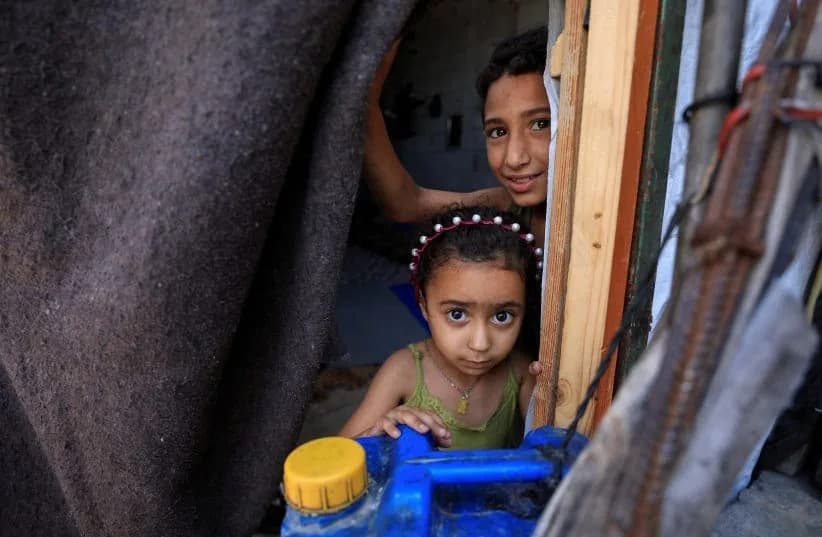
Displaced Palestinian children look out of their shelter in Gaza City, June 15, 2026 (photo credit: REUTERS/Dawoud Abu Alkas TPX IMAGES OF THE DAY)
A new nutrition survey coordinated by UNICEF reports that acute malnutrition among children in the Gaza Strip is low—between 0.2% and 0.8%—figures that are similar to or below pre-war levels. The findings have prompted debate about reports of a widespread famine in Gaza and highlighted longer-term nutritional challenges that remain.
Key Findings
The survey, carried out using internationally recognized World Health Organization (WHO) methodology, measured children's weight, height and mid-upper-arm circumference (MUAC) and assessed wasting using the Weight-for-Height Z-score (WHZ). Across sampled areas, acute malnutrition (wasting) ranged from 0.2% to 0.8%, well below commonly used emergency thresholds.
“Once again, facts prevail over fiction,” said Israel’s ambassador to the United Nations, Danny Danon, in response to the report. He argued the data weaken claims of a famine in Gaza and reiterated that Israel is combatting Hamas, which he accused of using civilians as human shields.
The Israeli Foreign Ministry also cited the survey on social media, saying malnutrition levels in Gaza are far below critical values and unusually low in regional comparison. The statement encouraged observers to review the empirical data directly.
Chronic Nutrition Concerns
Despite low levels of acute malnutrition, the survey identified important and concerning trends. Stunting—a measure of chronic undernutrition and a sign of longer-term deprivation—affects about one in eight children in the Gaza Strip. The study also found instances of overweight, underscoring a dual burden where poor diet quality coexists with both under- and overnutrition.
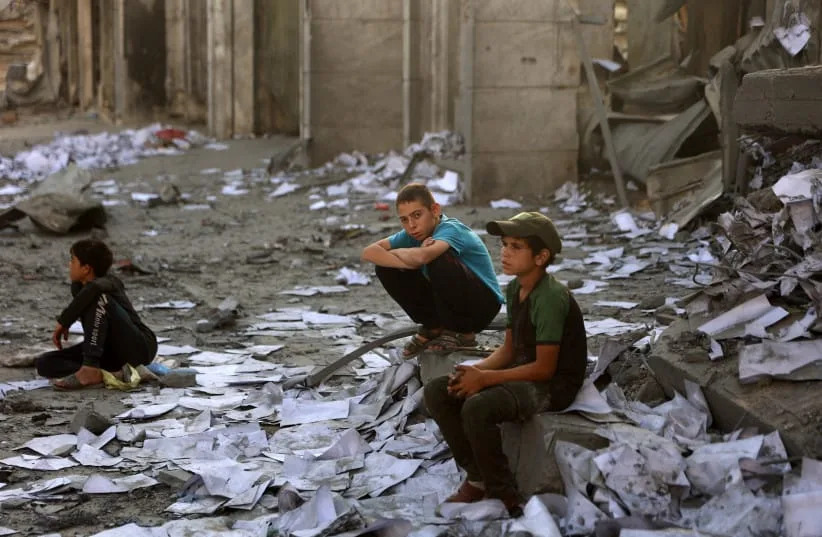
Palestinian boys sit amid the debris of destroyed buildings following an Israeli strike at the Al-Jalaa street in Gaza City on July 24, 2026. (credit: Omar AL-QATTAA / AFP via Getty Images)
Dietary patterns vary across the territory: in Khan Younis and Rafah, unhealthy food consumption reached as high as 78%, while surveys in Gaza City and northern Gaza indicated about 64% of households reported children do not regularly eat fruit or vegetables.
Context And Outlook
The Integrated Food Security Phase Classification (IPC) noted on July 23 that large-scale assistance since the October 2025 ceasefire has helped improve food security and nutrition conditions in Gaza, while cautioning that needs remain high. The IPC classified Gaza’s nutrition status at Phase One (fewer than 5% of children acutely malnourished) from mid-April but warned conditions could deteriorate to Phase Two (5.0–9.9%) between July and December 2026 if assistance and access are disrupted.
Photo caption: Palestinian boys amid rubble after an Israeli strike on Al-Jalaa Street in Gaza City on July 24, 2026 (Omar Al-Qattaa/AFP via Getty Images).
Implications: The survey refines the picture of child nutrition in Gaza: while immediate emergency-level wasting is low, persistent stunting and poor diet quality point to the need for sustained humanitarian assistance, improvements in dietary diversity, and careful monitoring to prevent deterioration.
Help us improve.





















